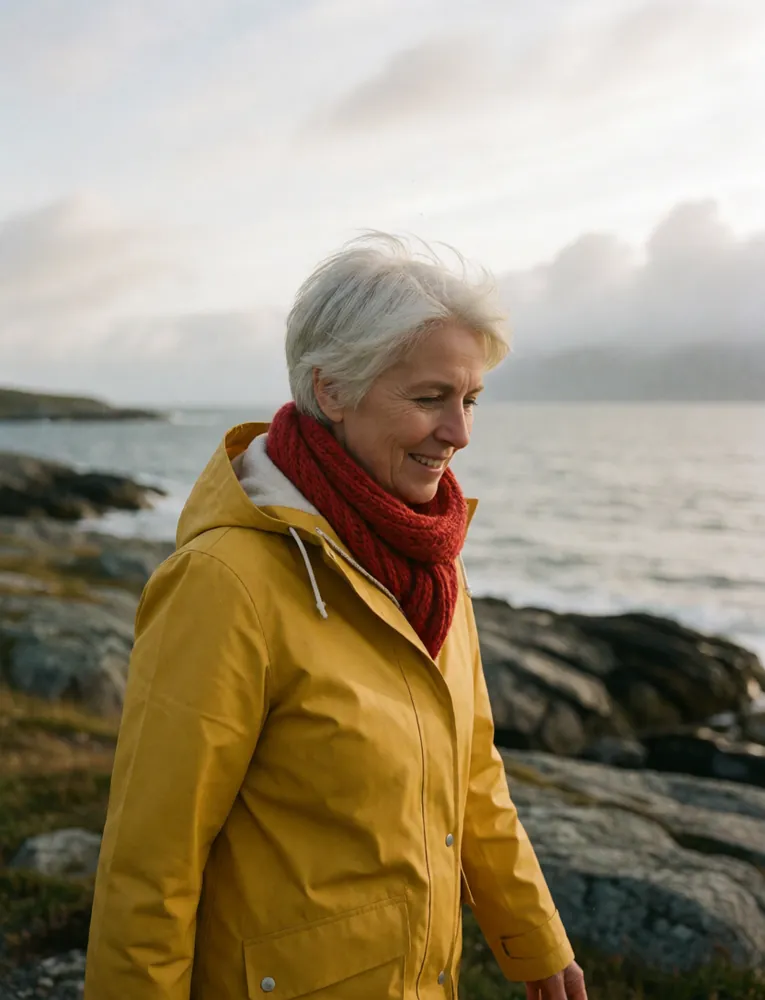
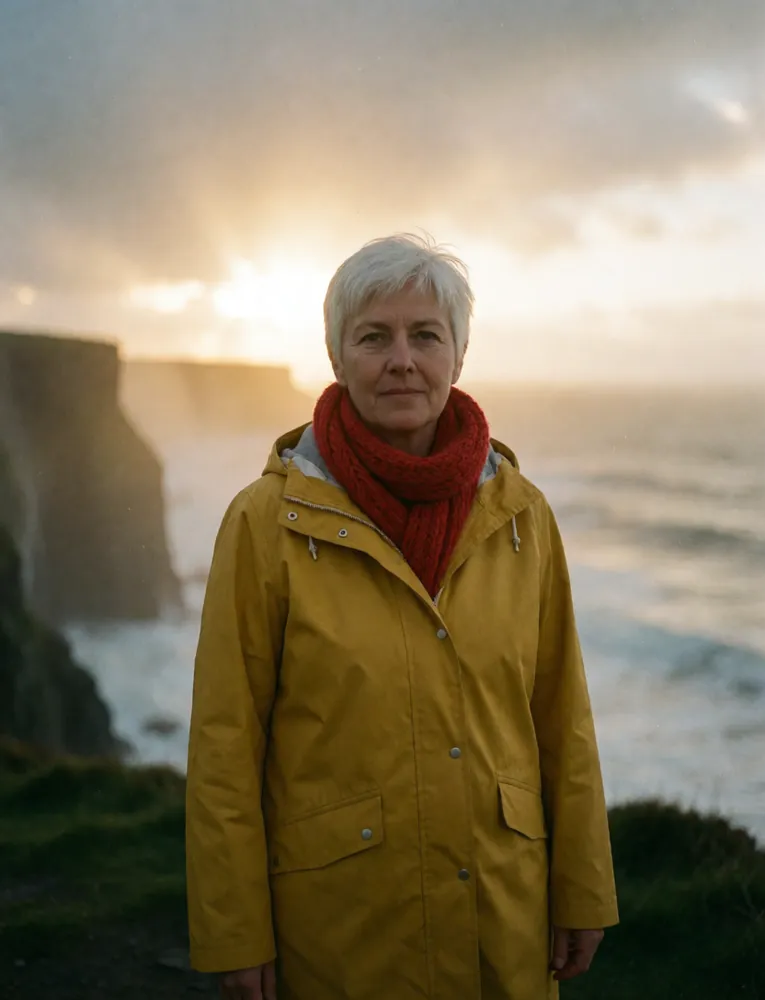
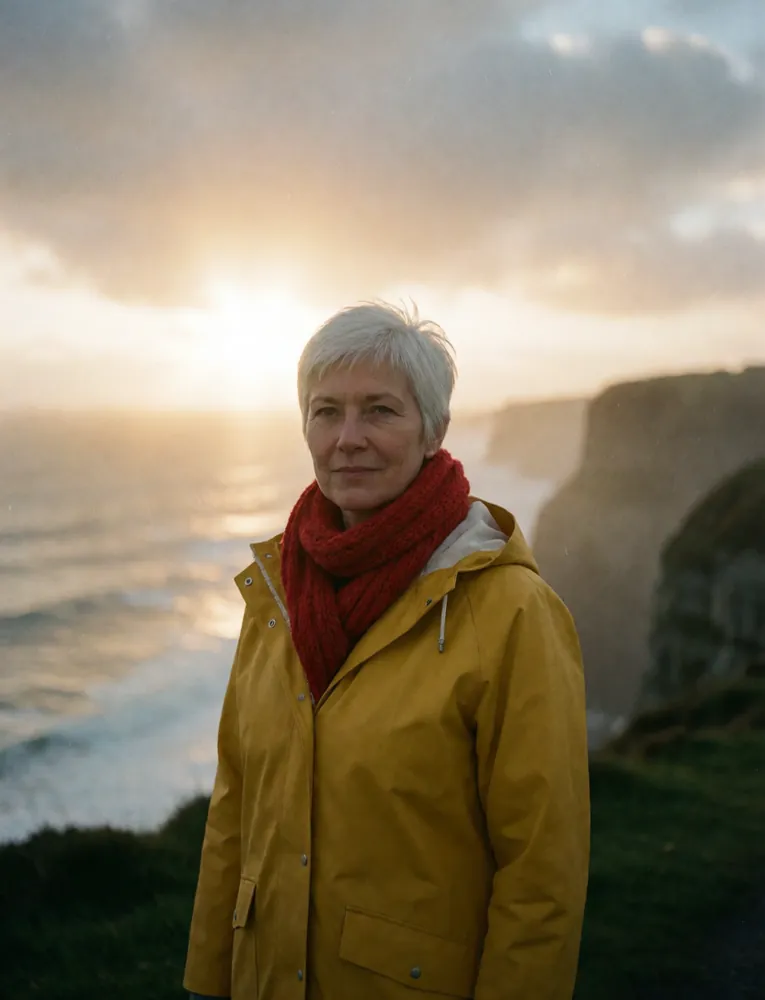
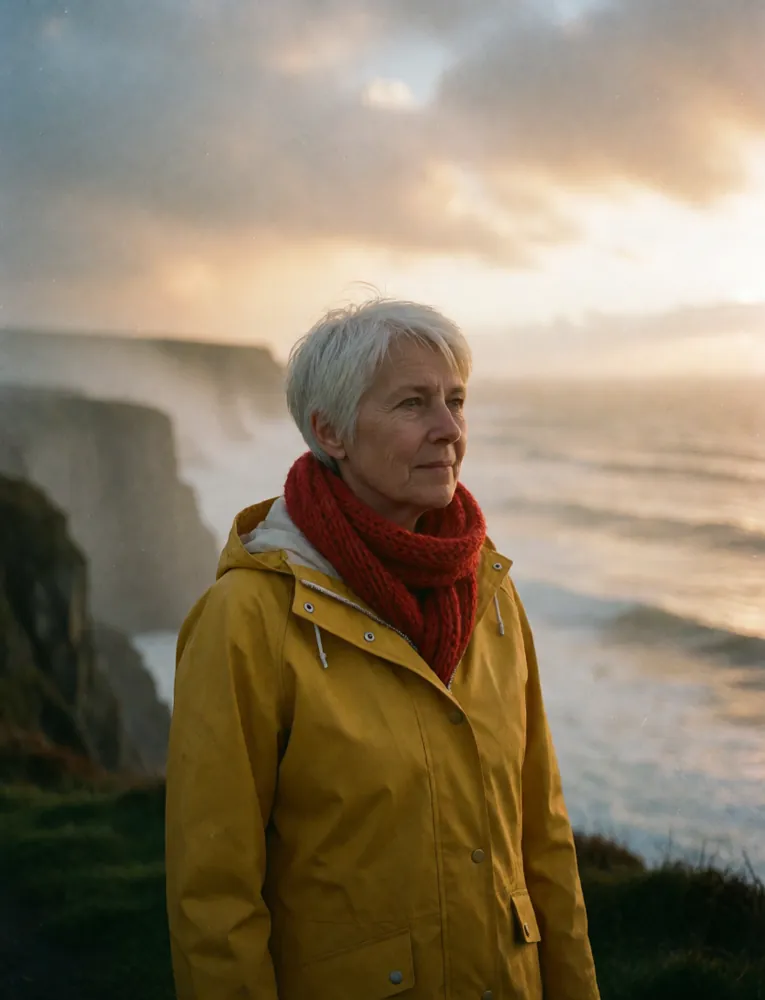
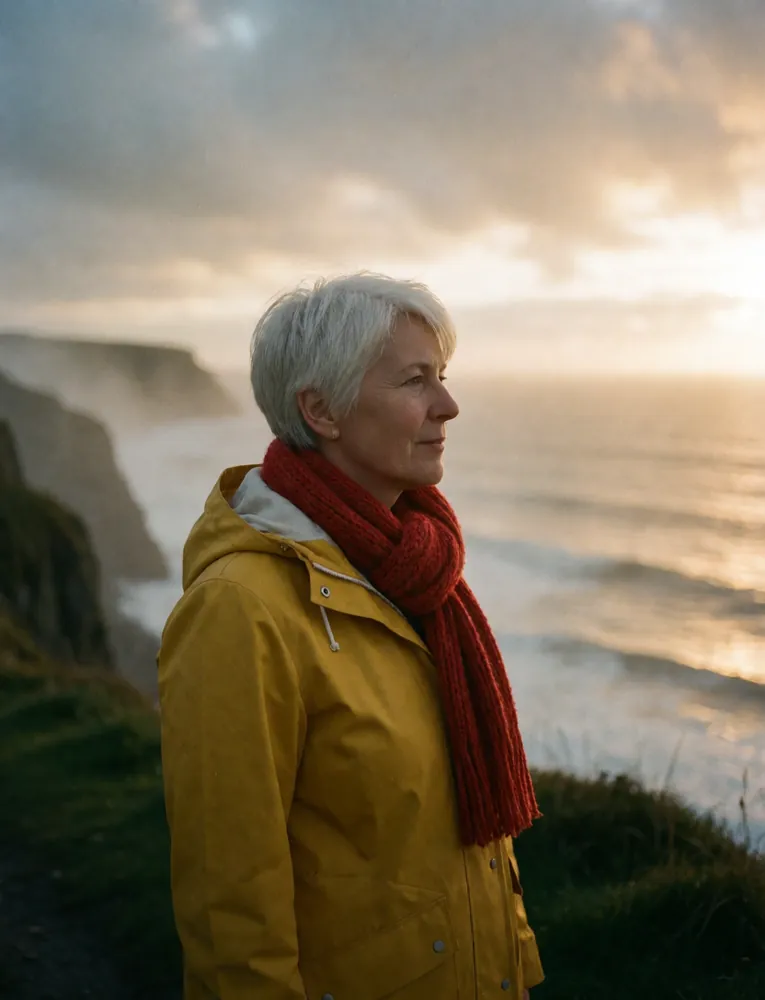
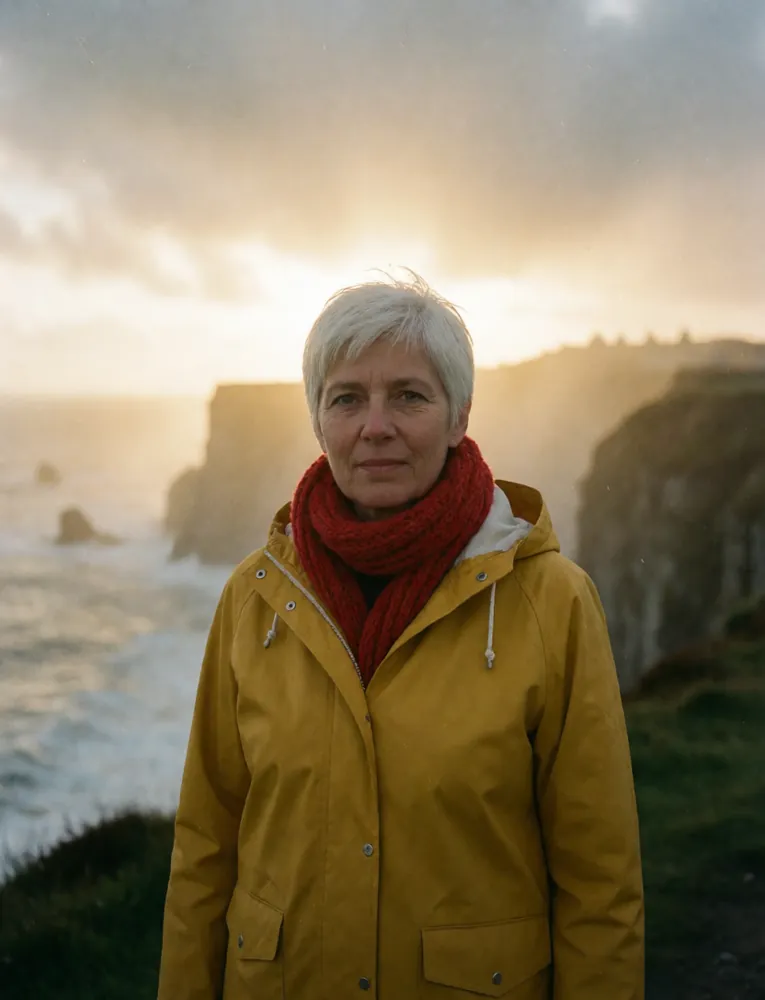
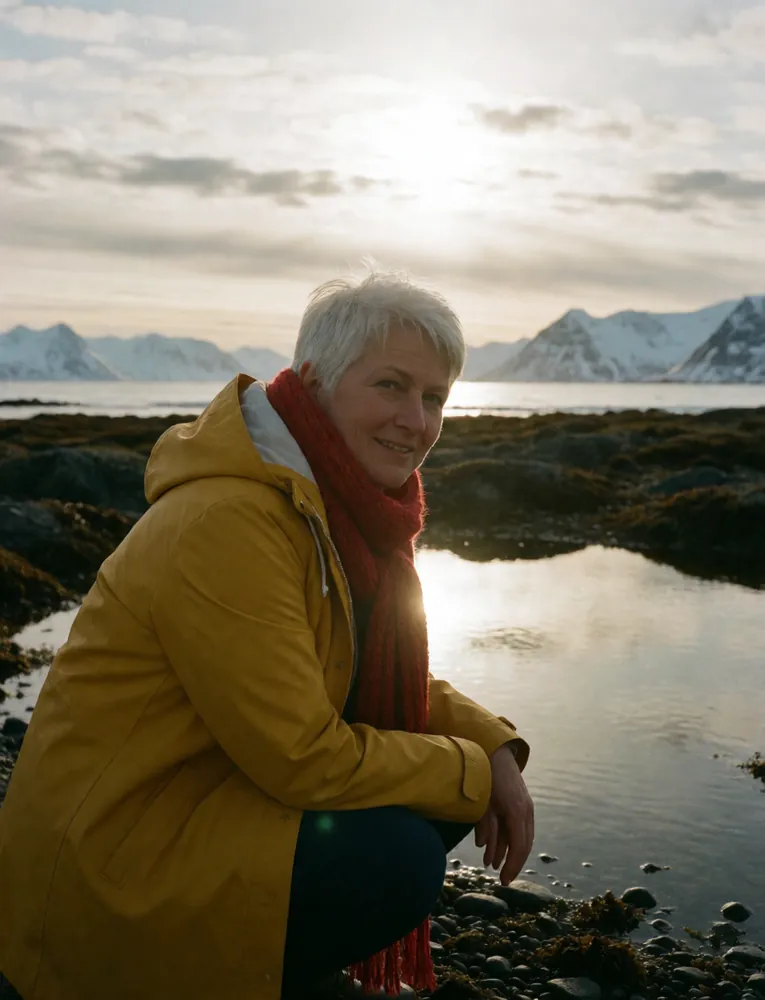
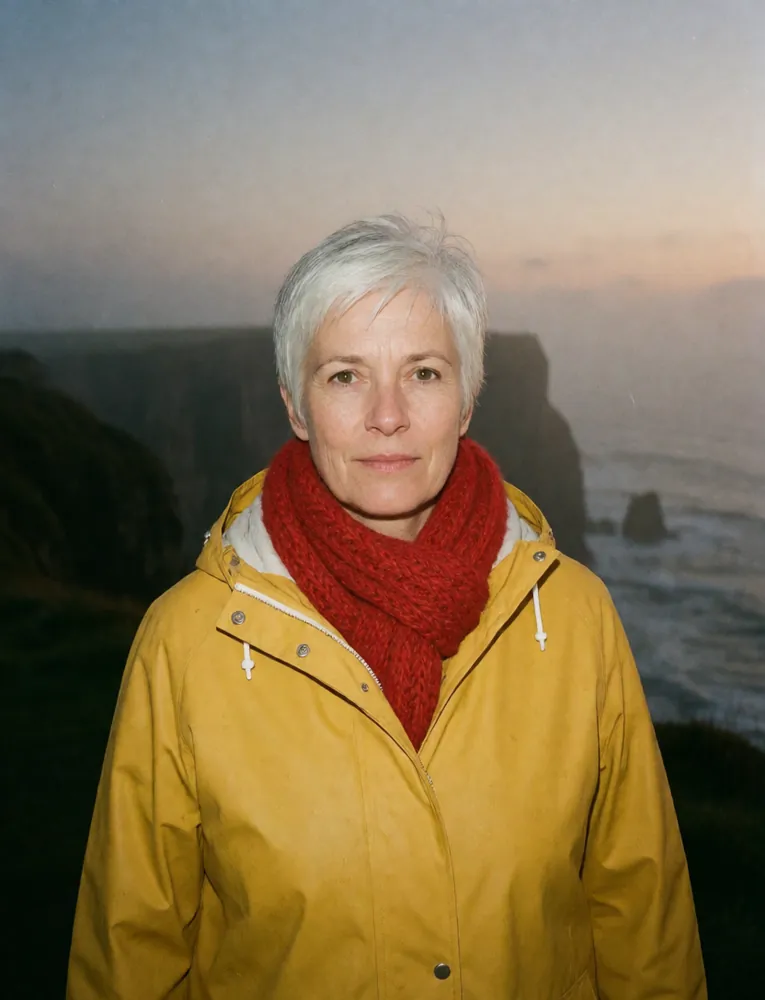
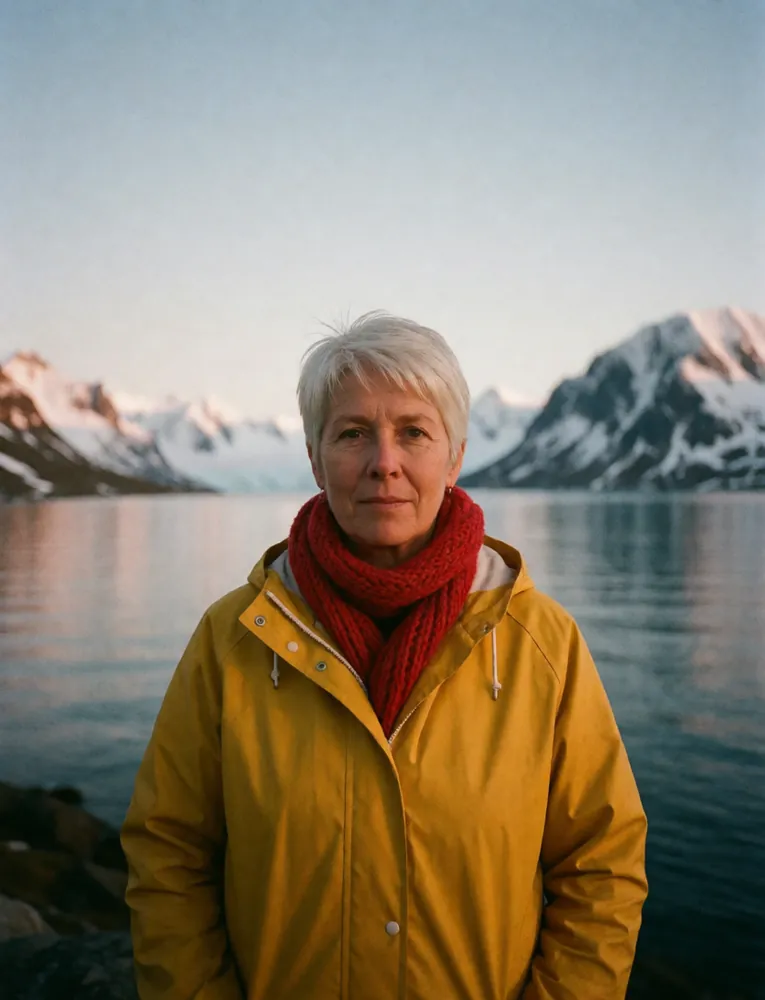
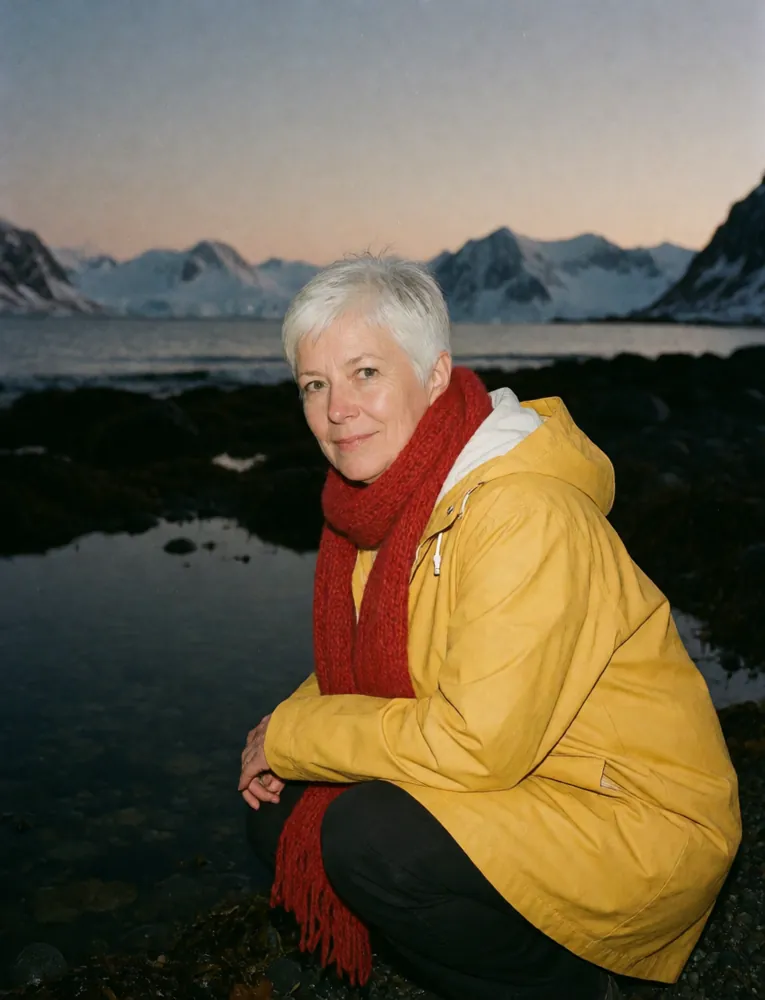
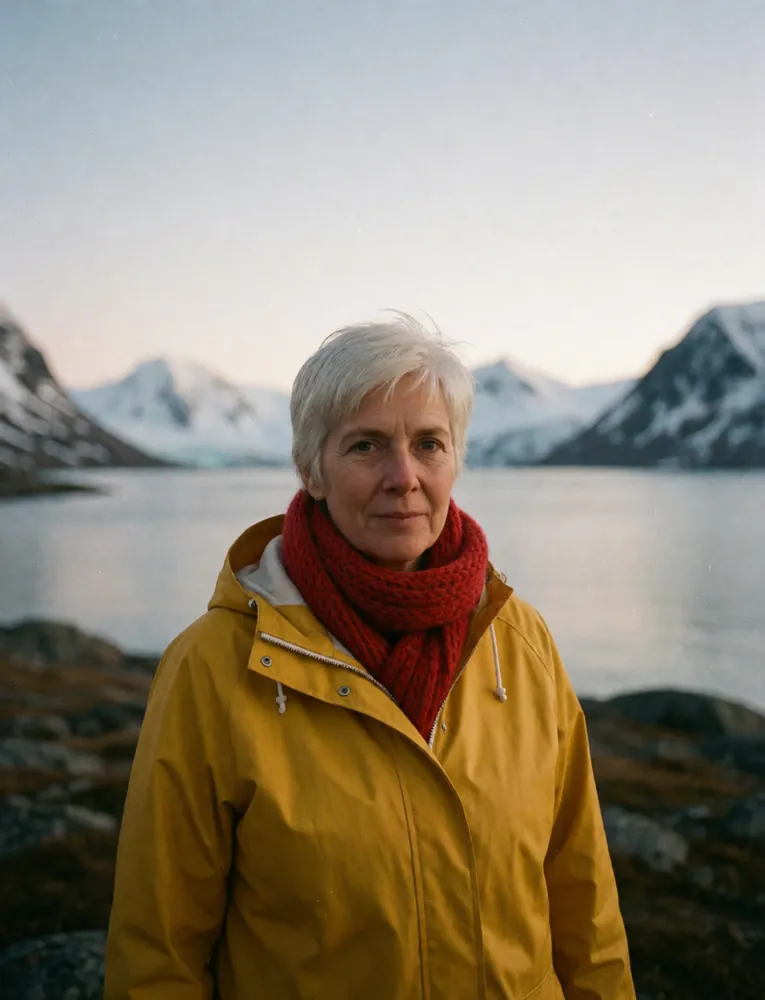
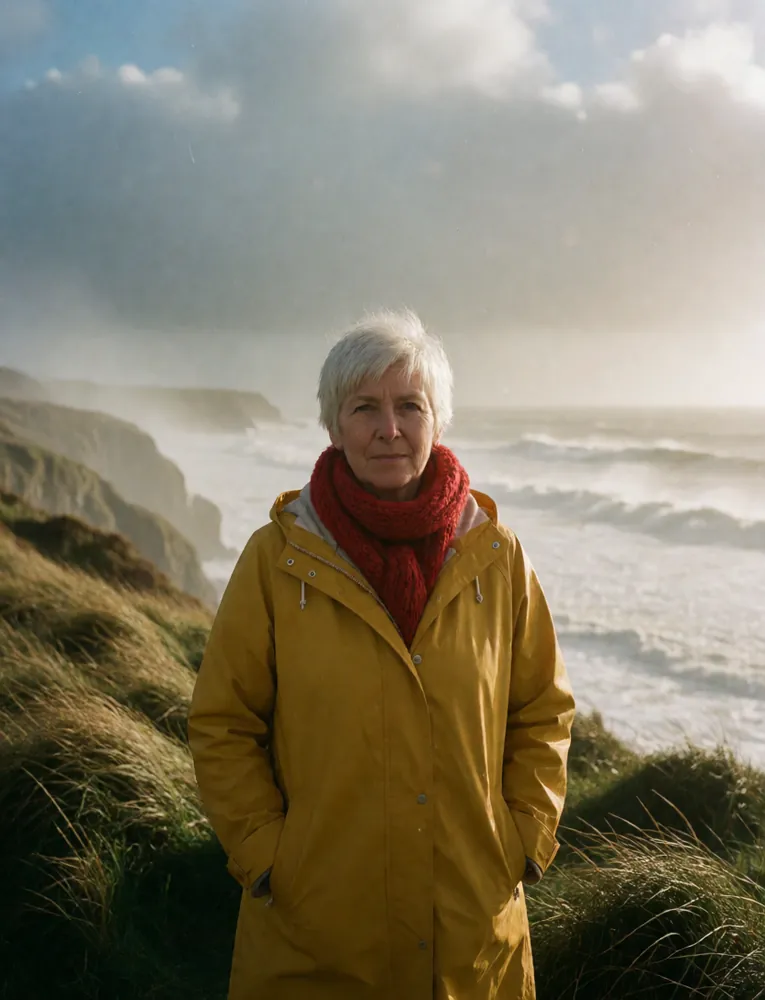
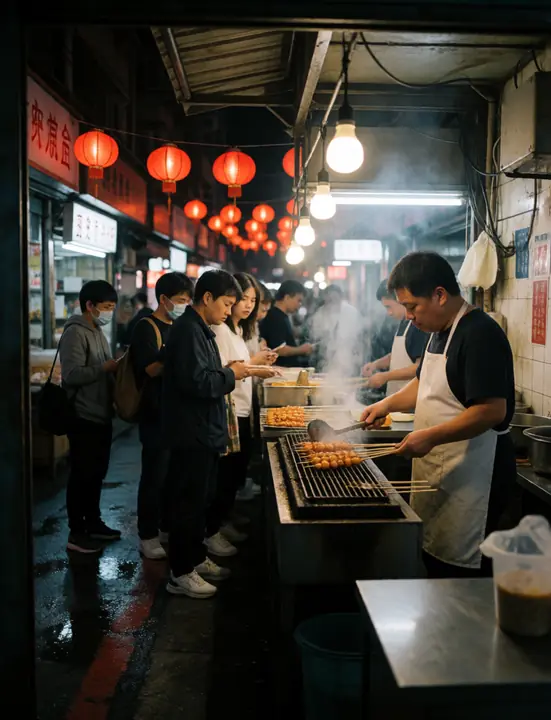
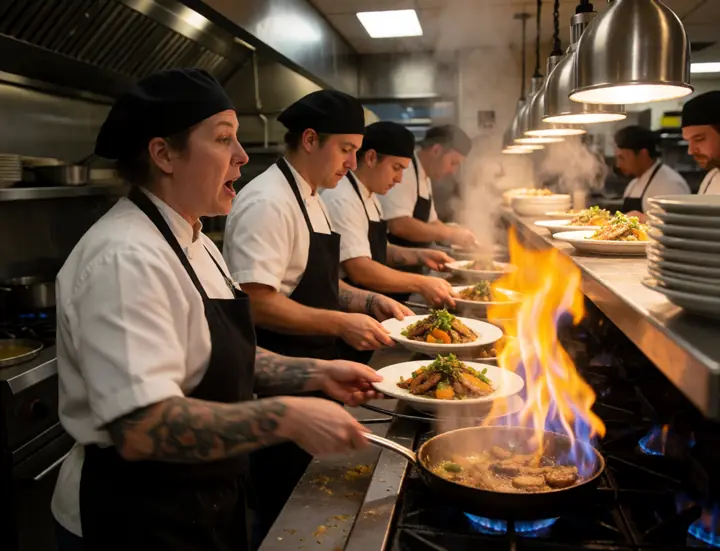
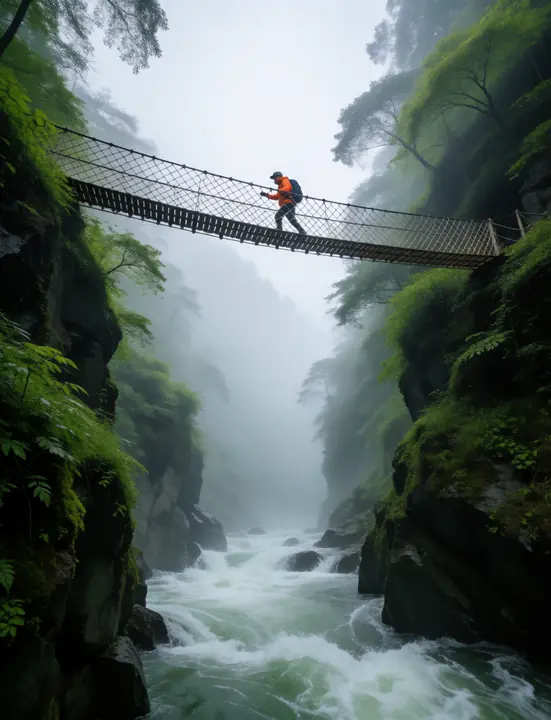
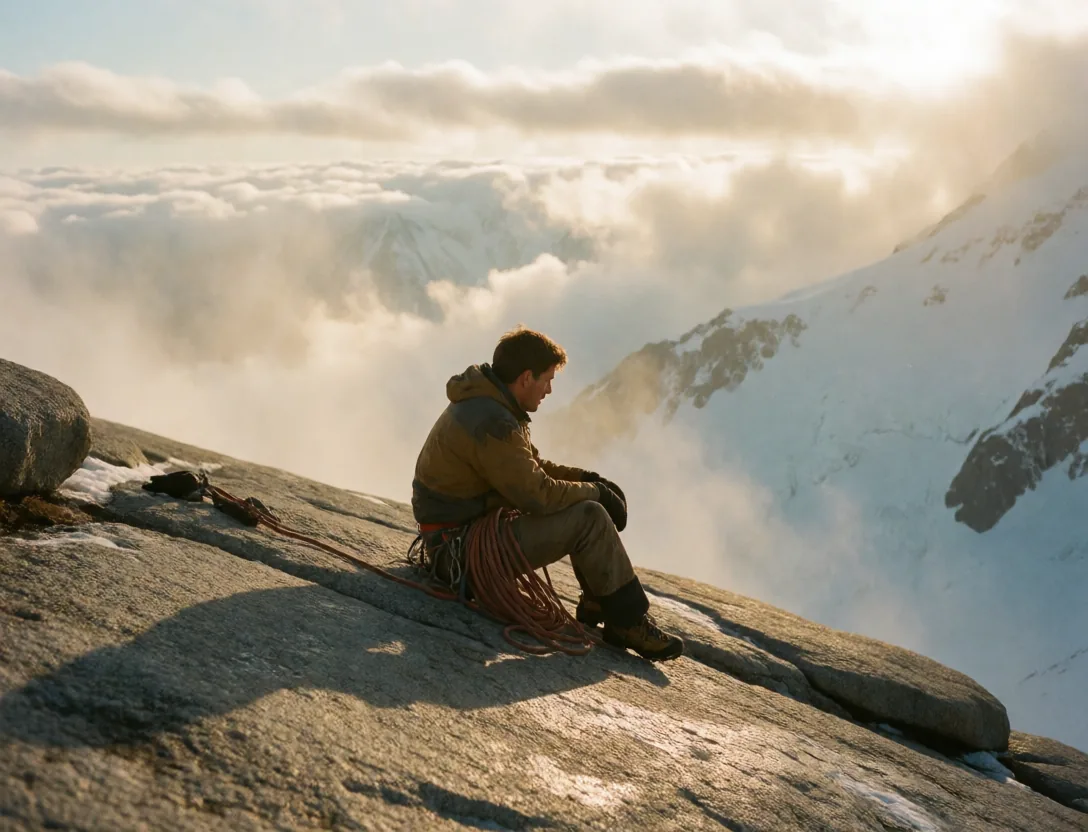
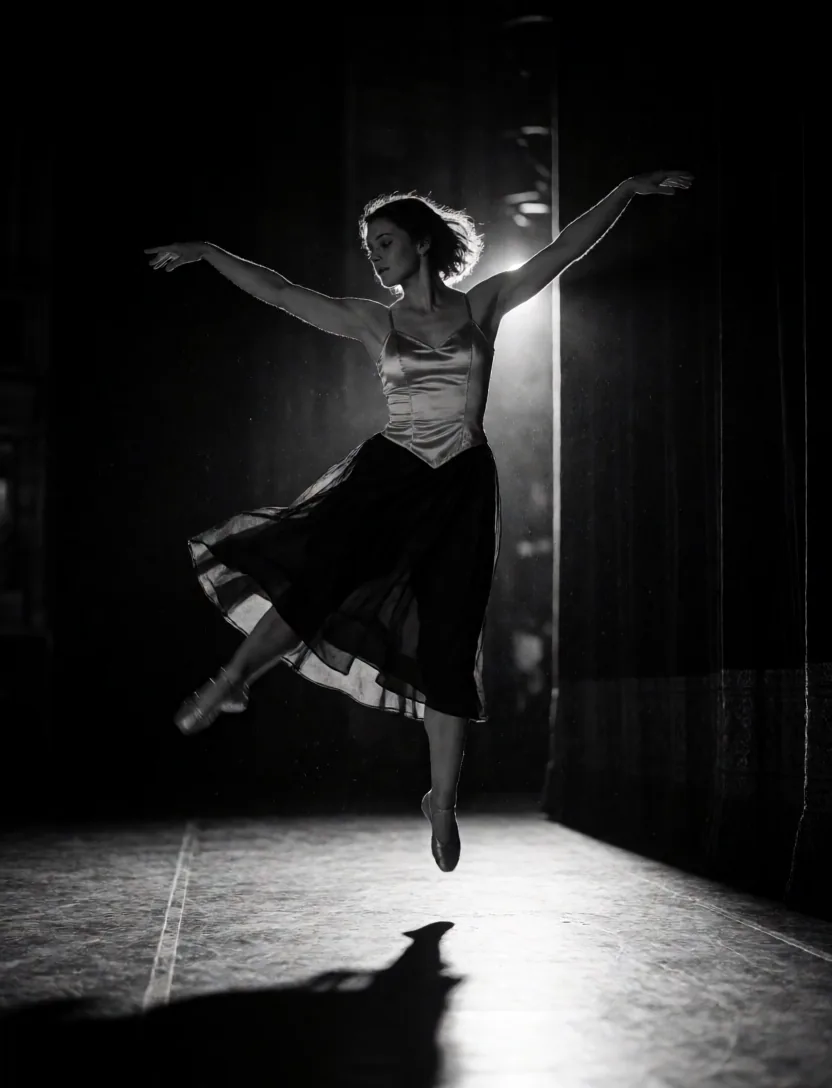
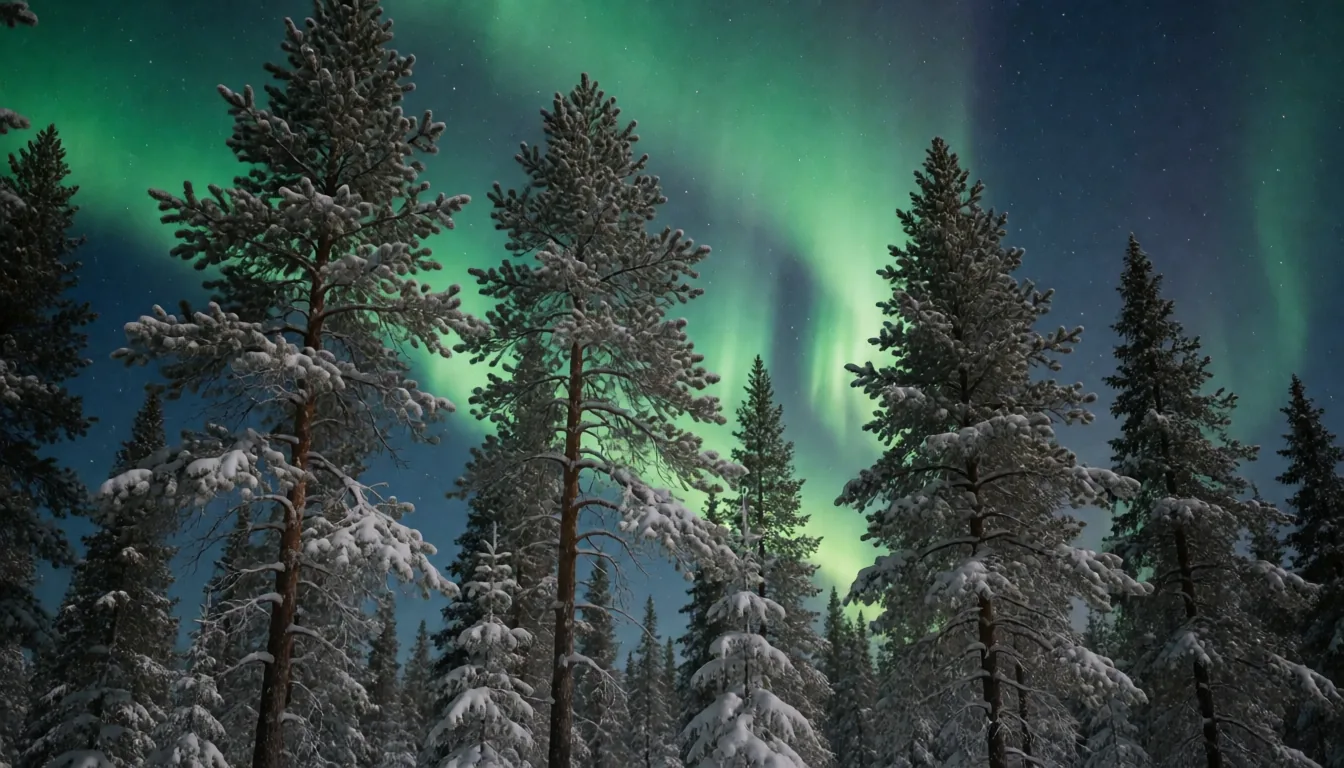
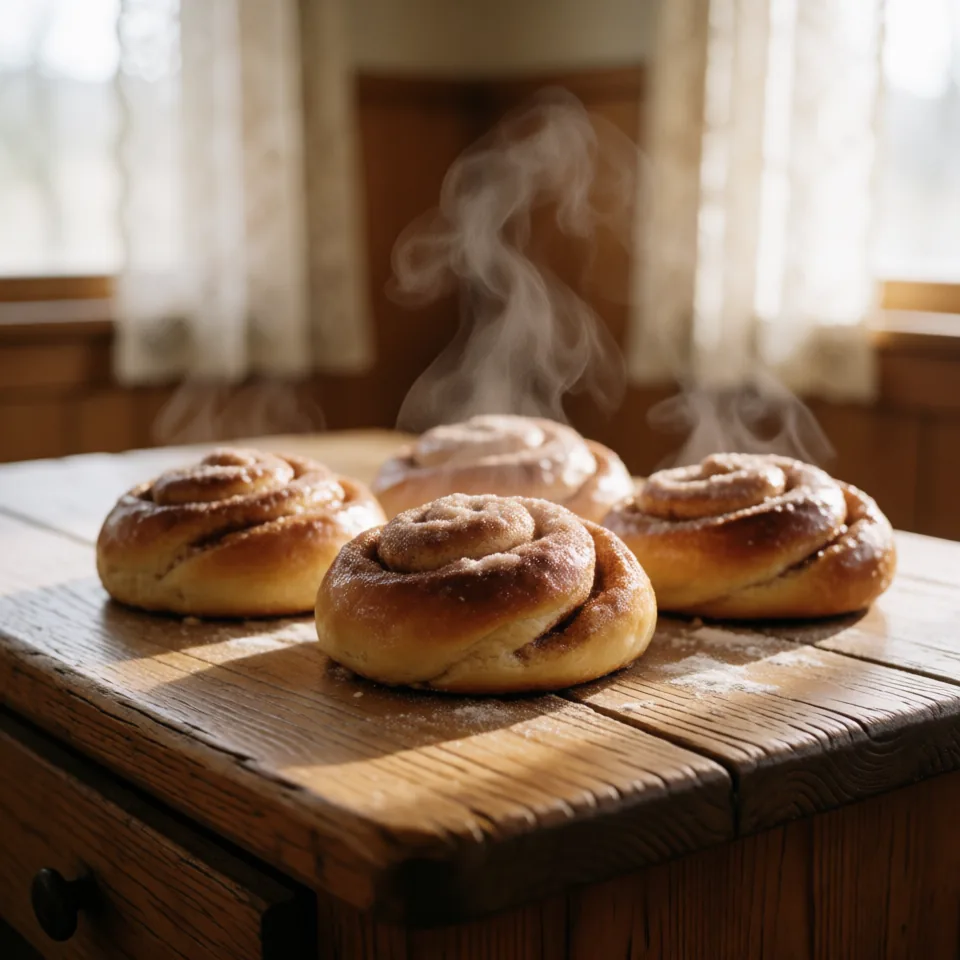
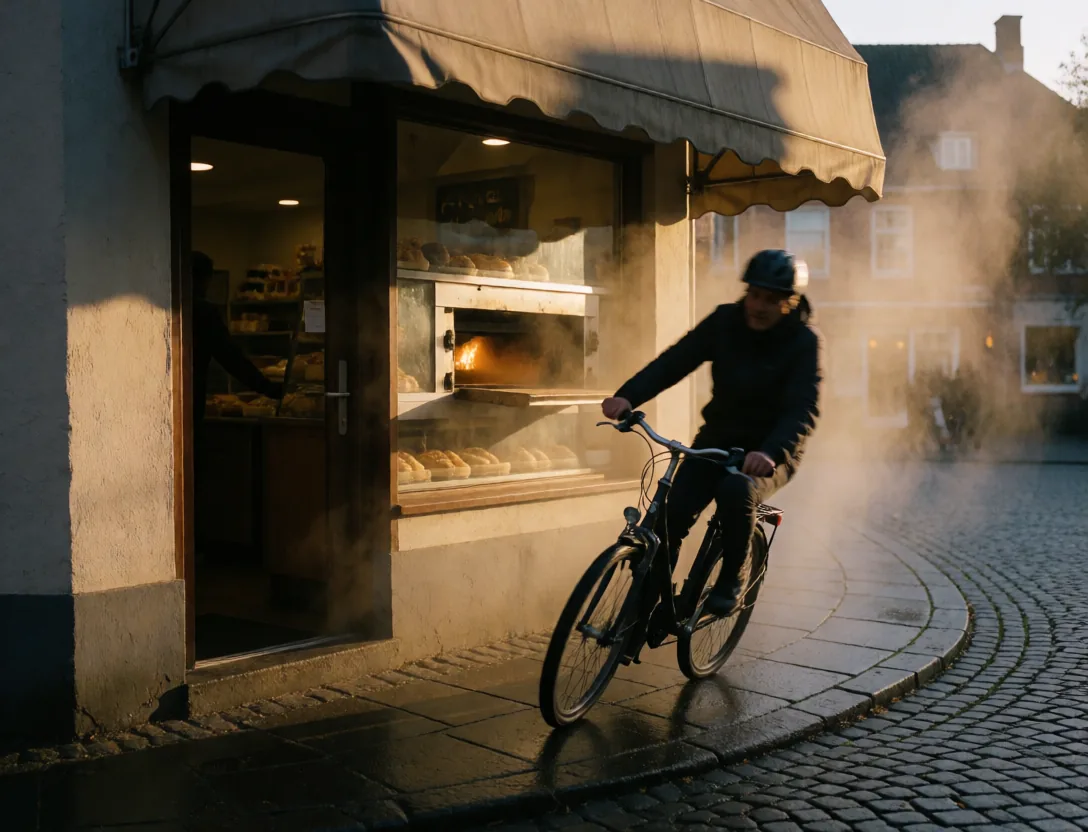
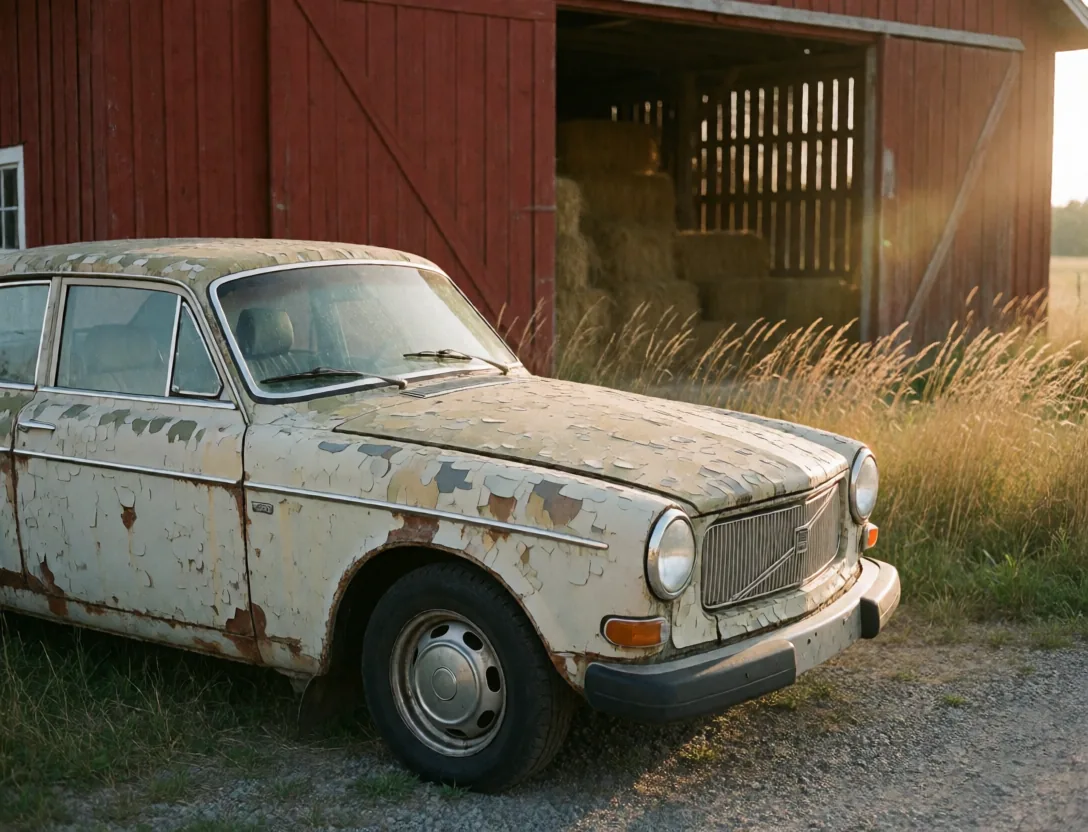
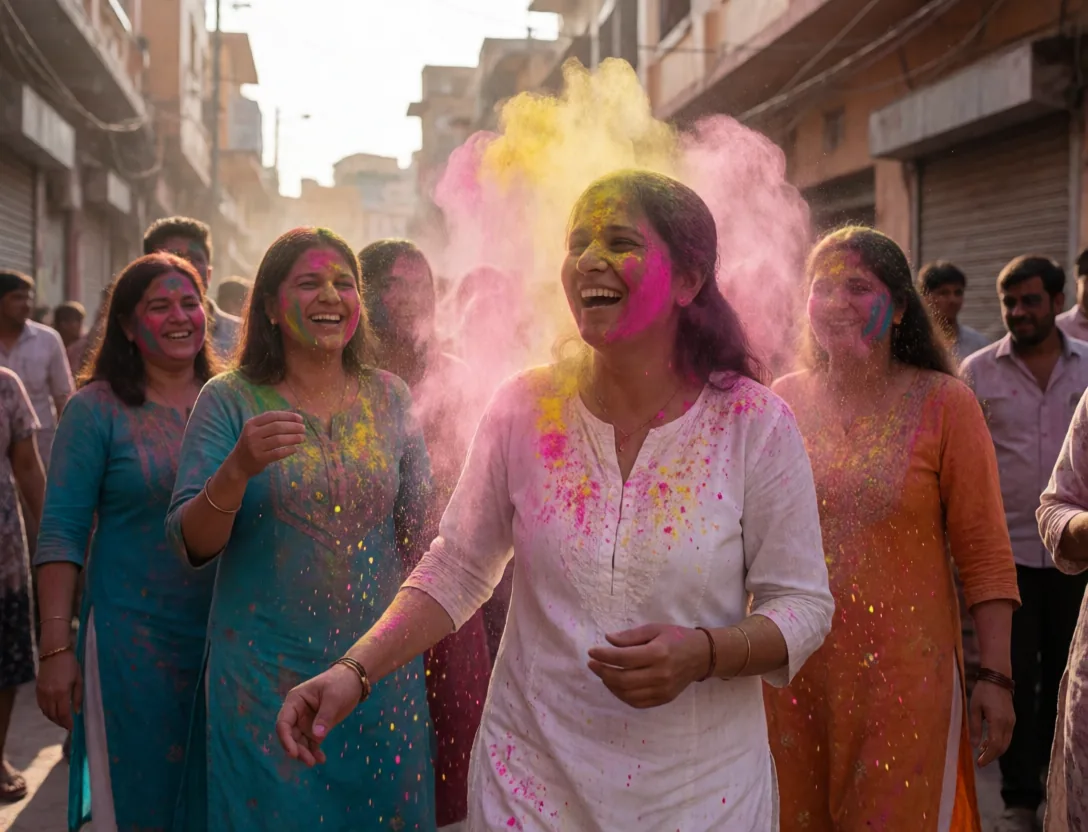
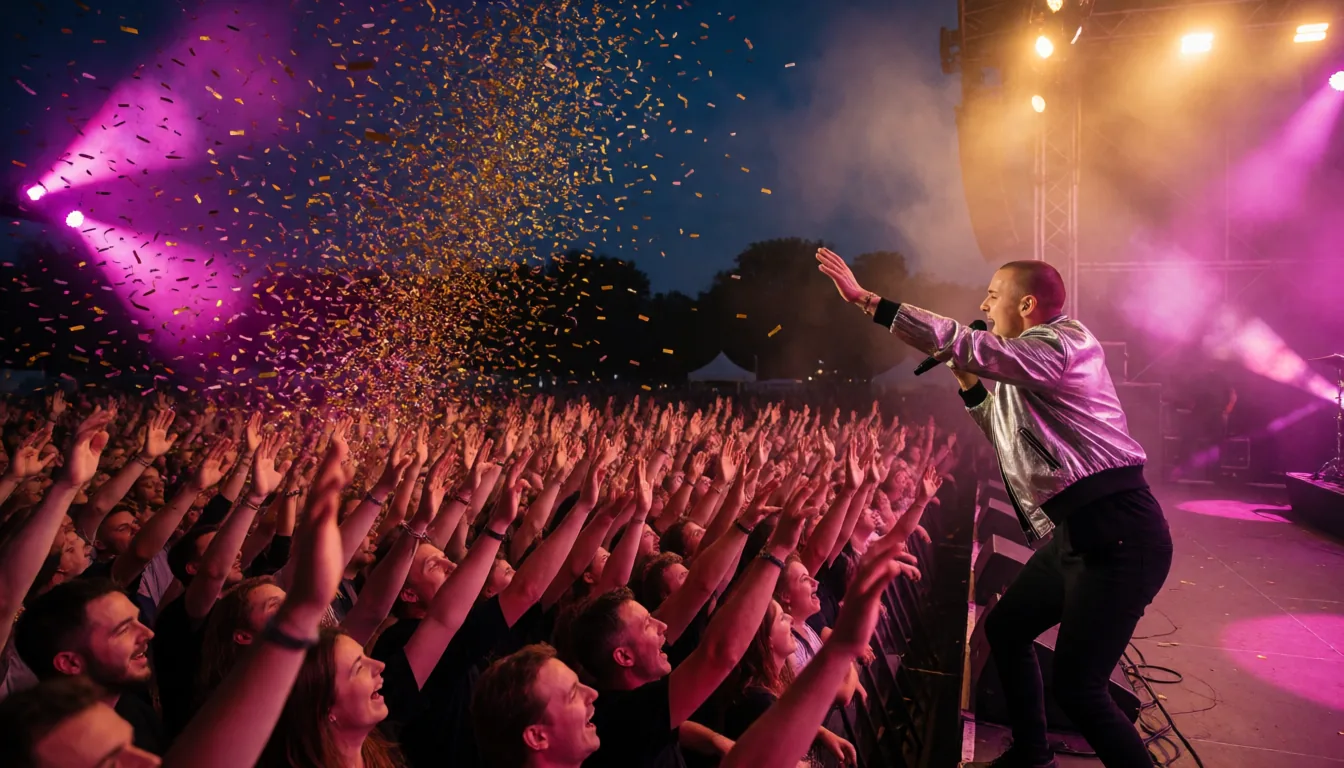
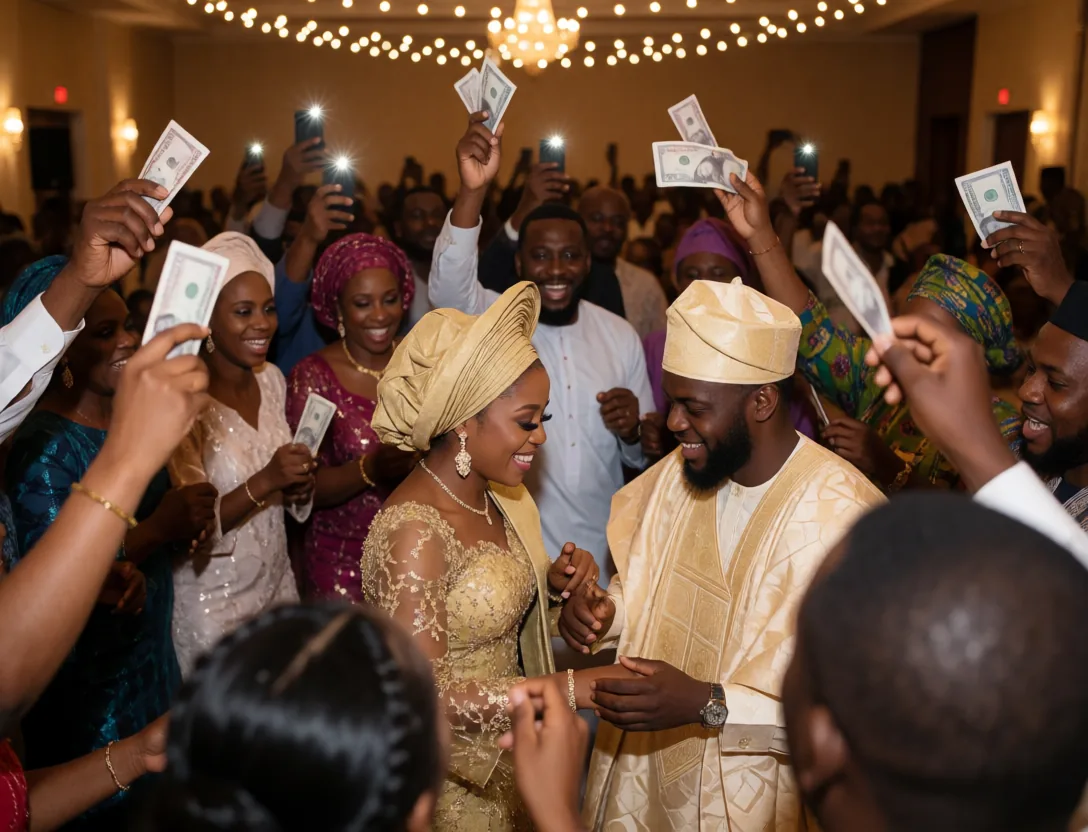
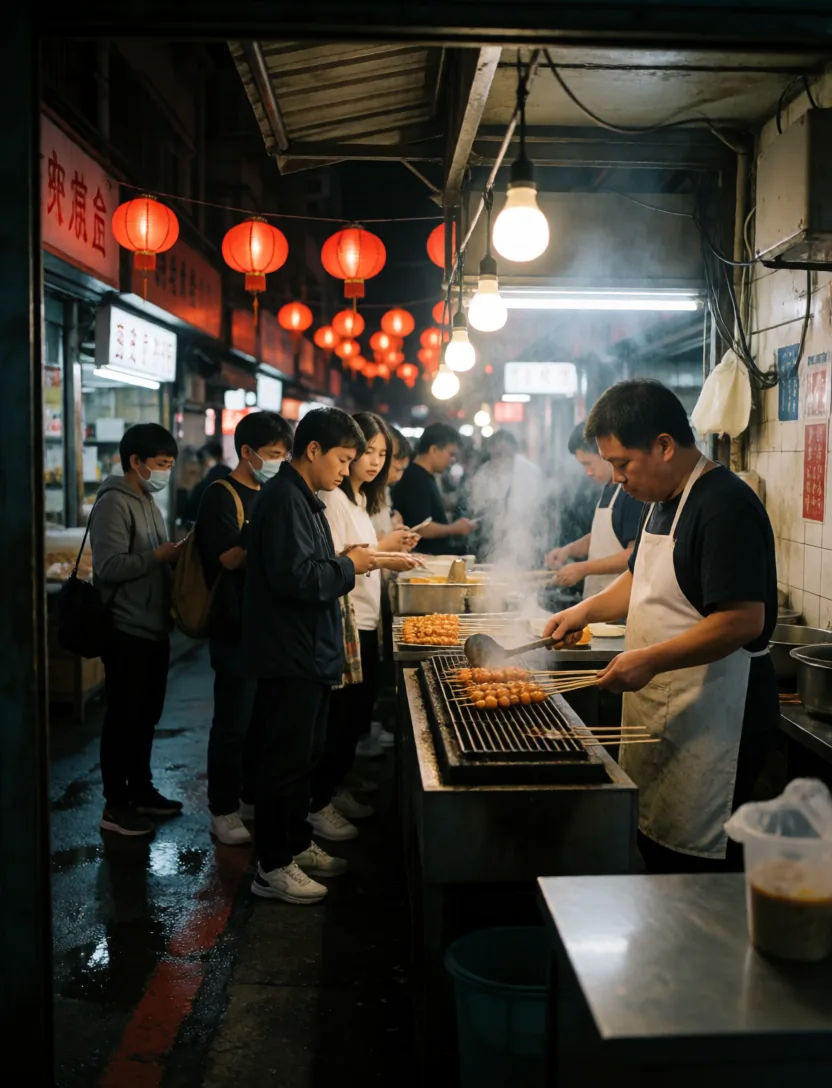
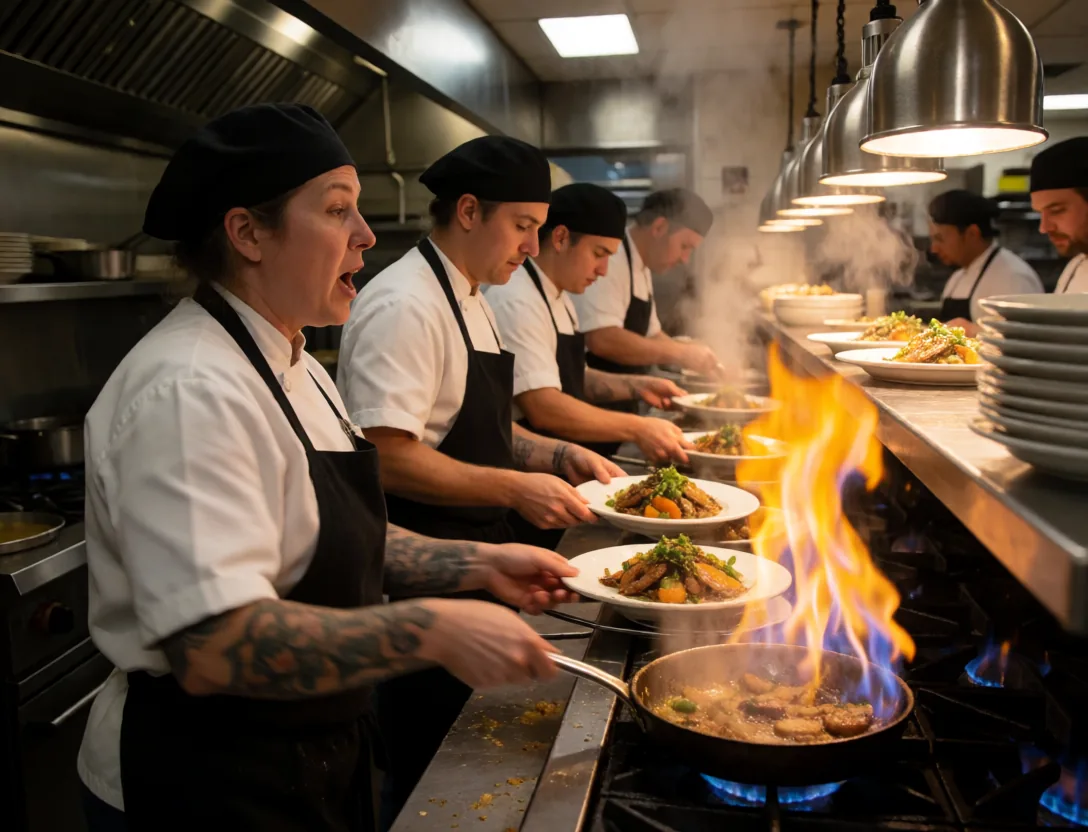
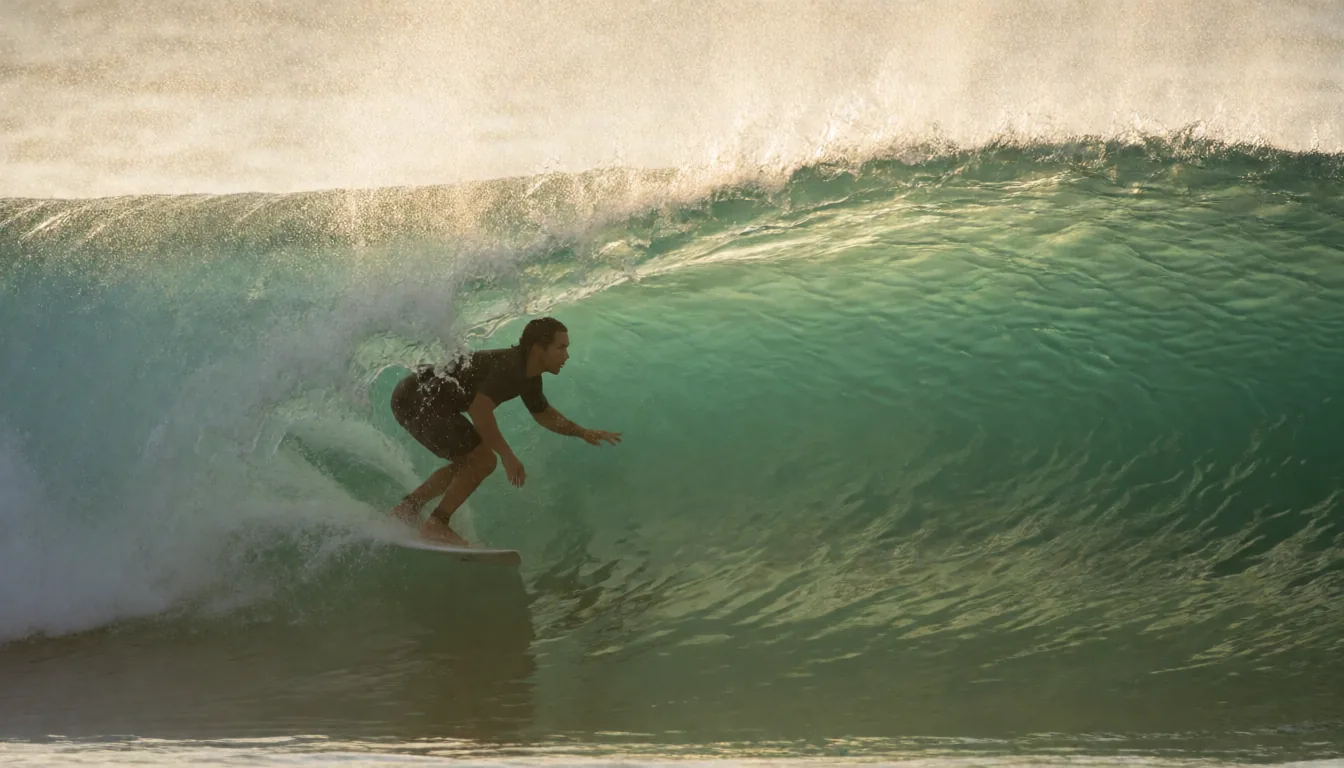
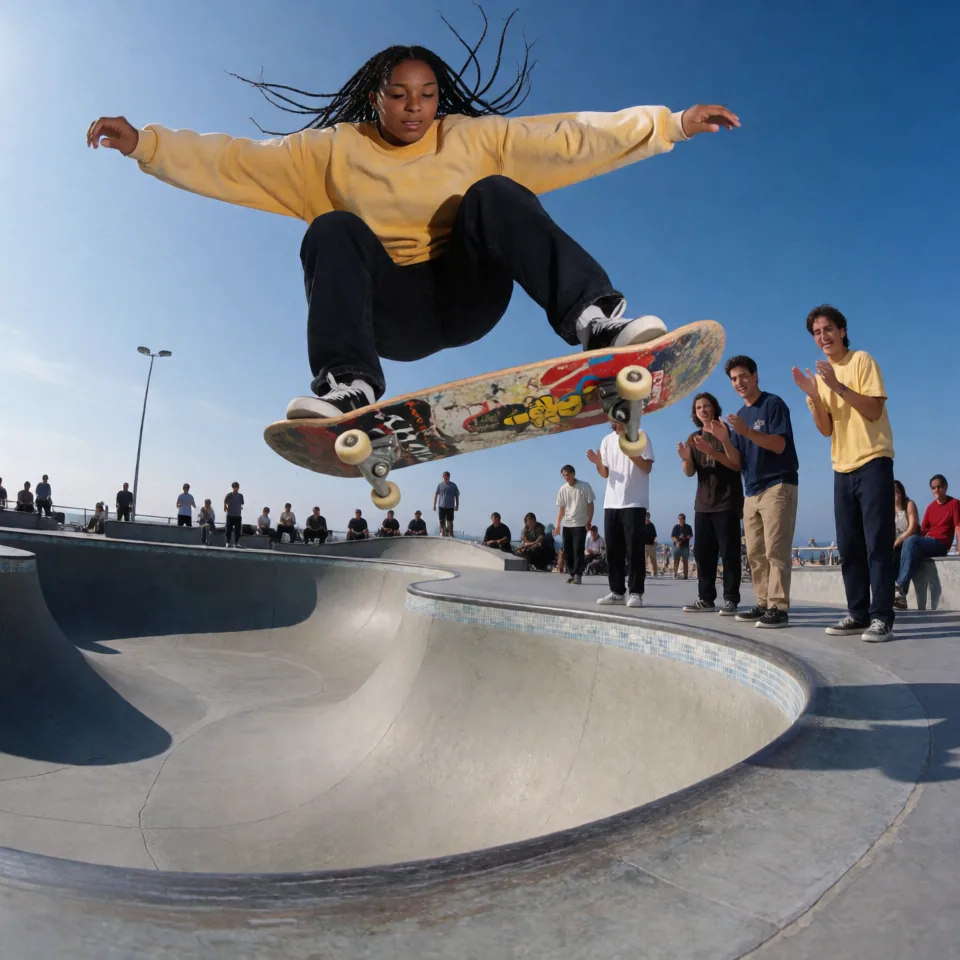
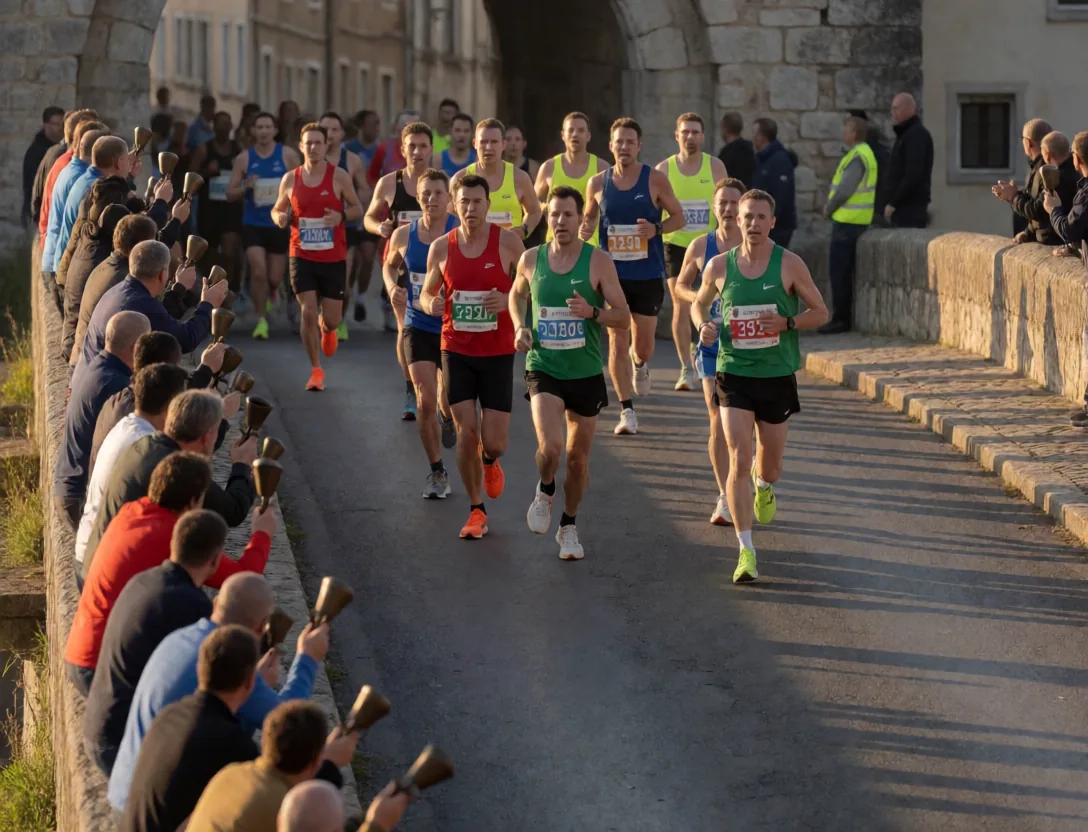
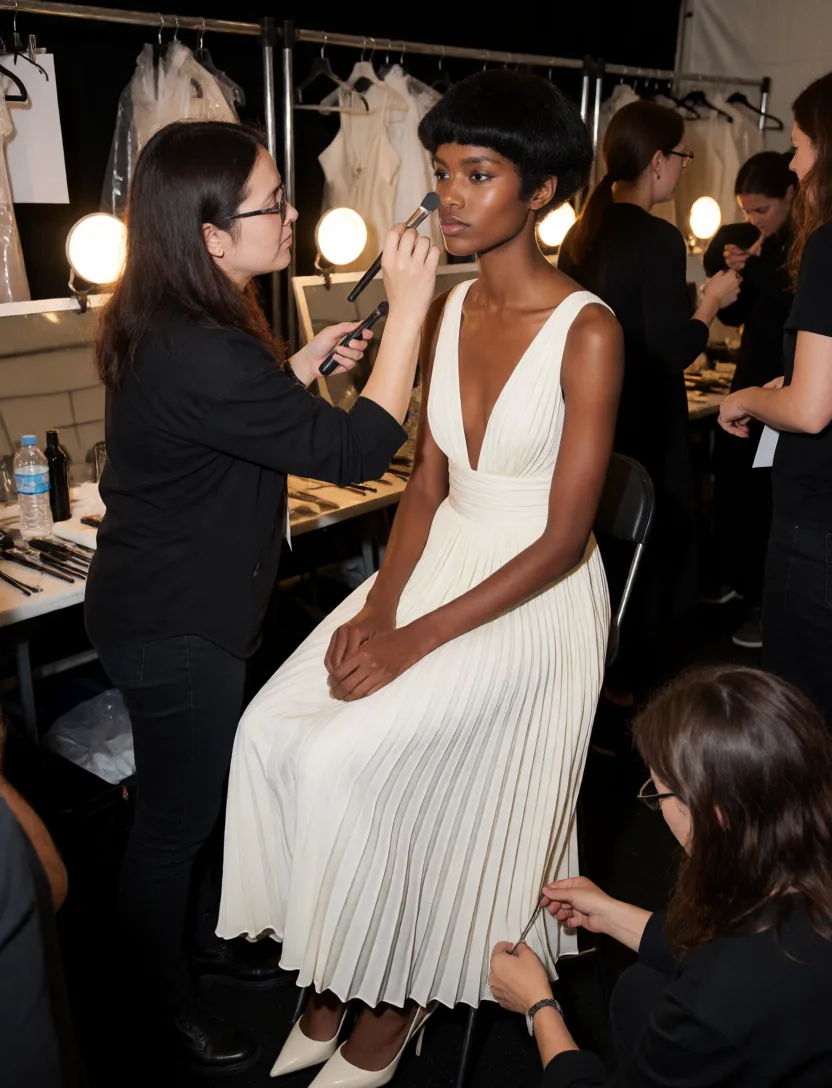
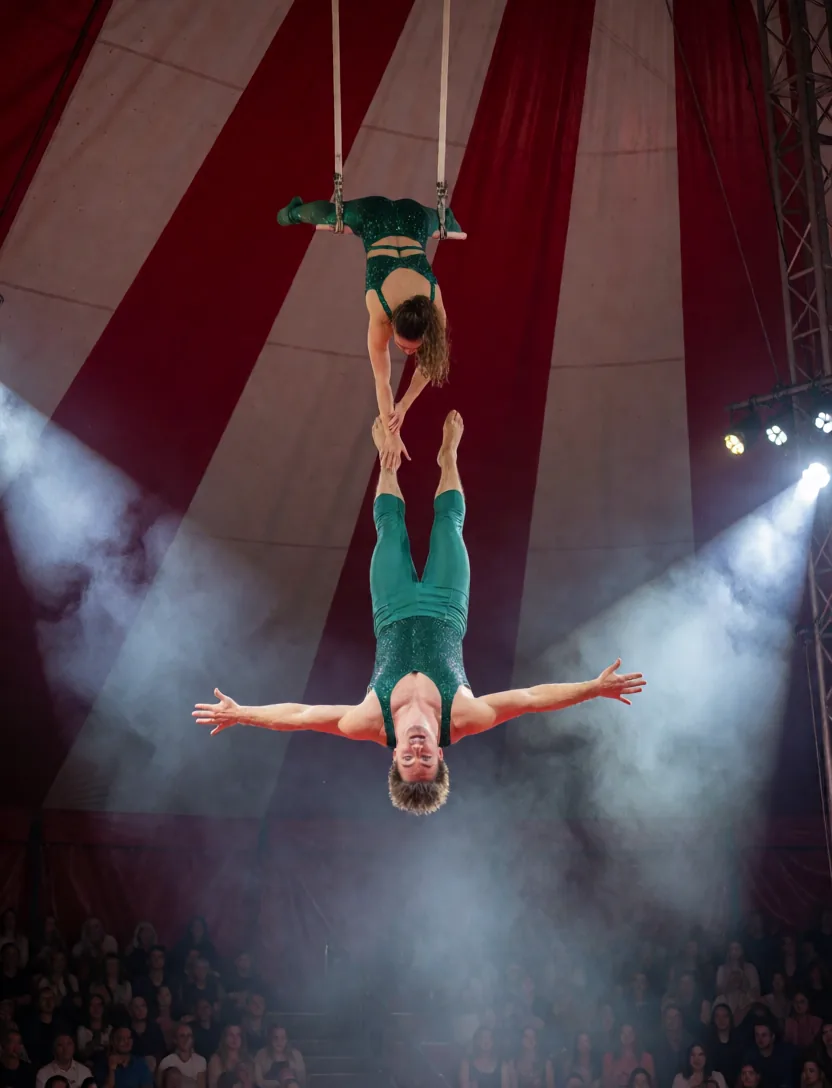
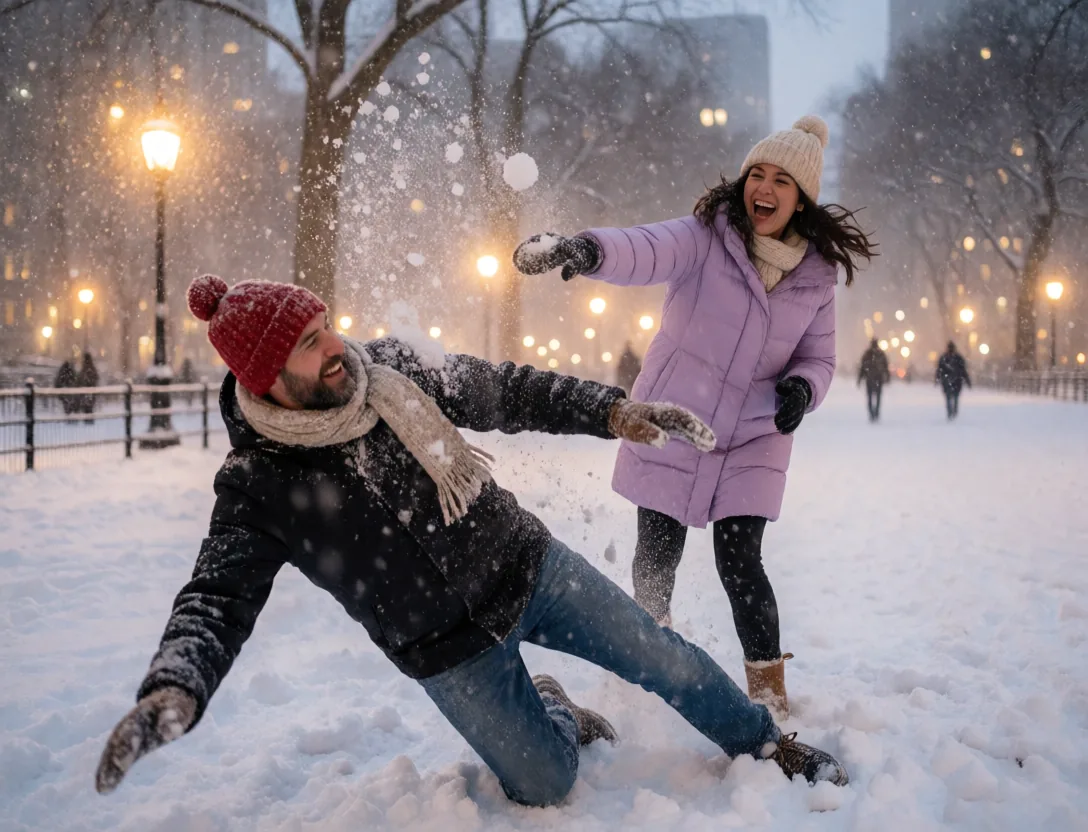
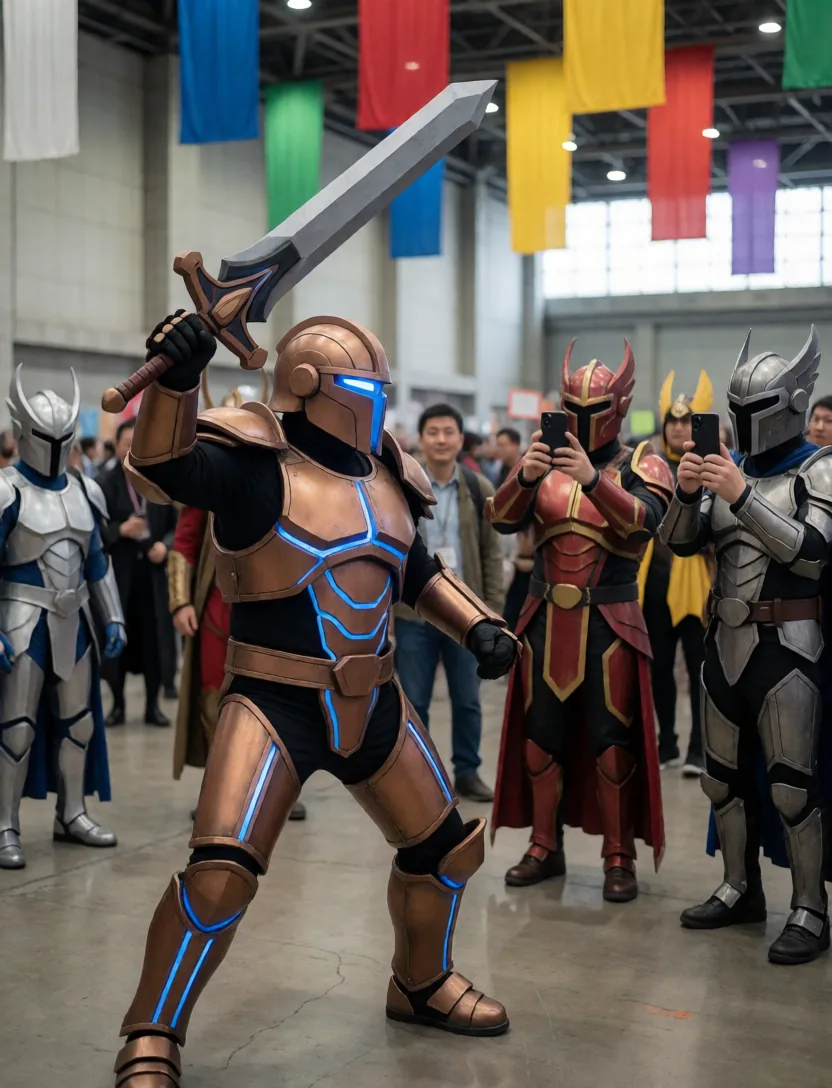
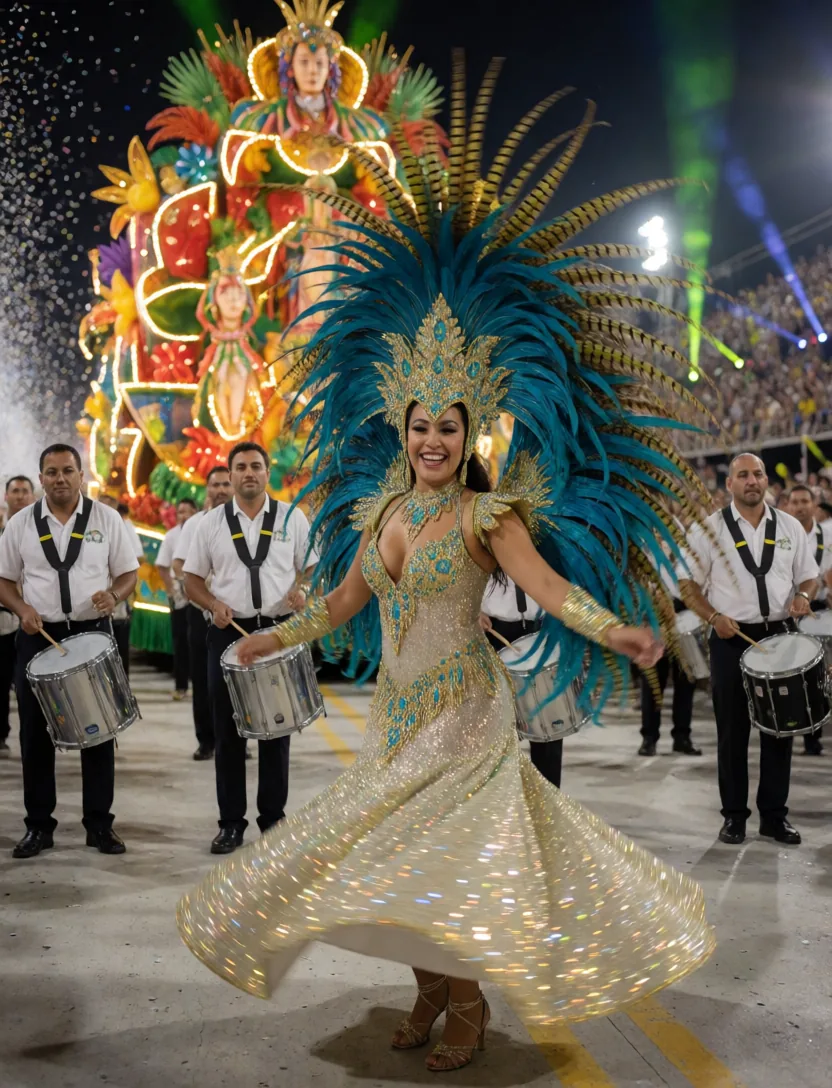
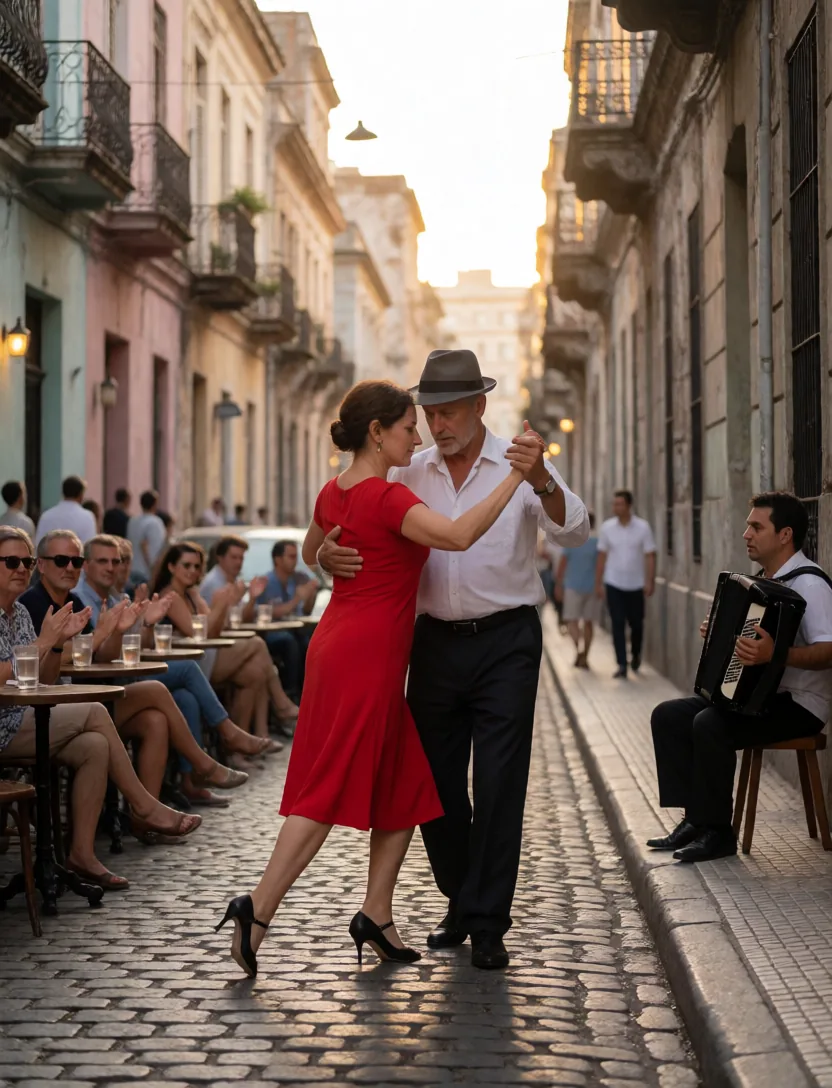
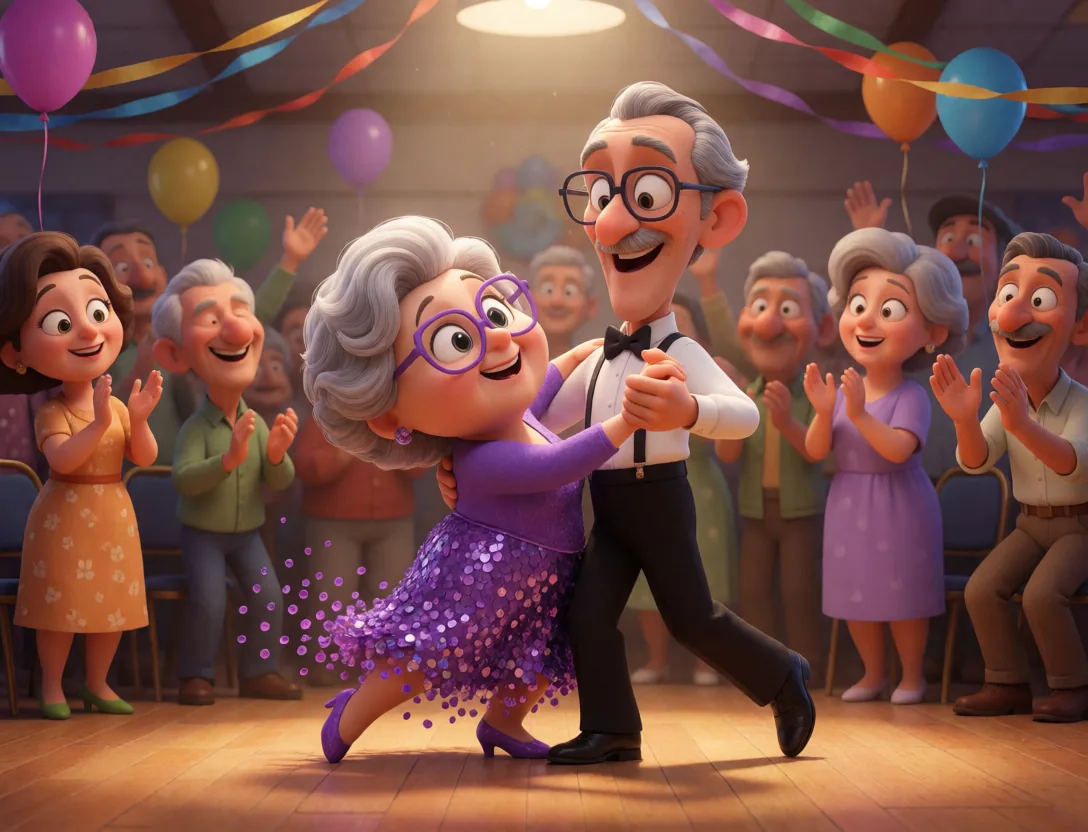
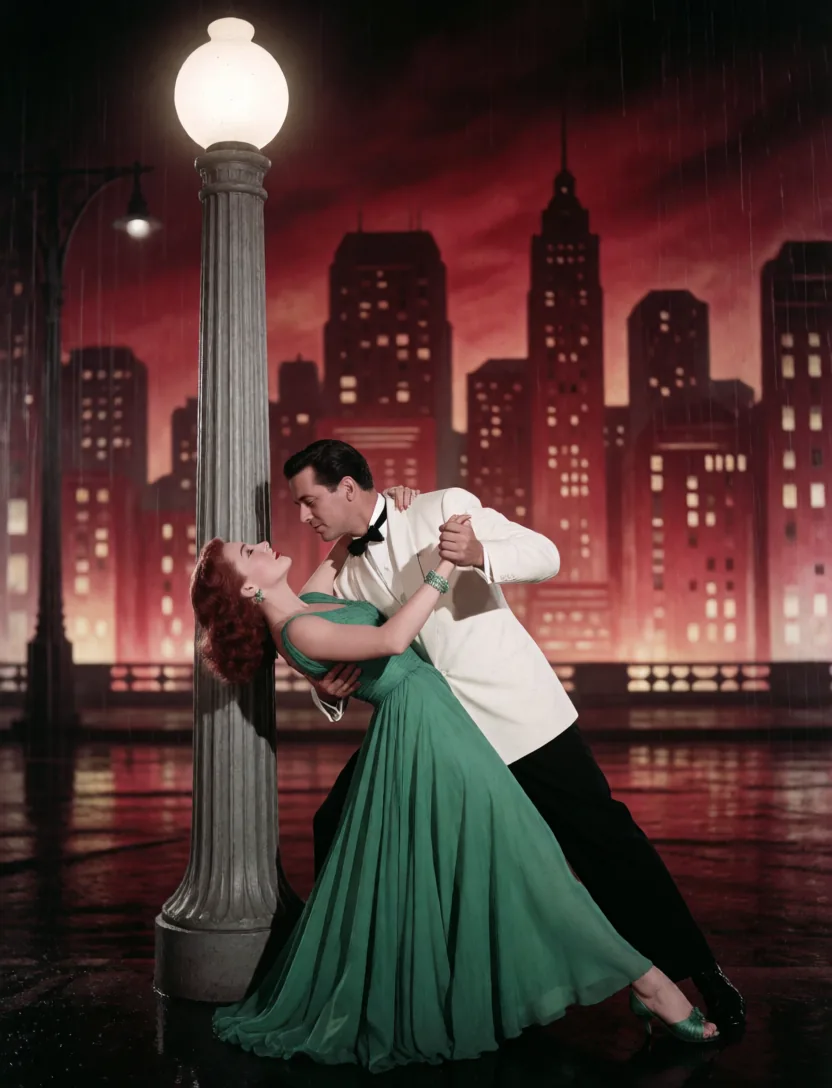
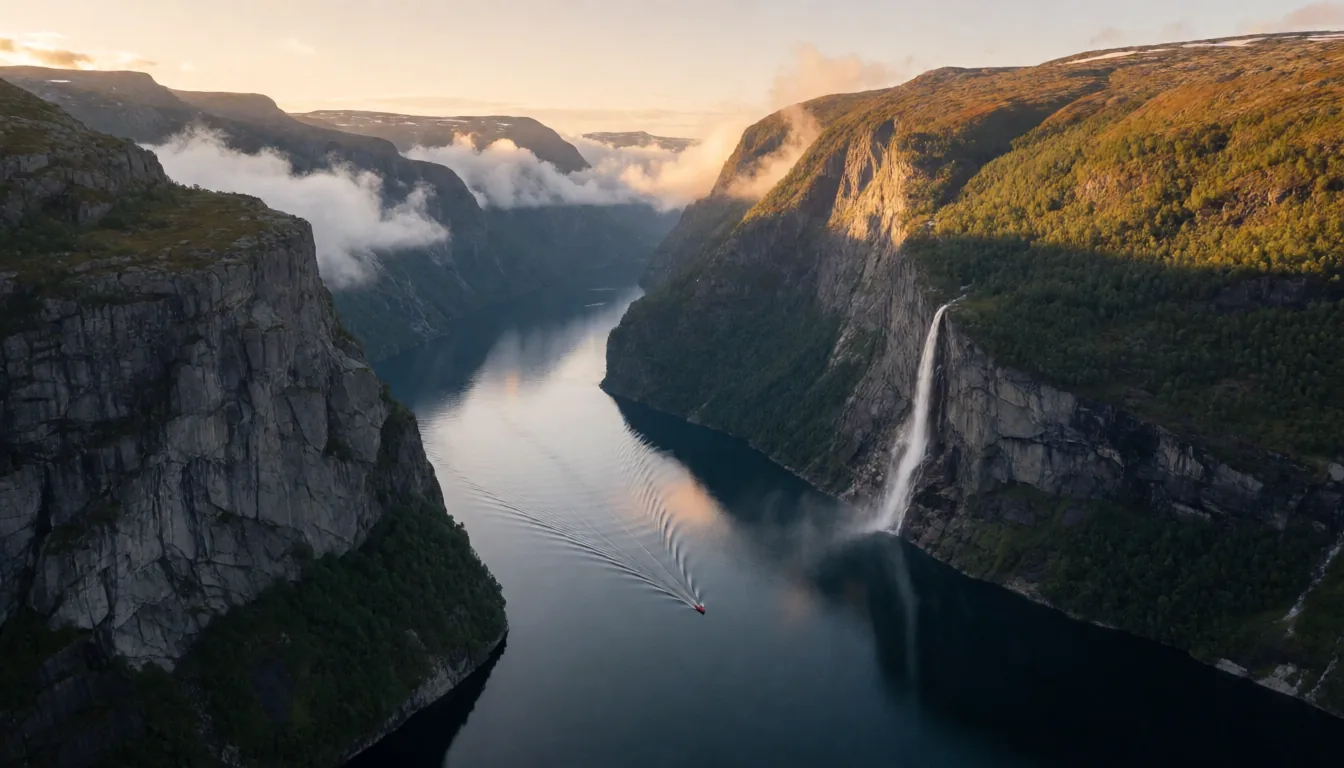
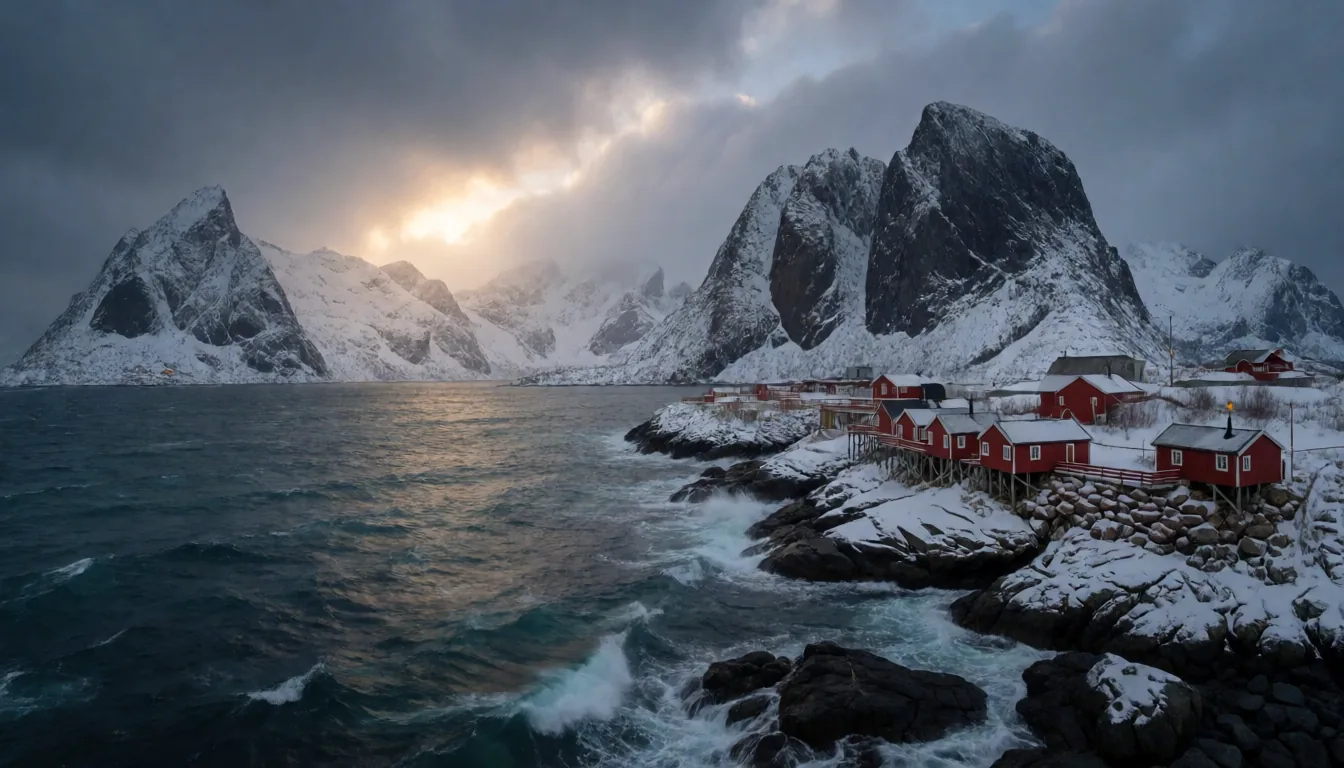
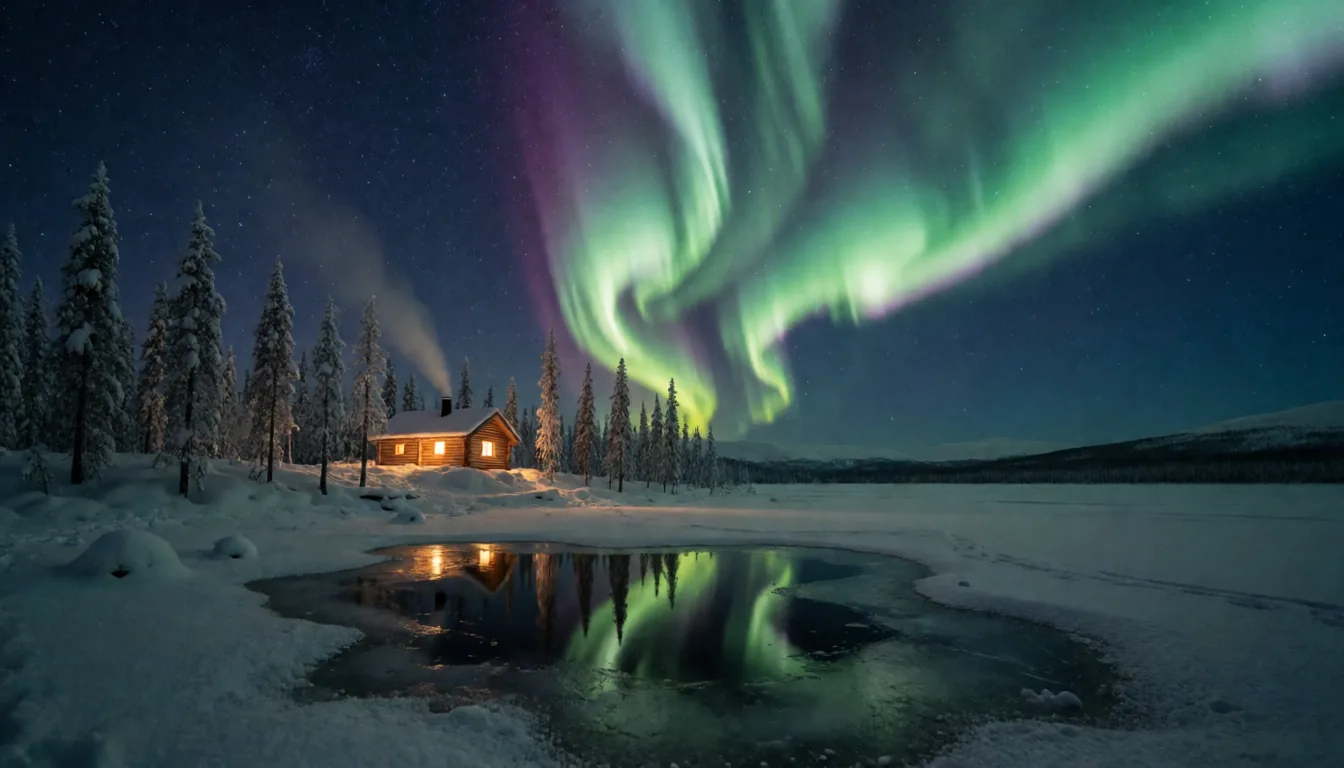
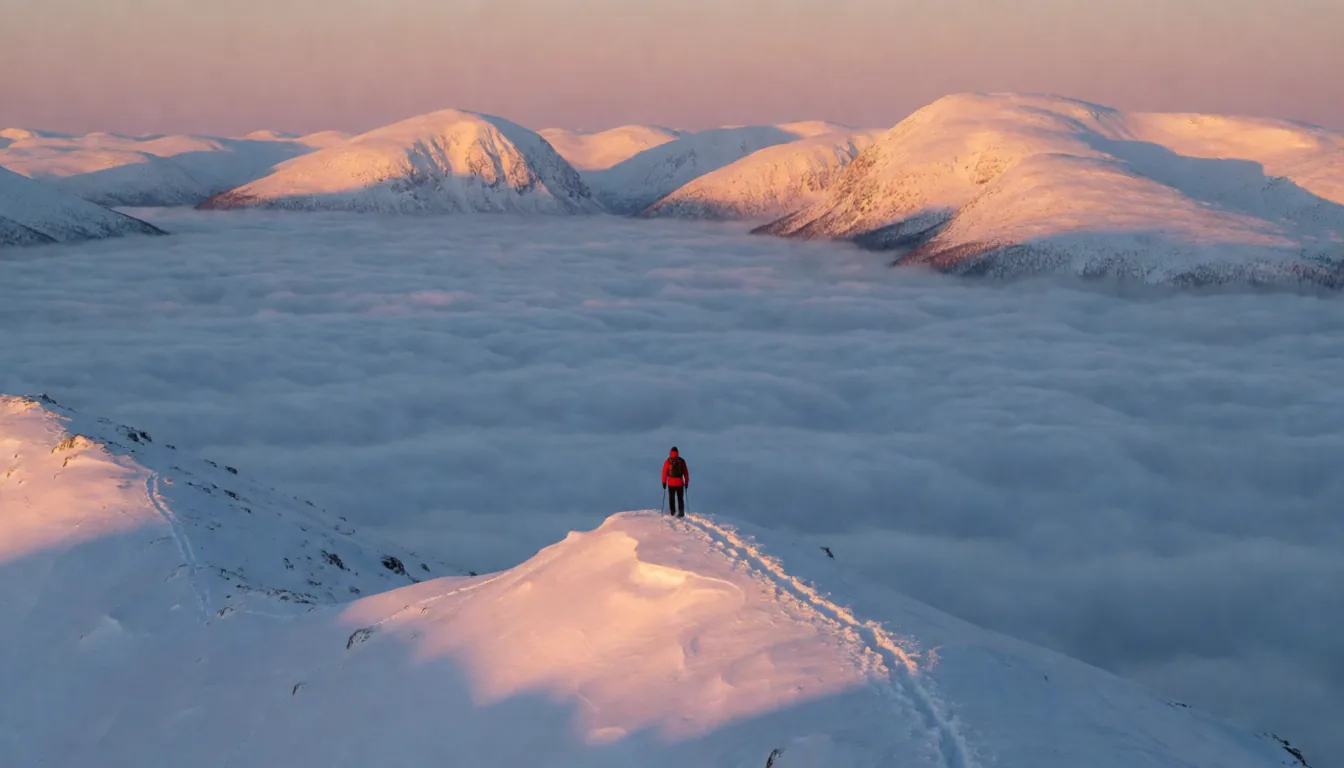
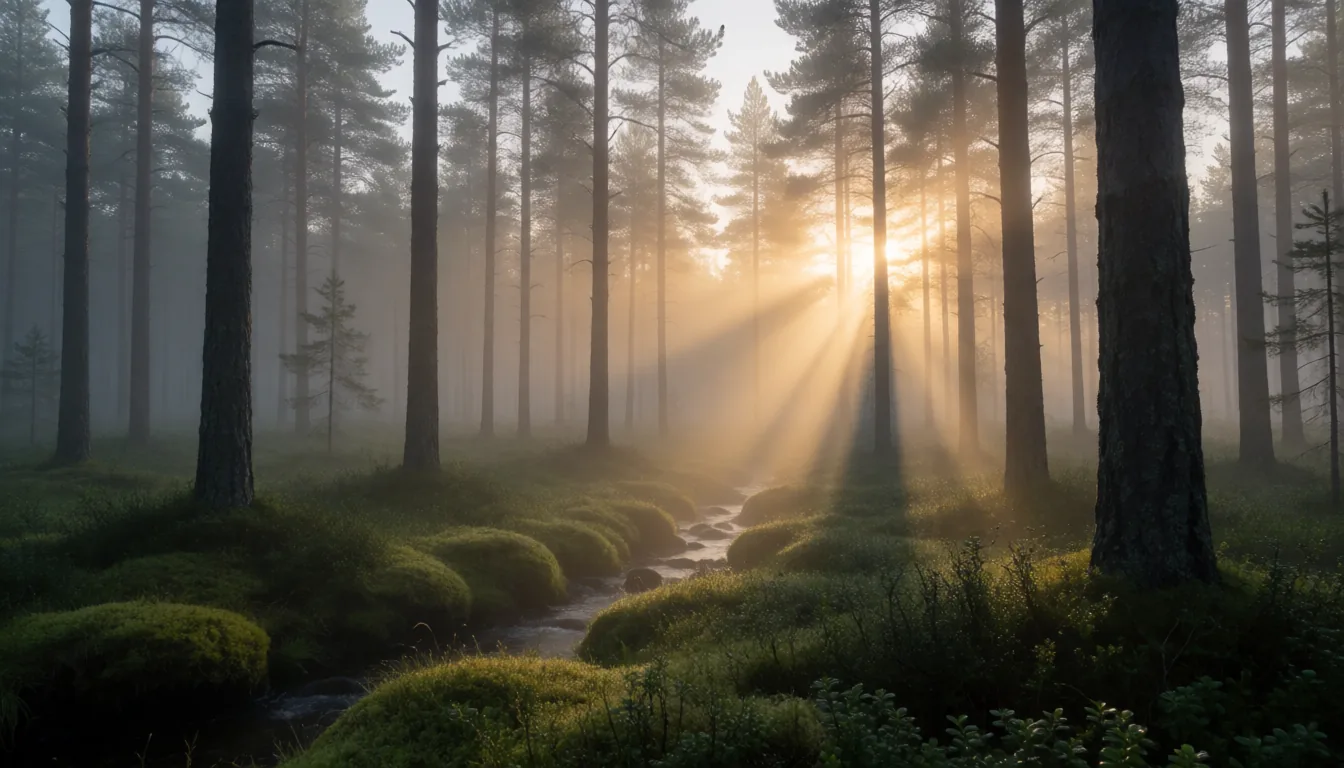
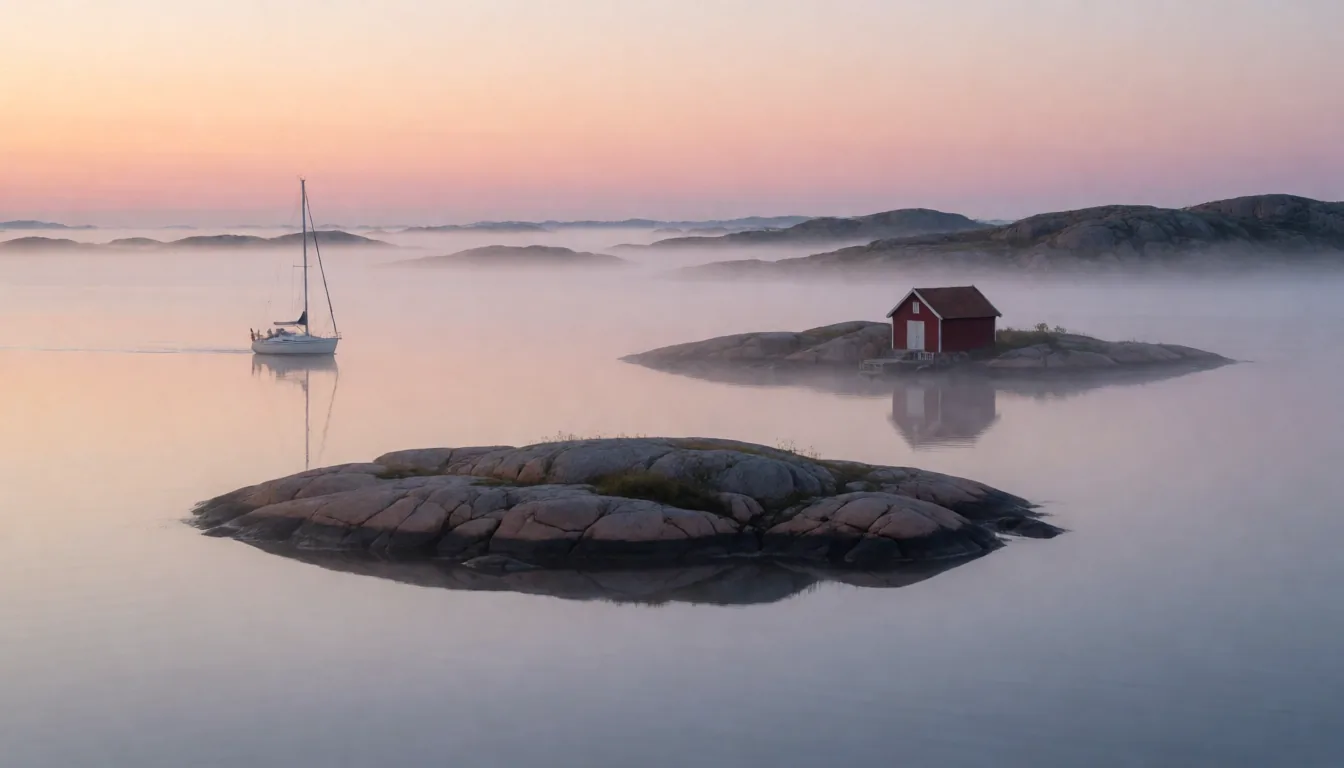
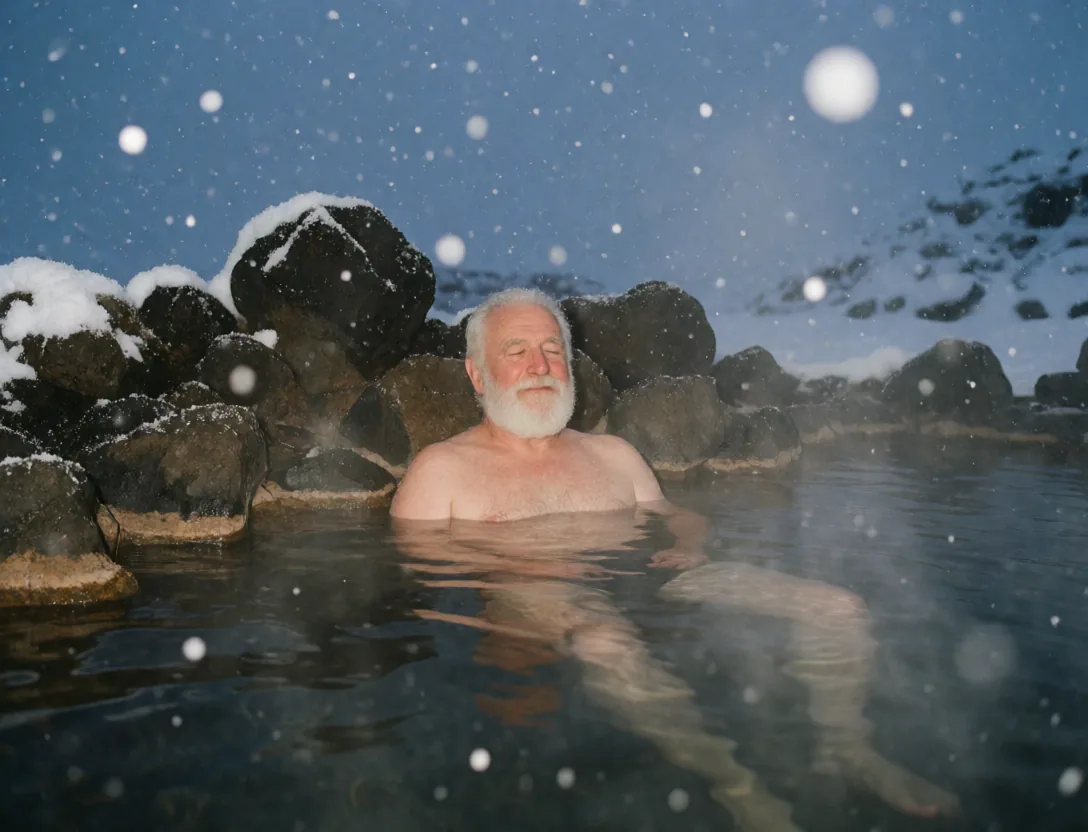
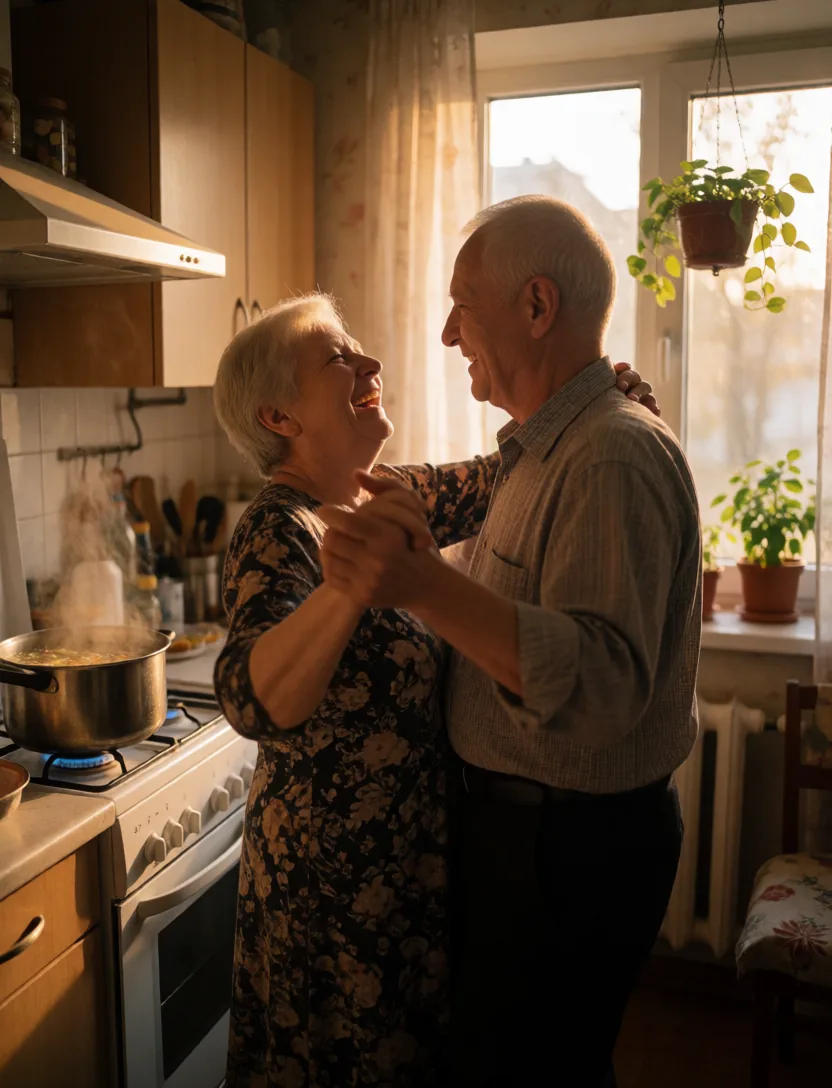
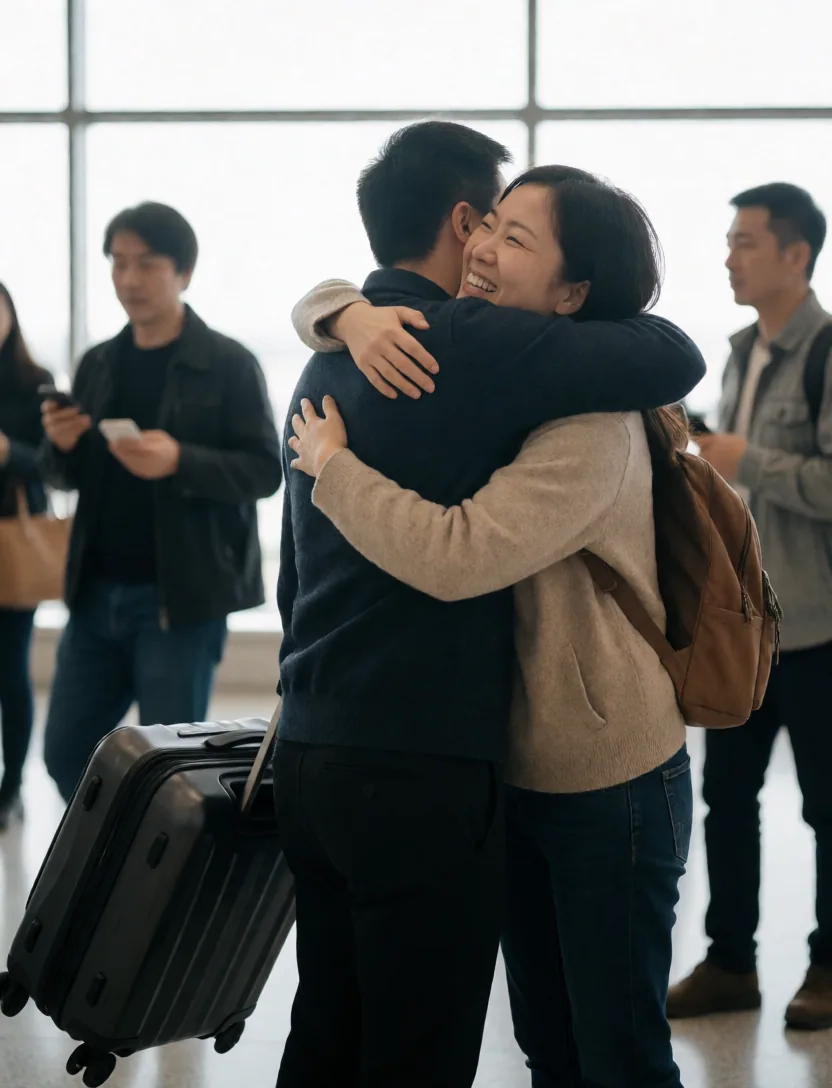
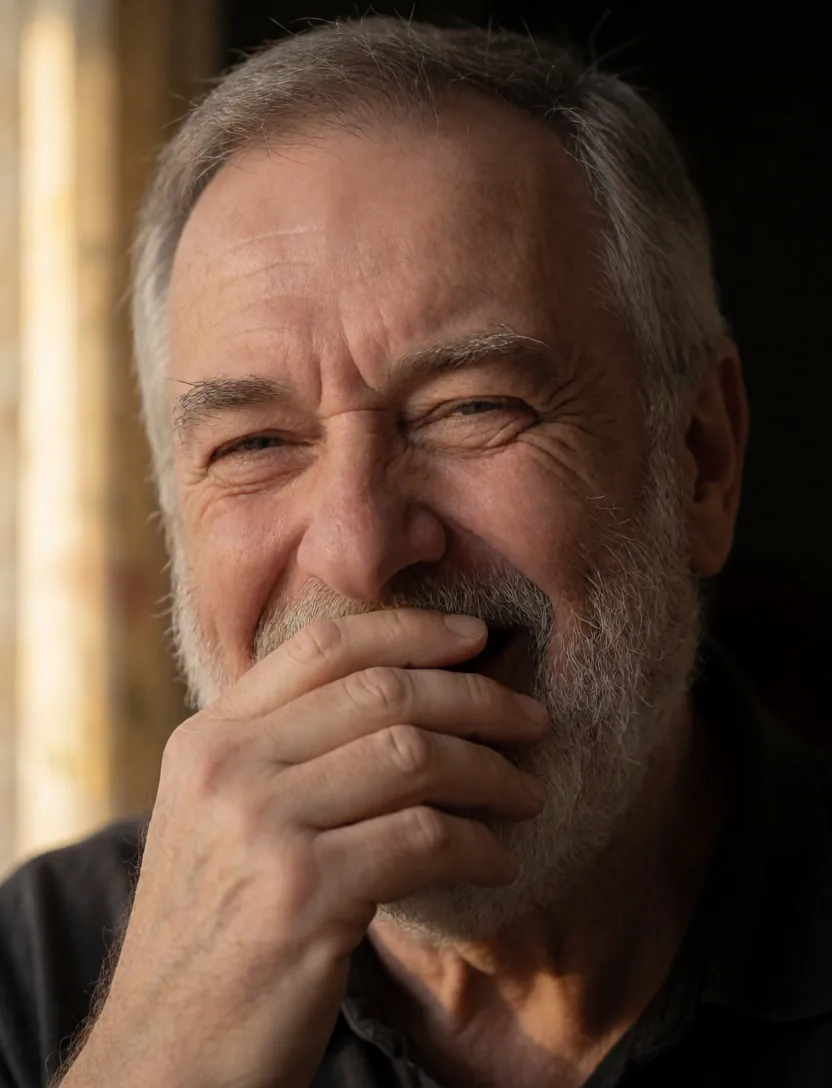
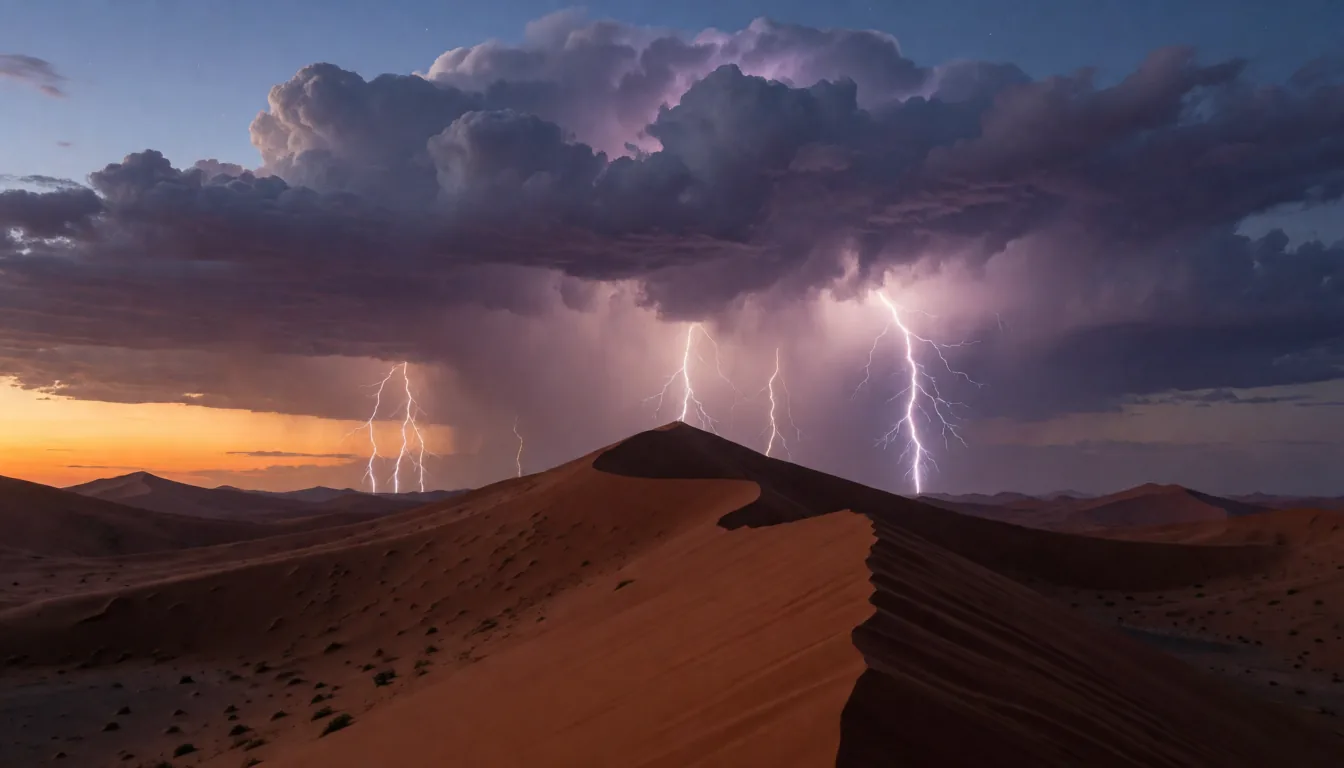
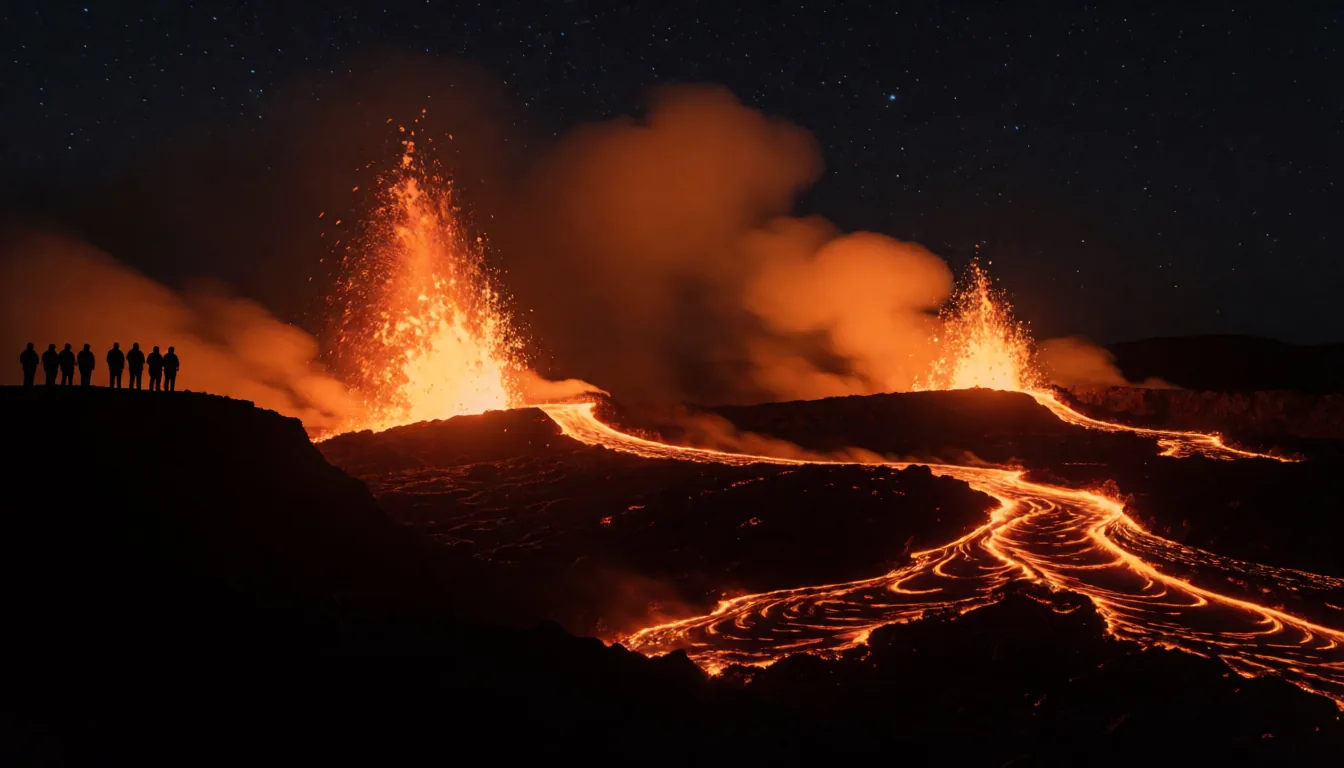
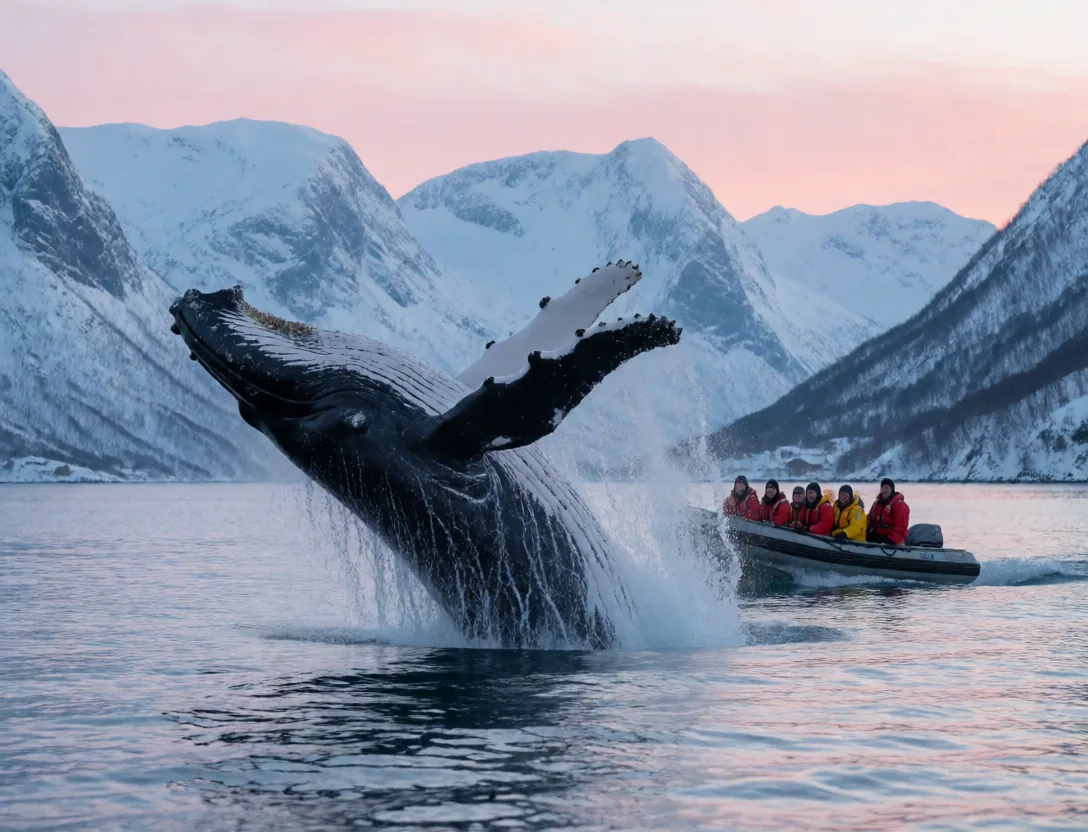
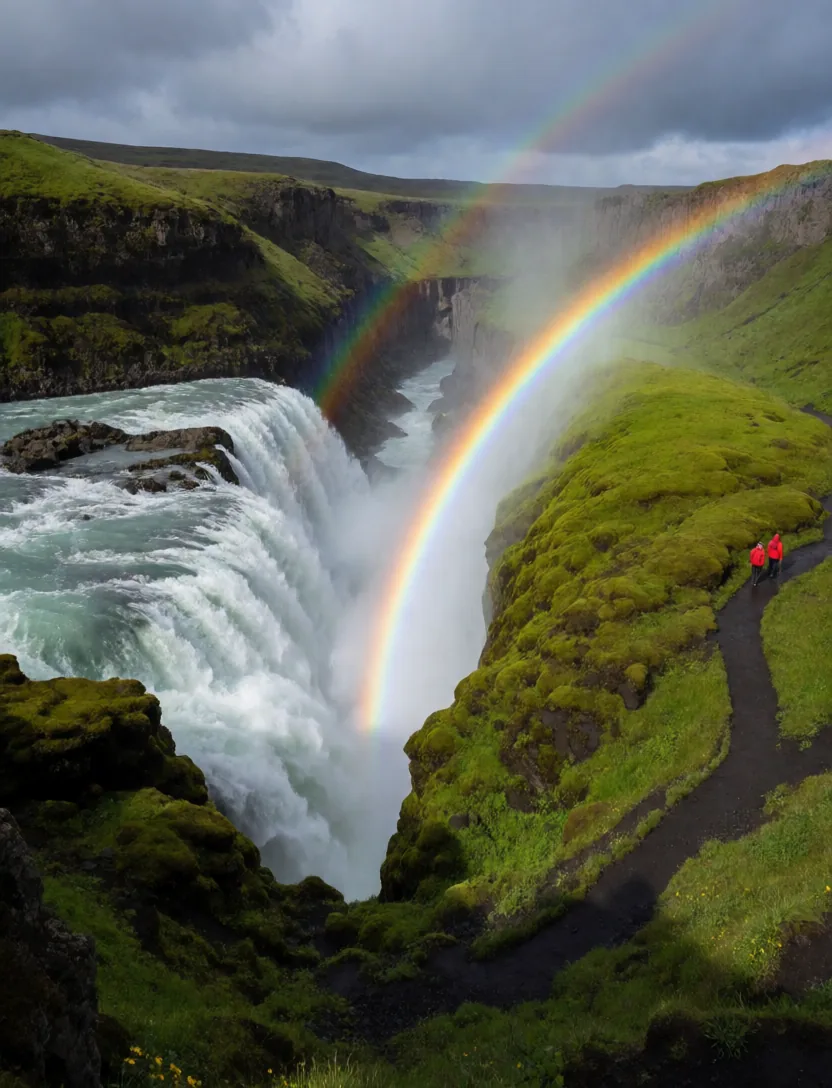
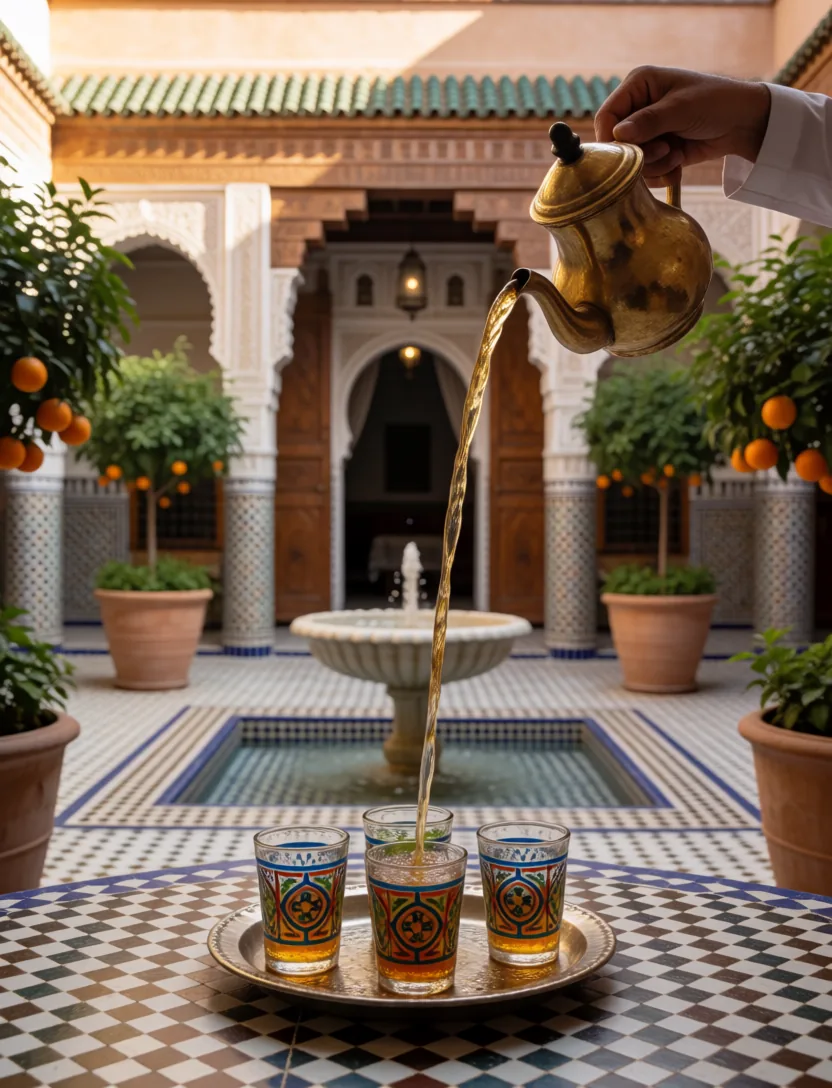
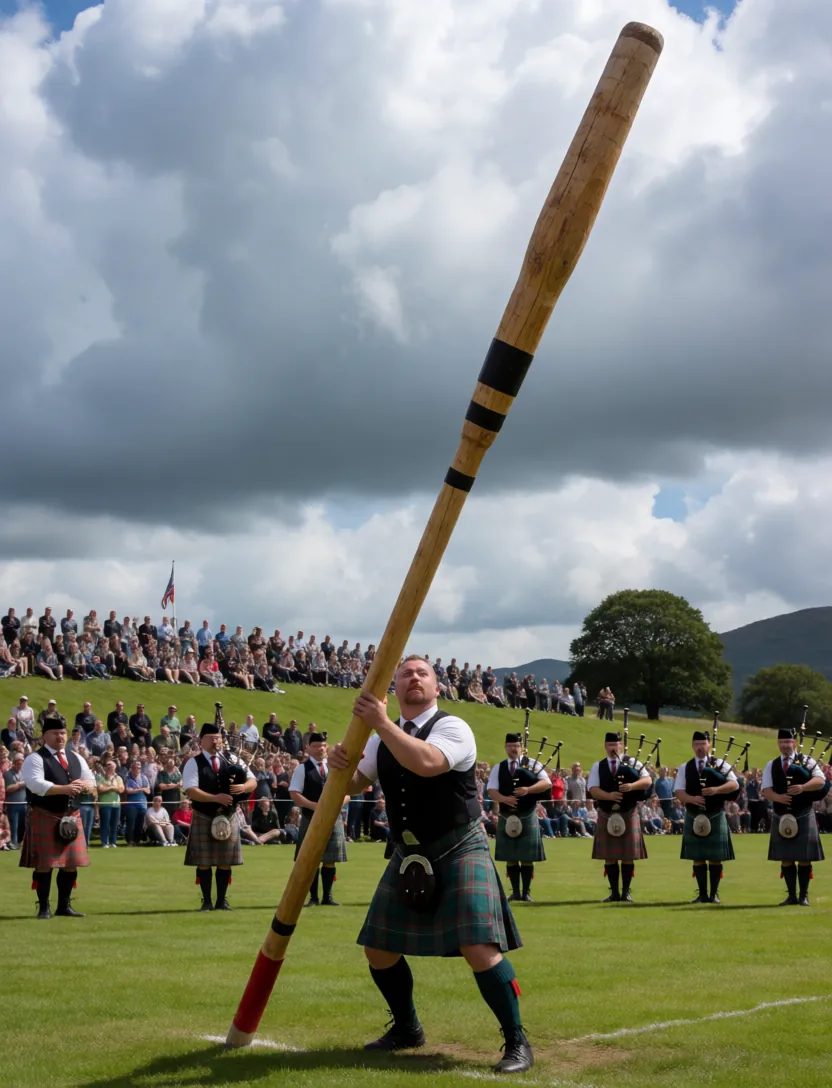
Assist writes the prompt, Krea 2 renders it, and Develop, video with sound and a timeline take it the rest of the way. One app, nothing uploaded.
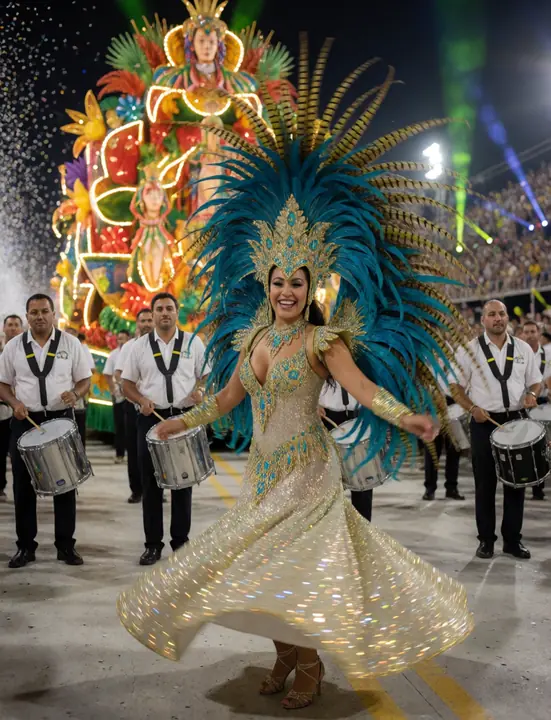
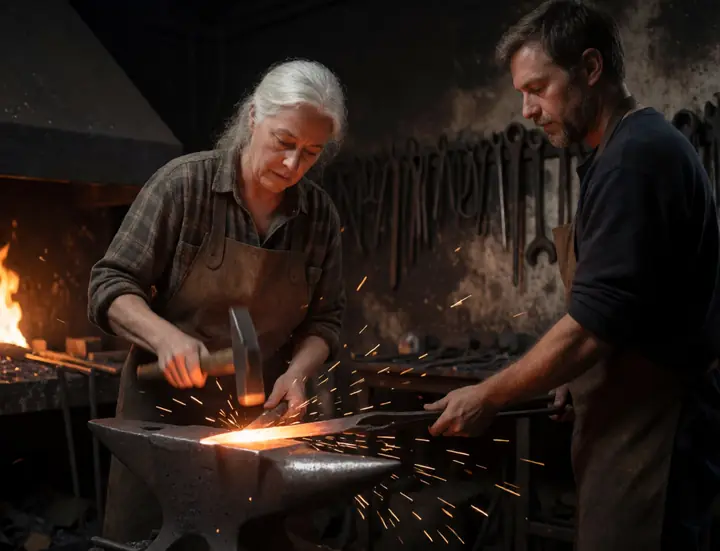
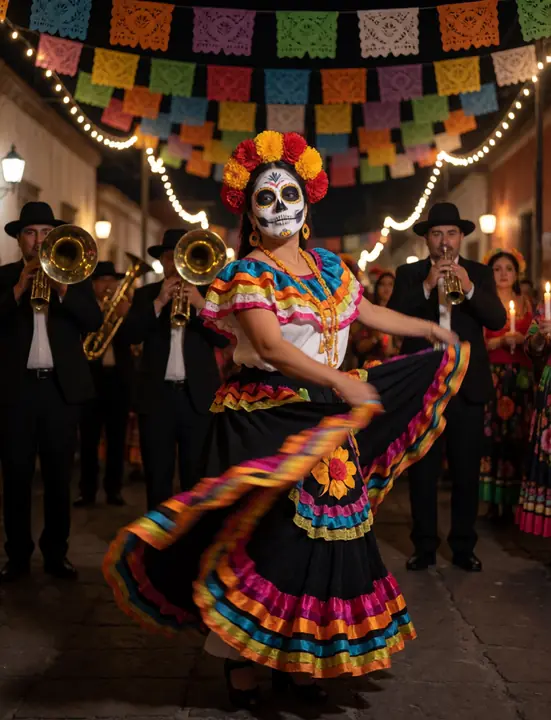
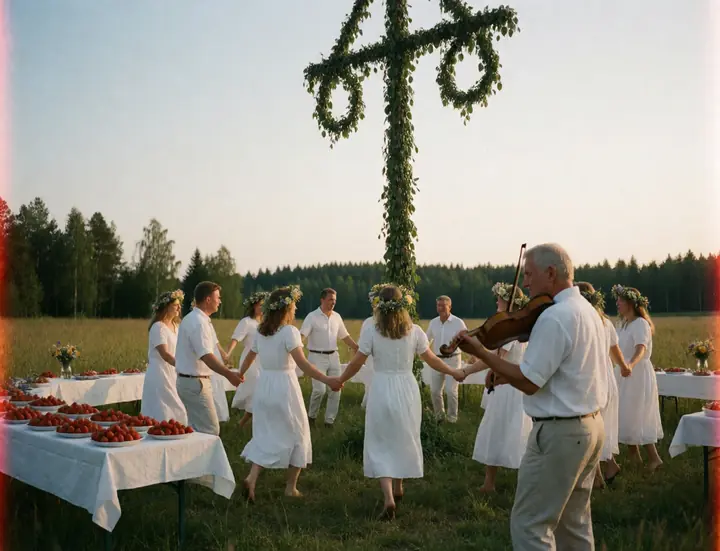
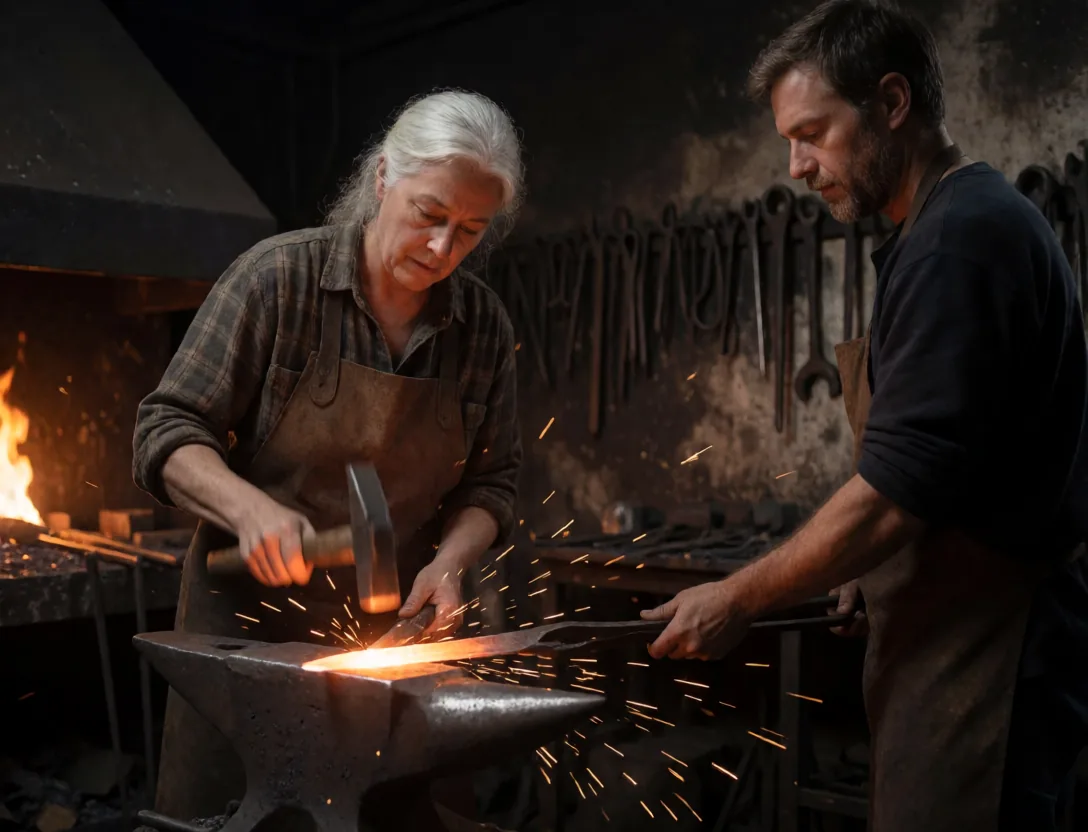
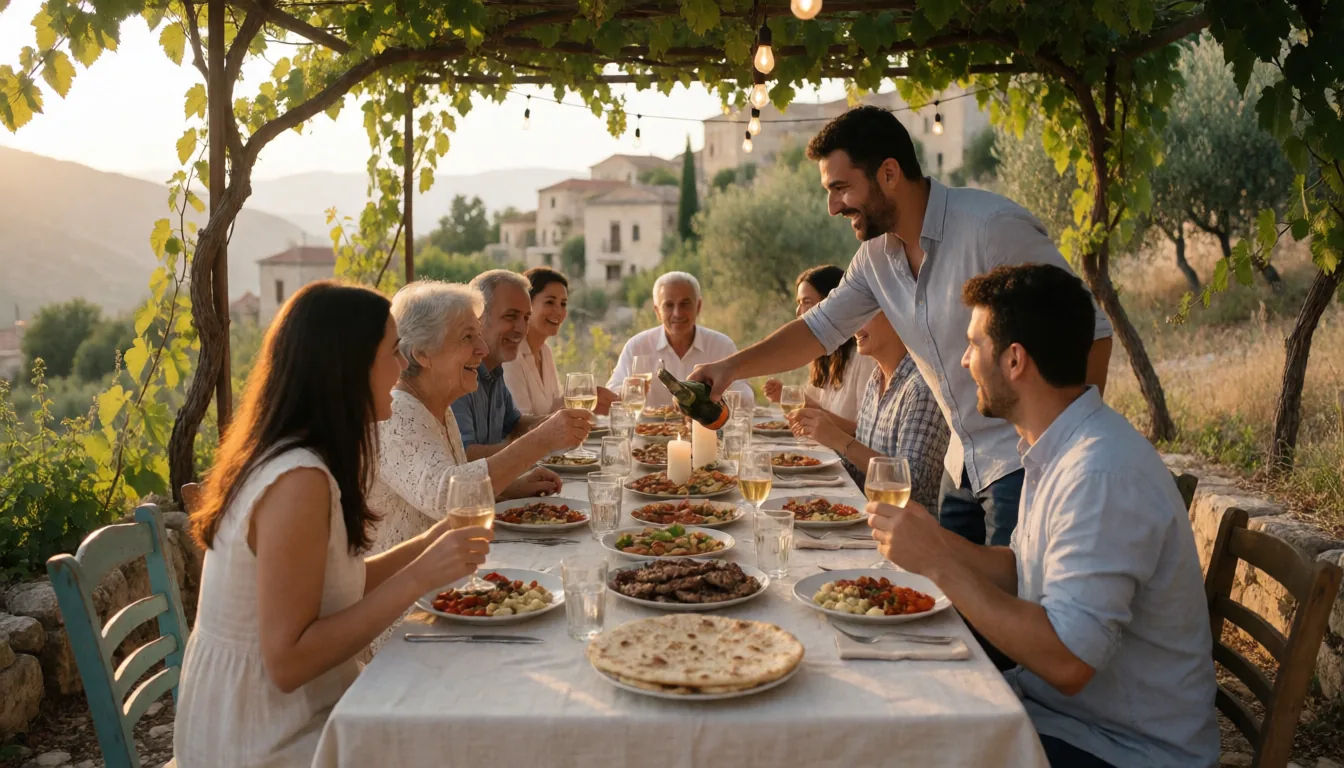
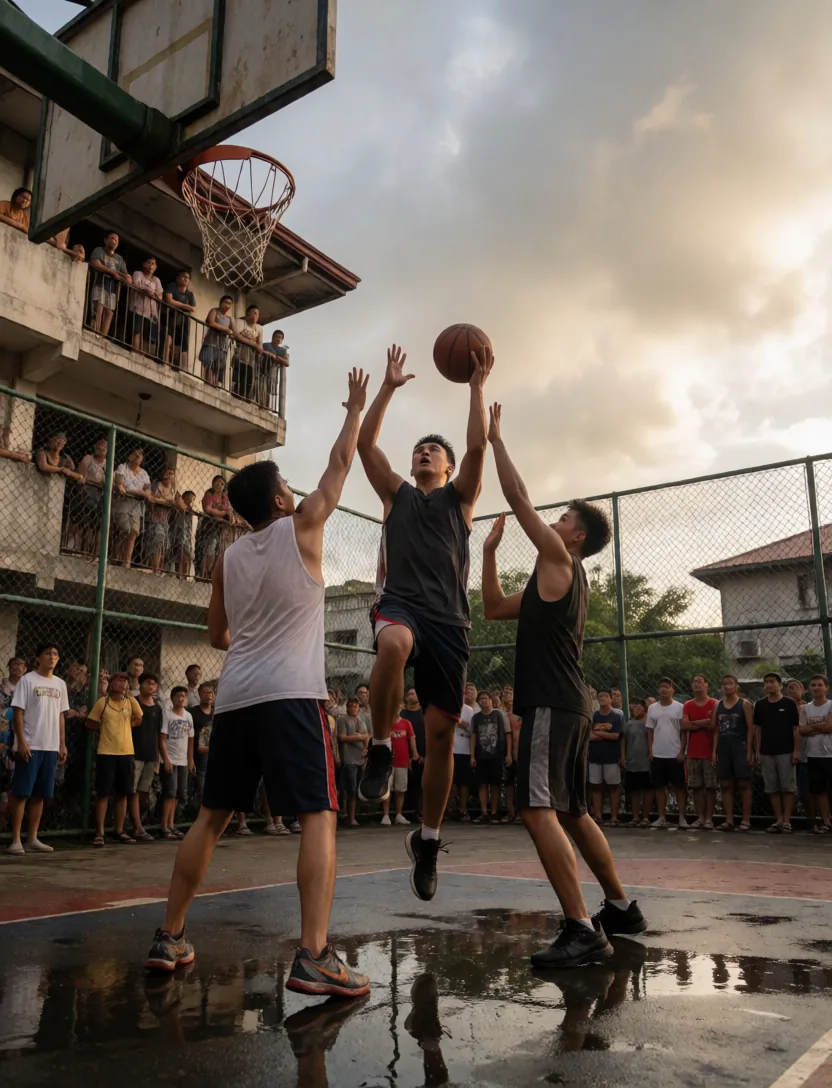
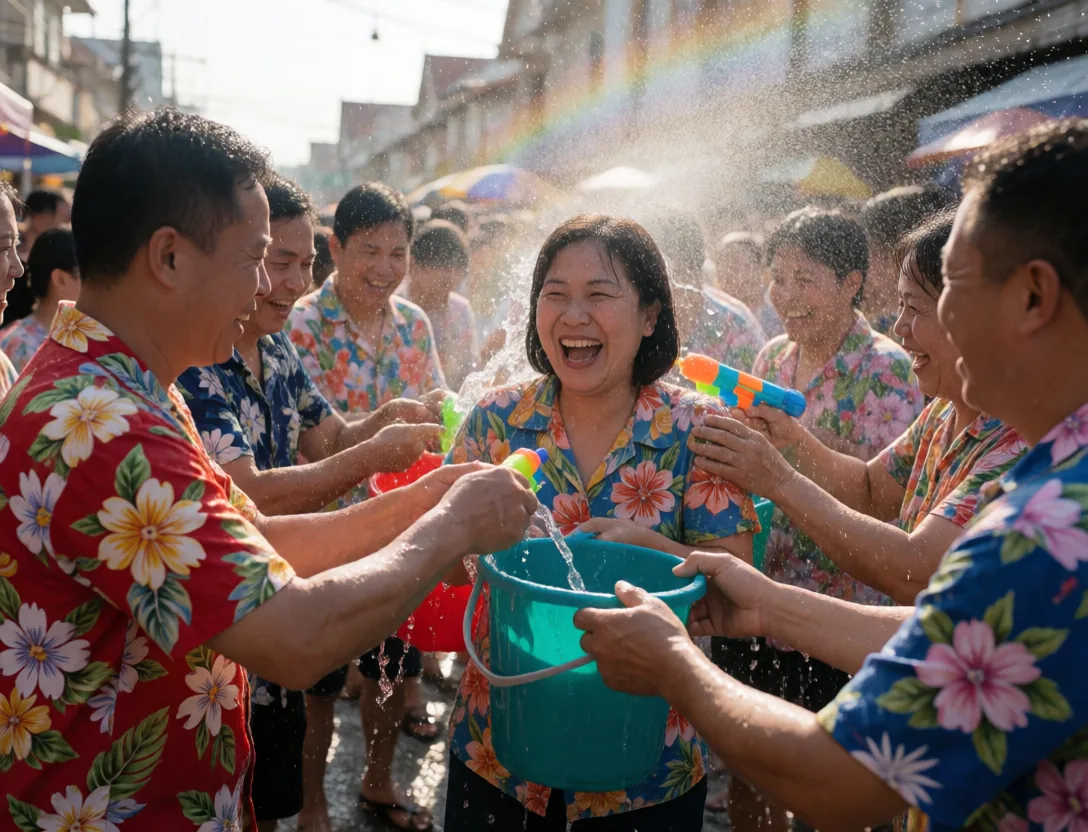
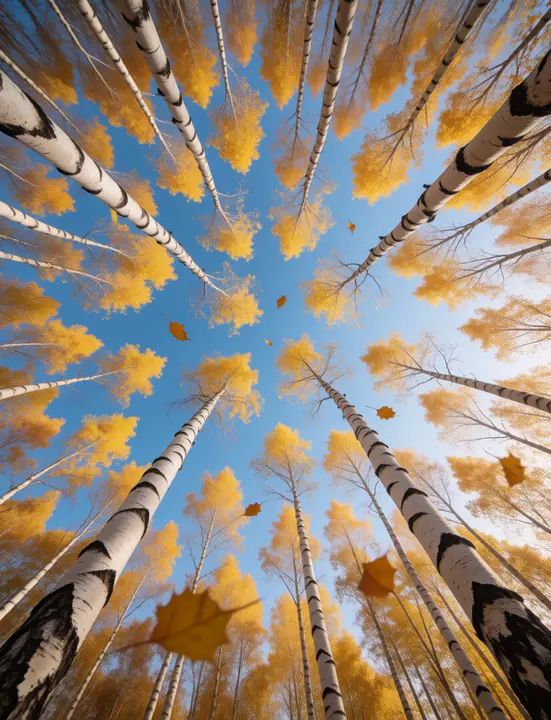
Every image and clip on this page was made in TinyPine
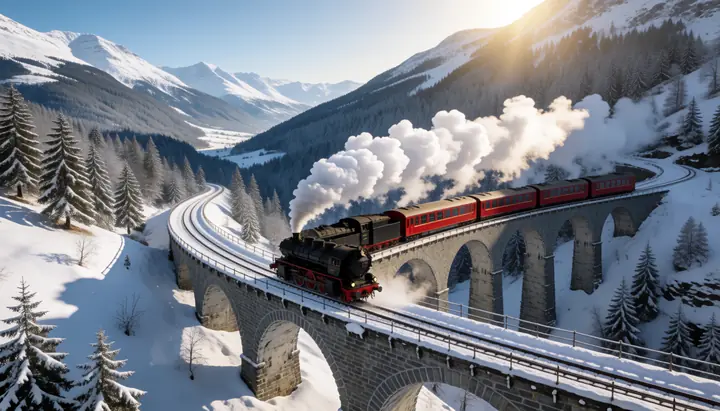
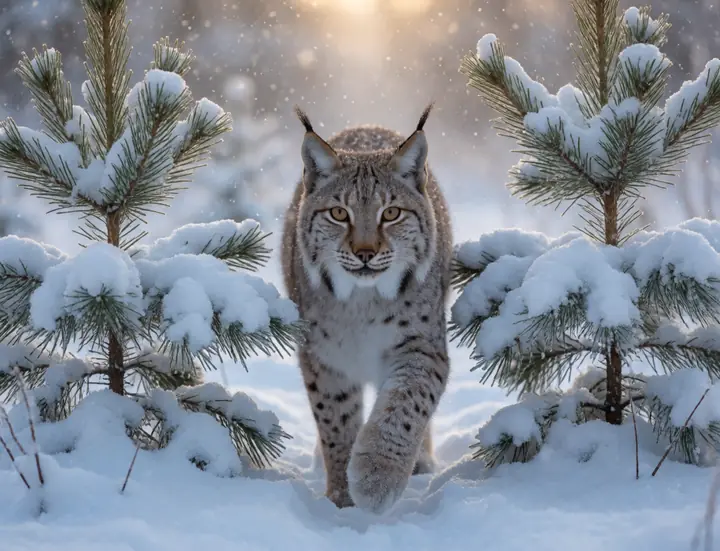
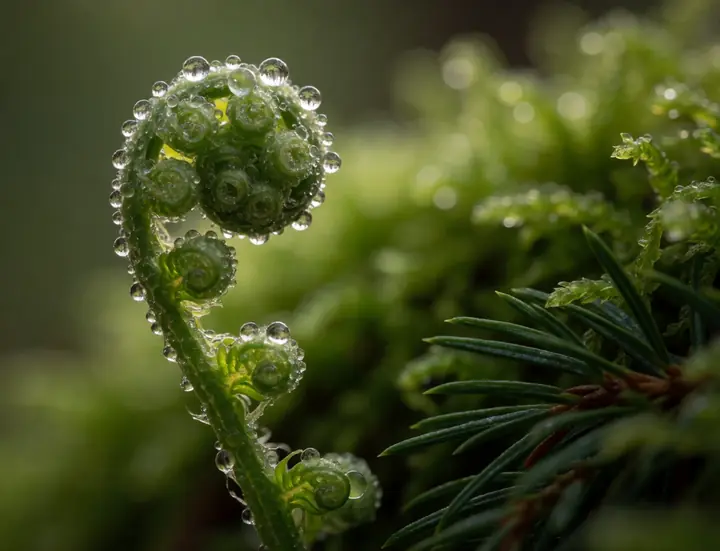
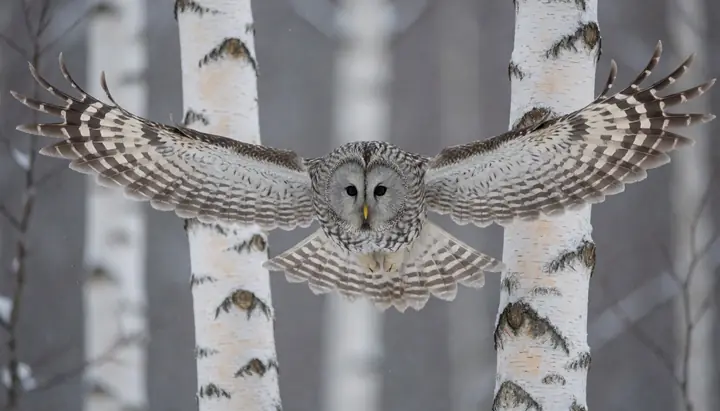
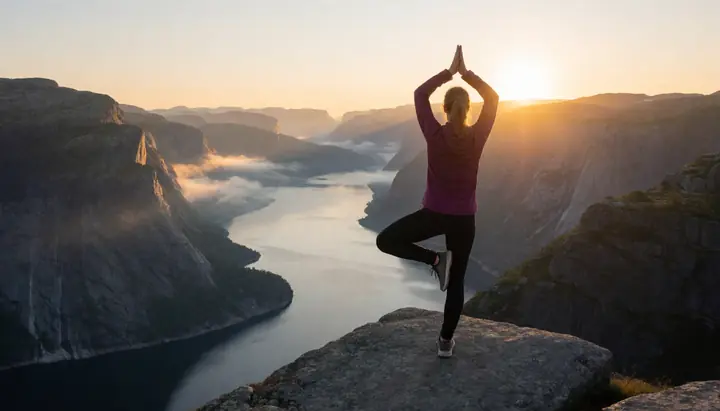
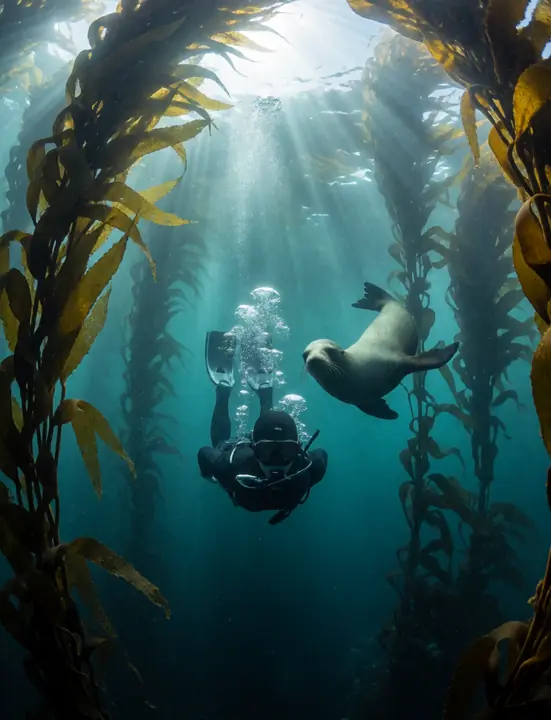
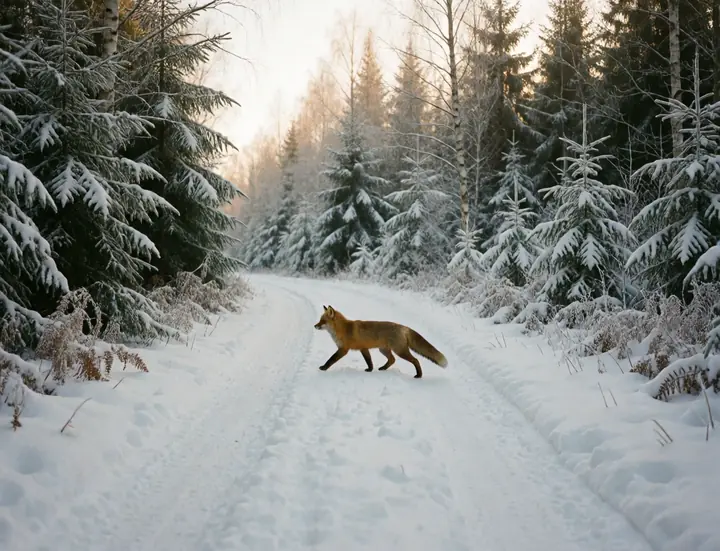
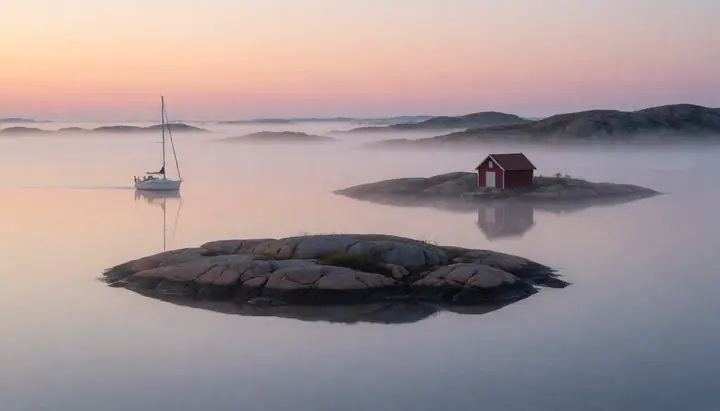
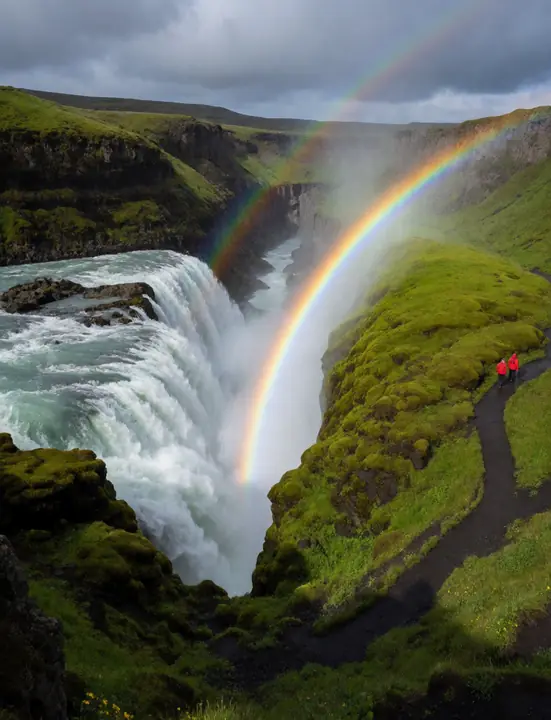
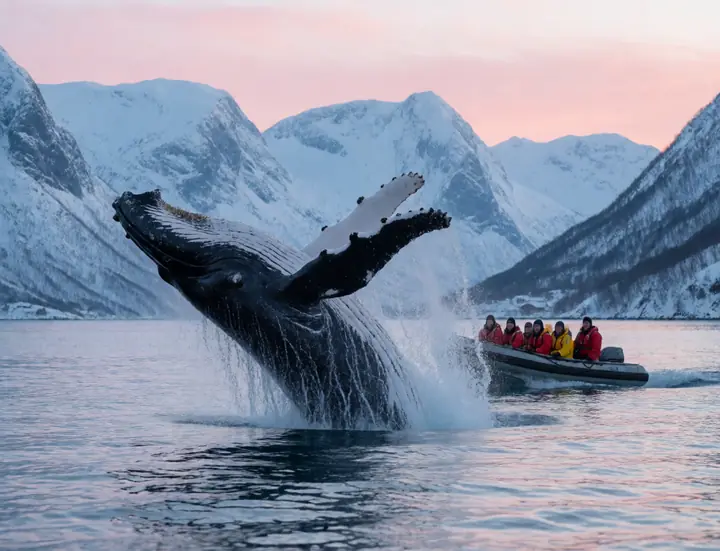
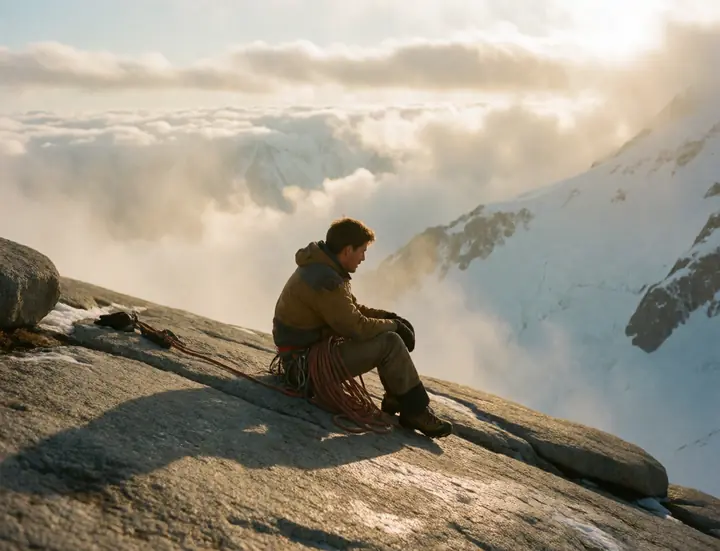
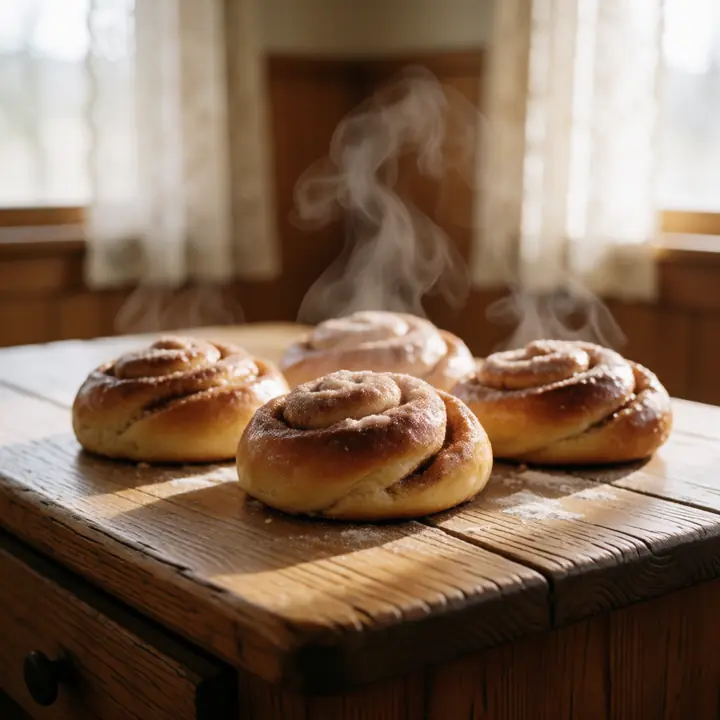
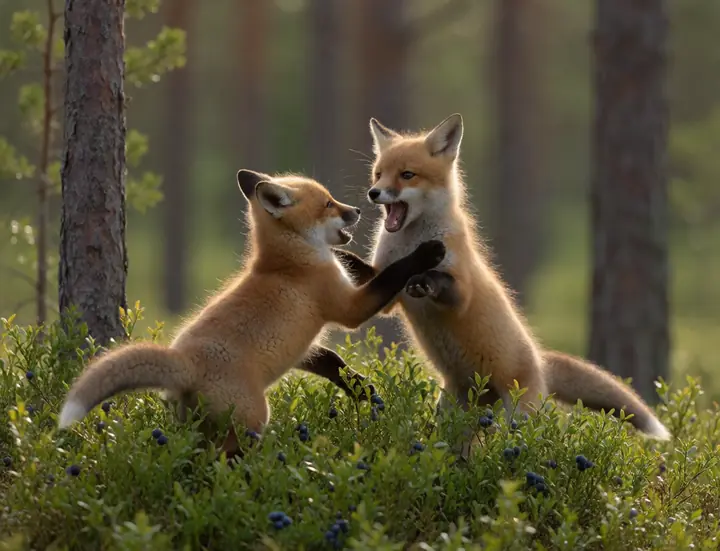
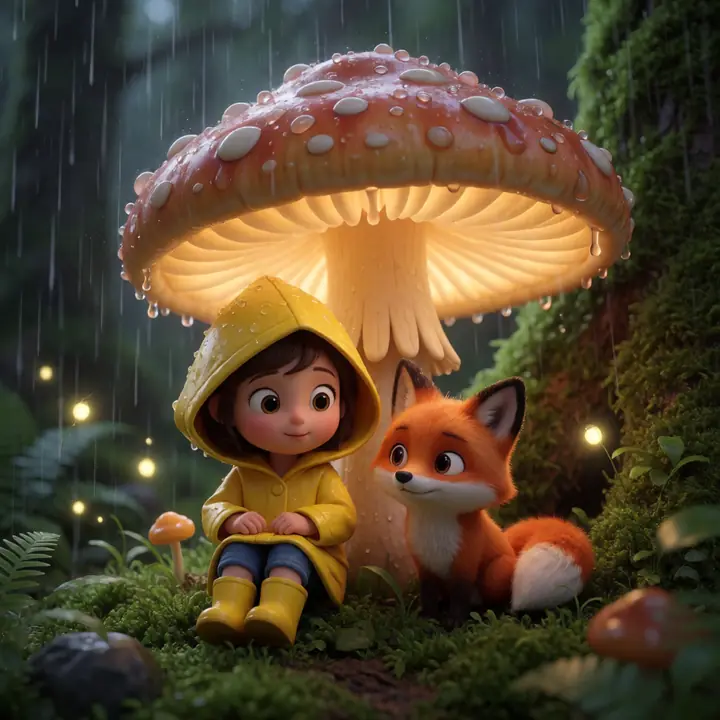
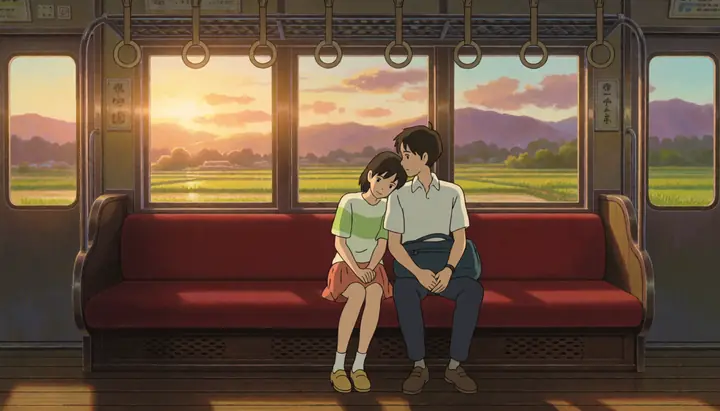
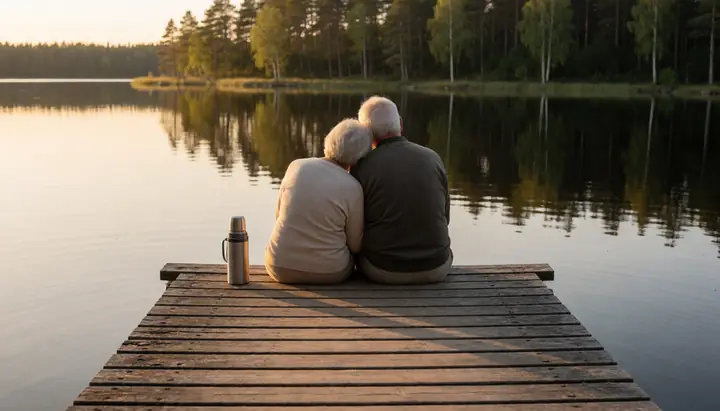
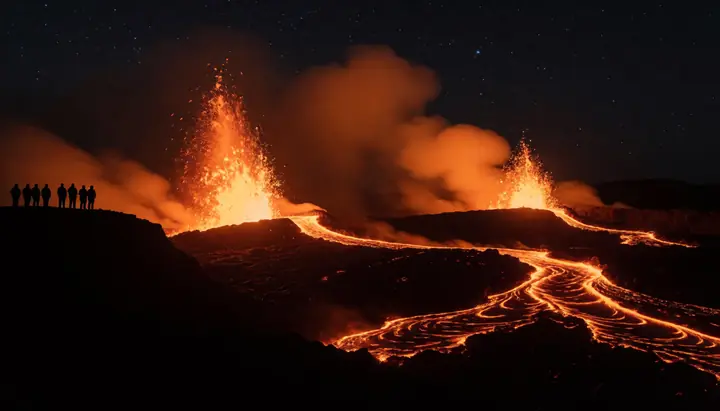
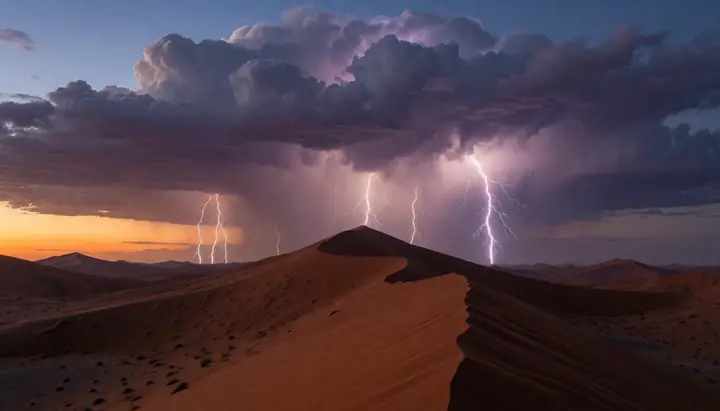
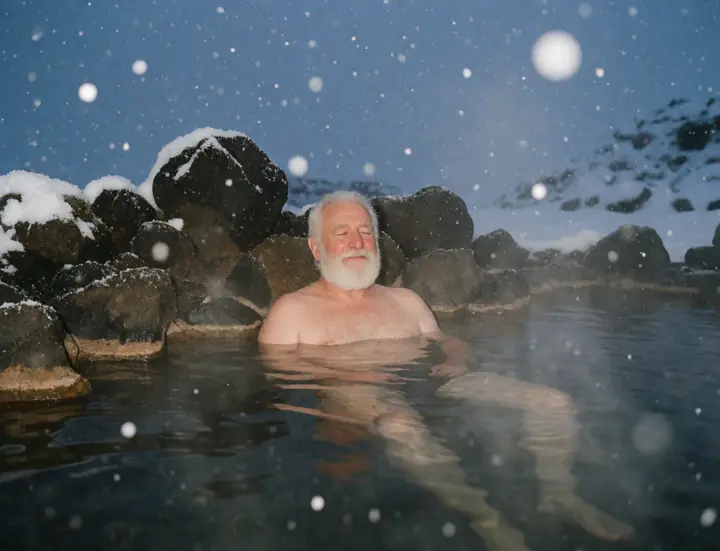
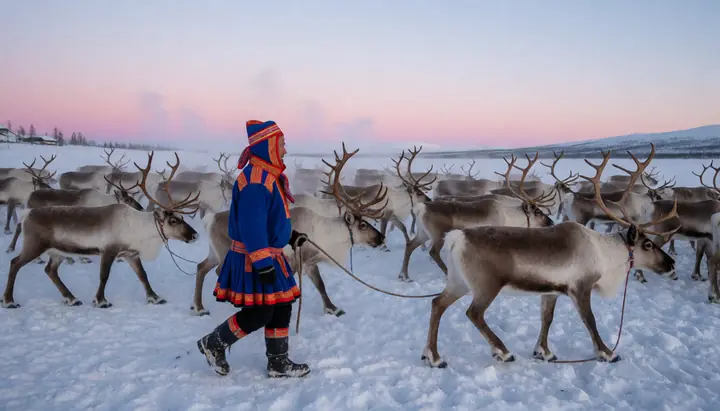
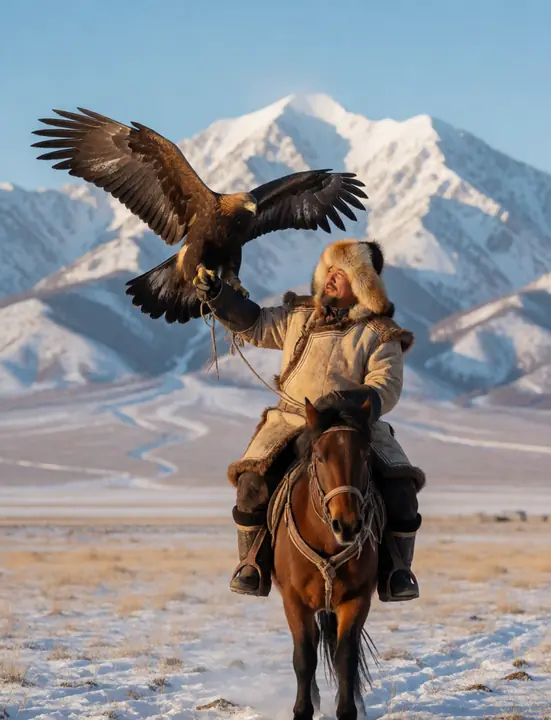
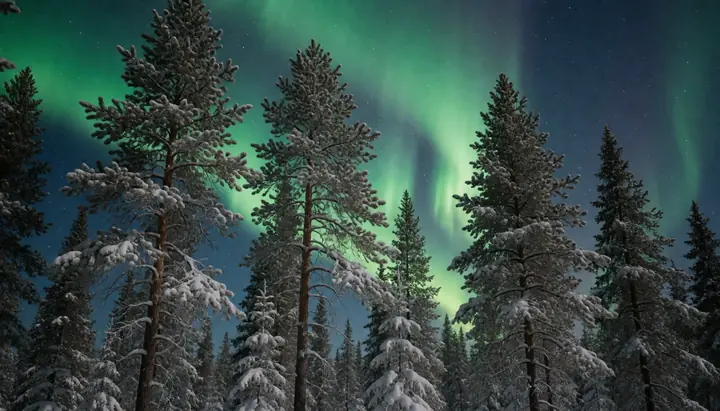
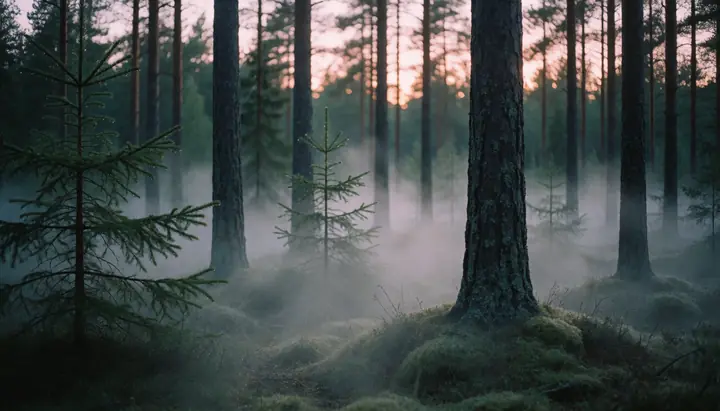
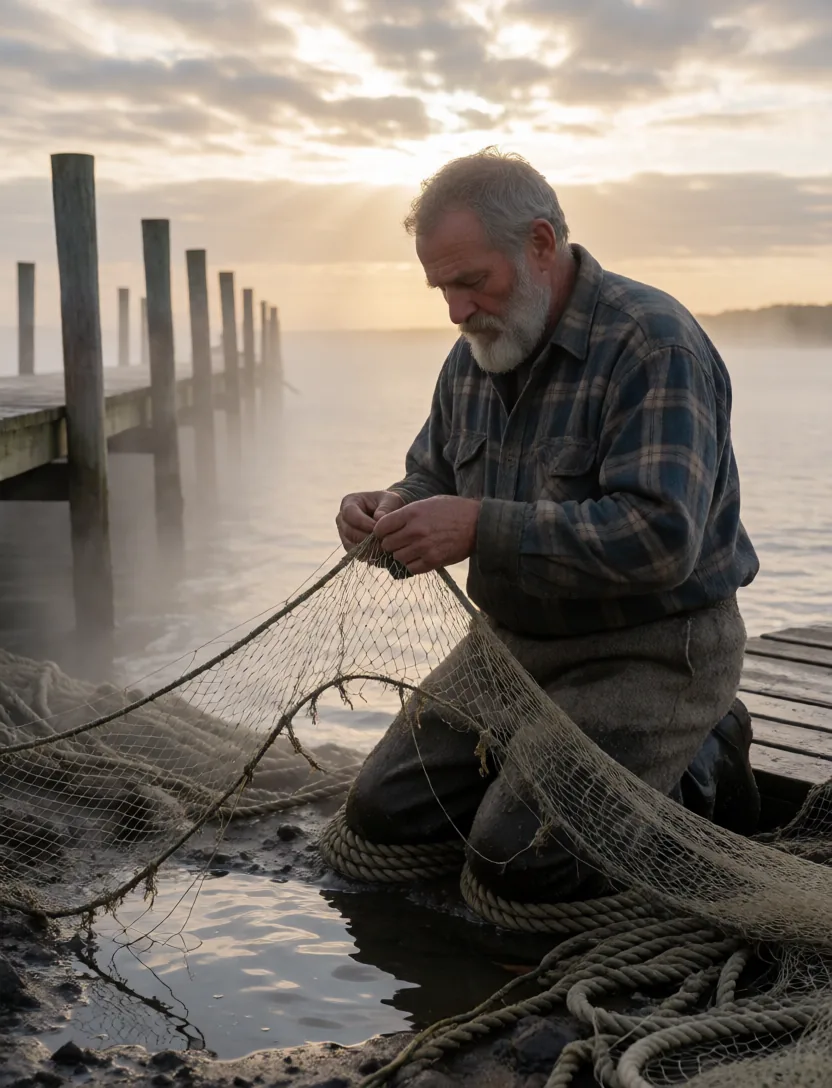
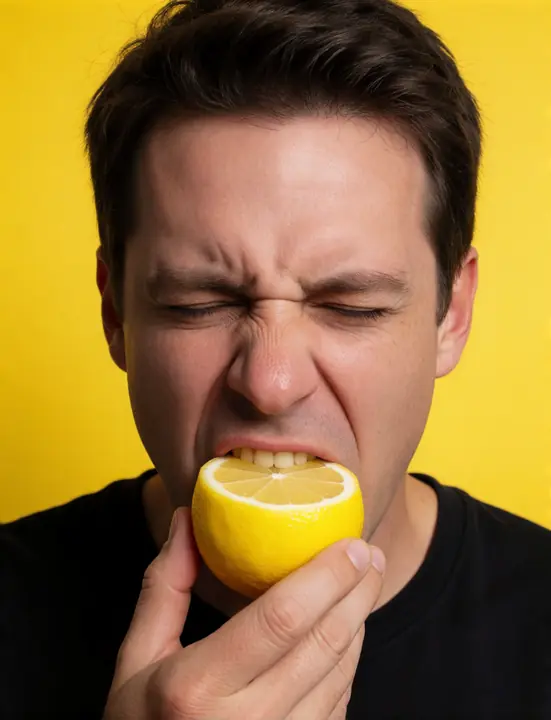
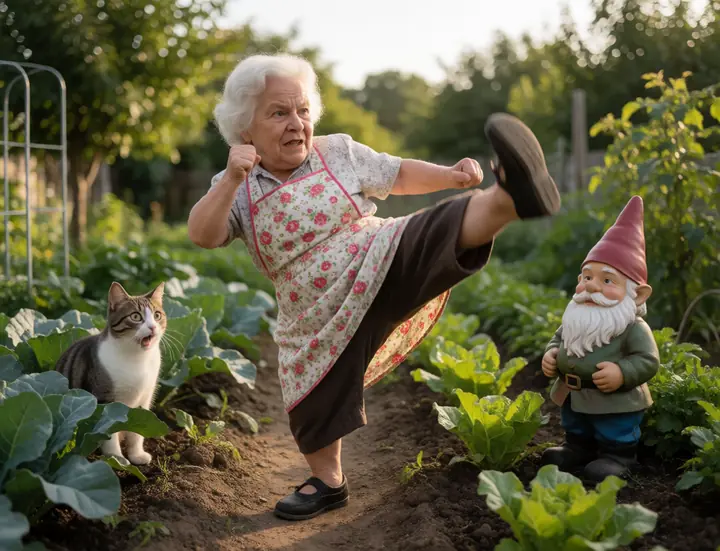
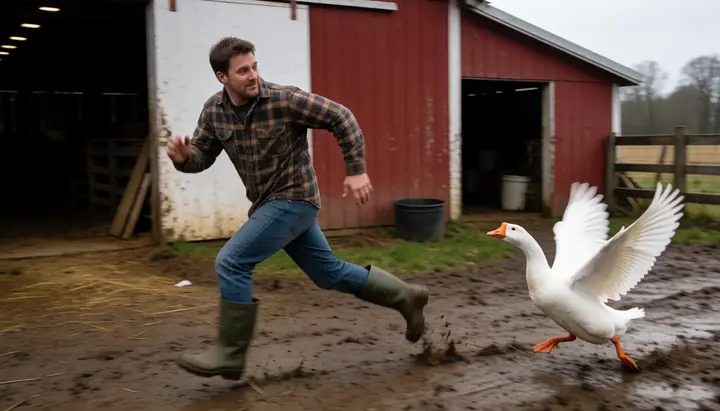
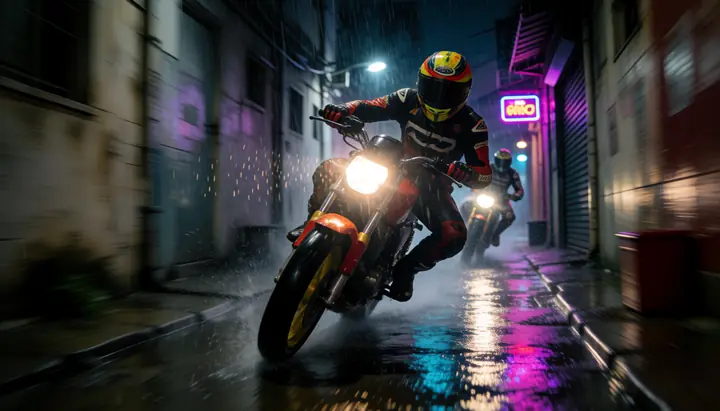
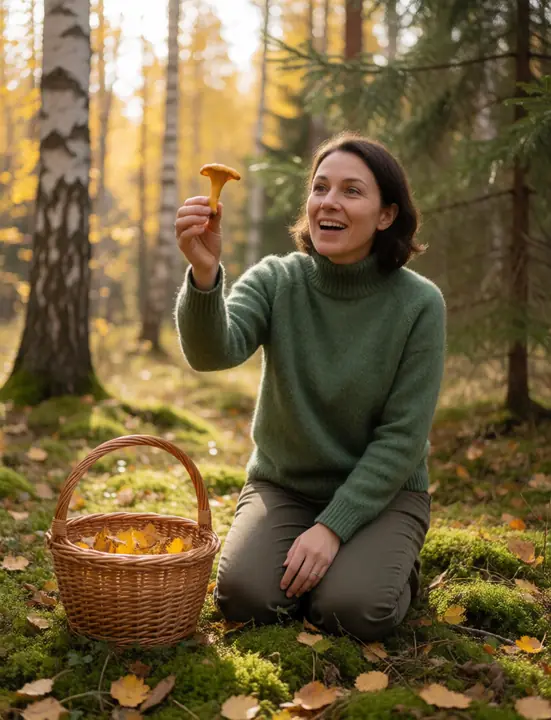
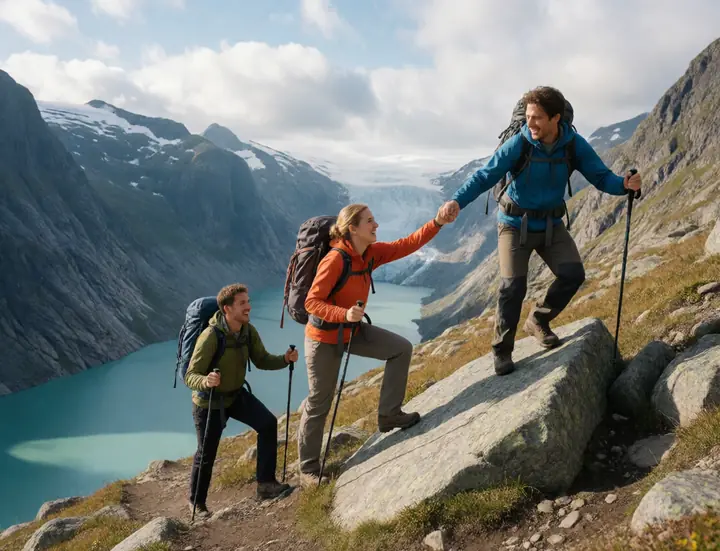
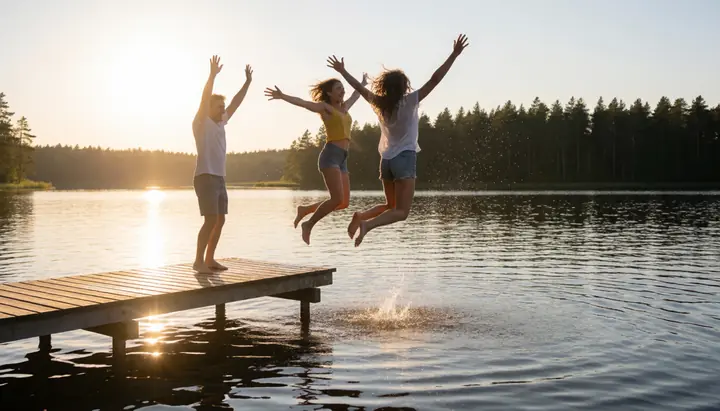
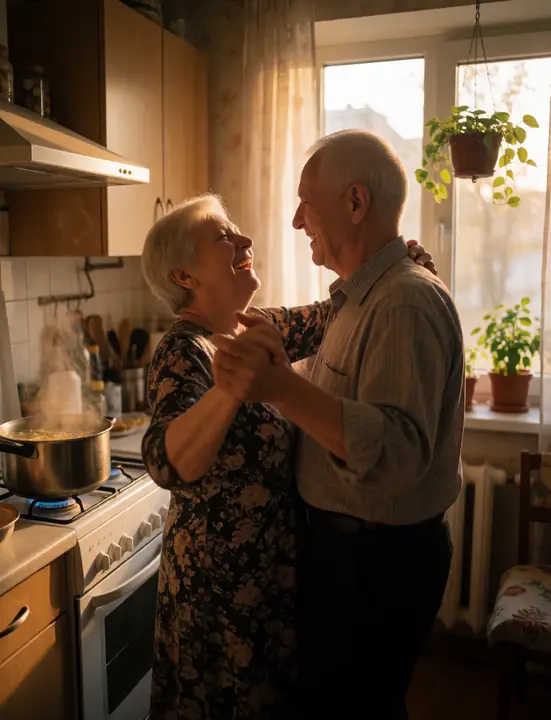
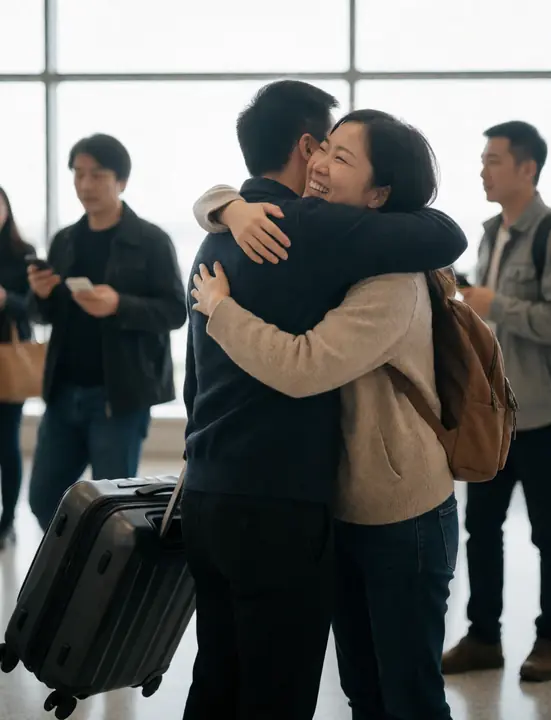
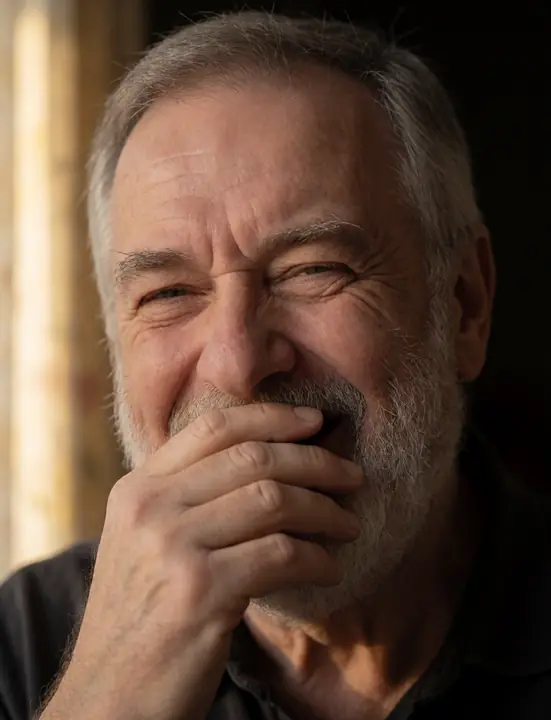
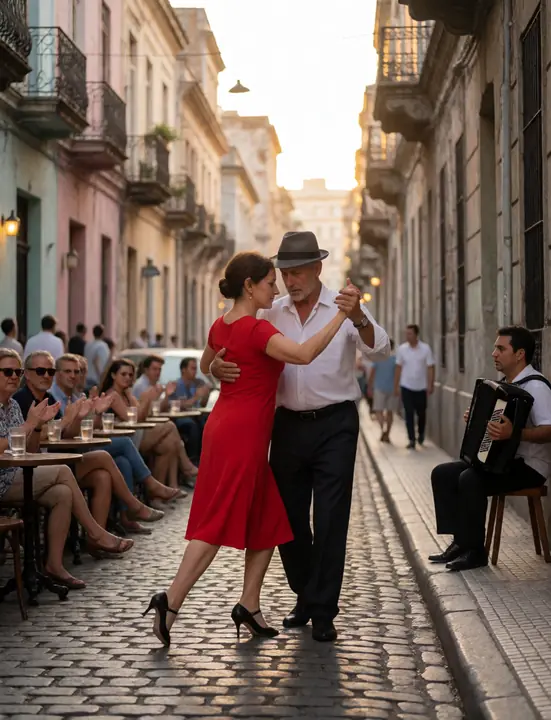
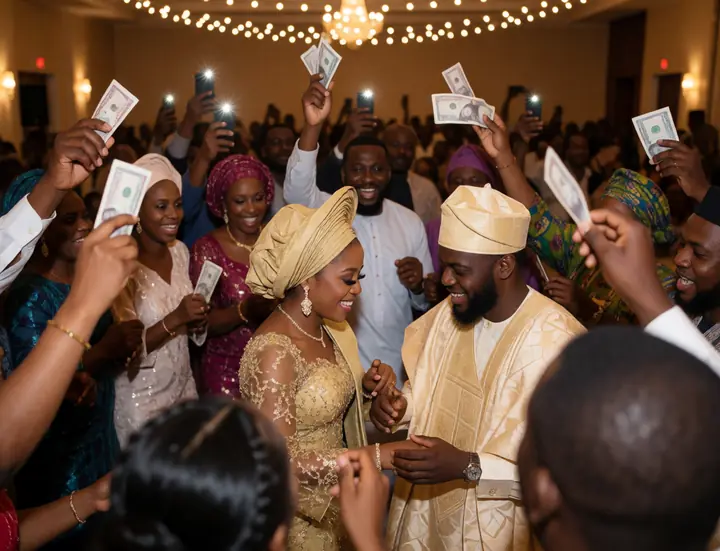
For personal and commercial work. If a later version ever has a price, version 1 stays free to download.
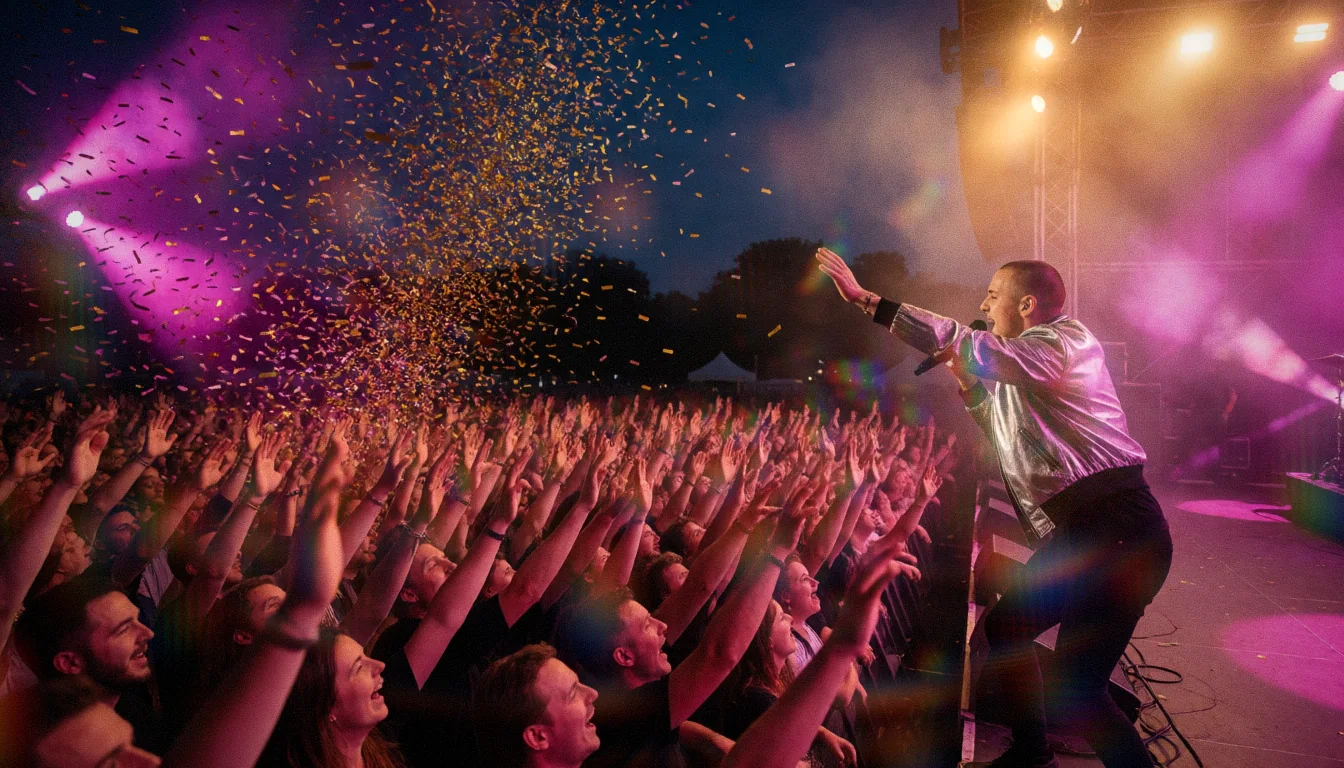
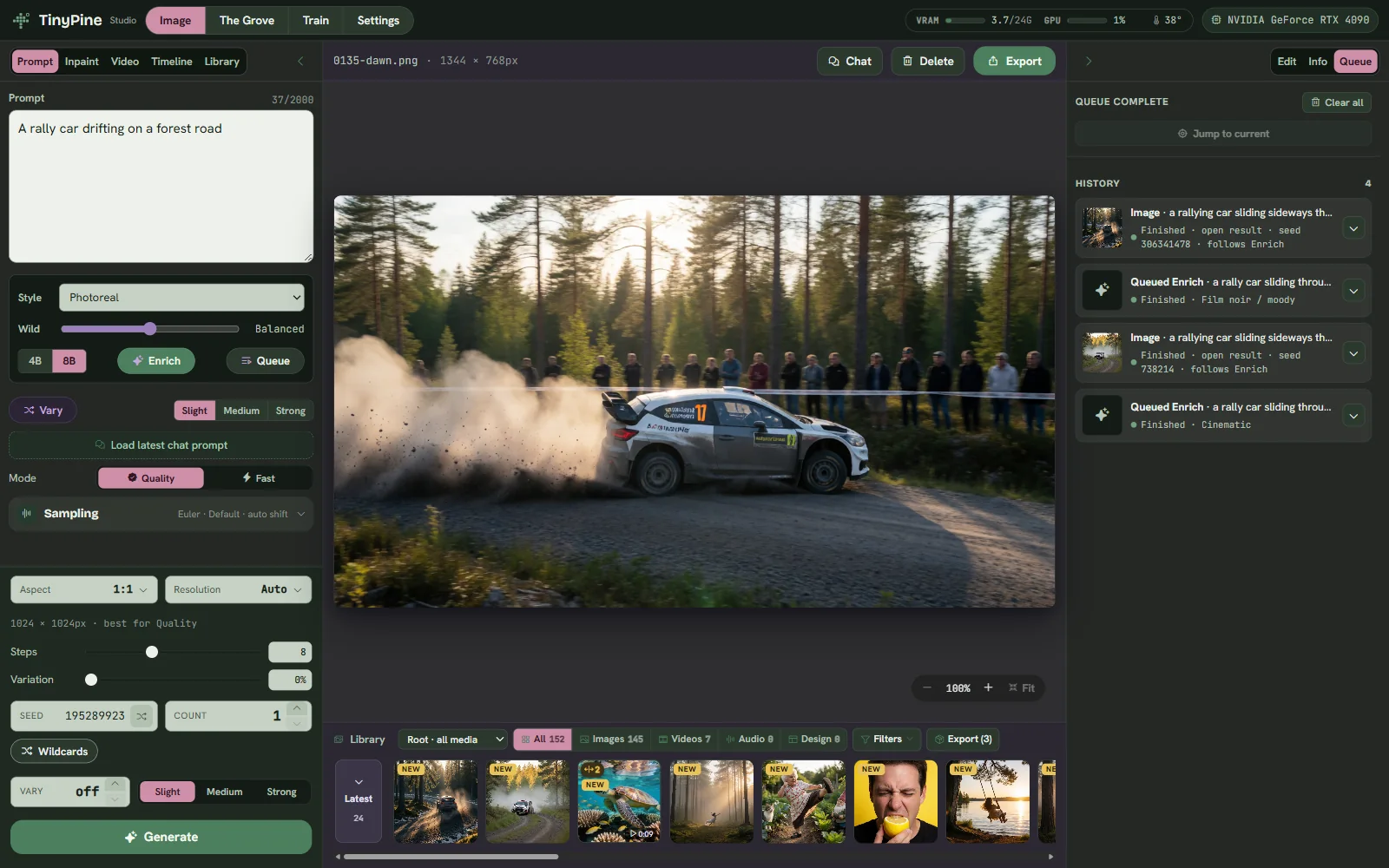
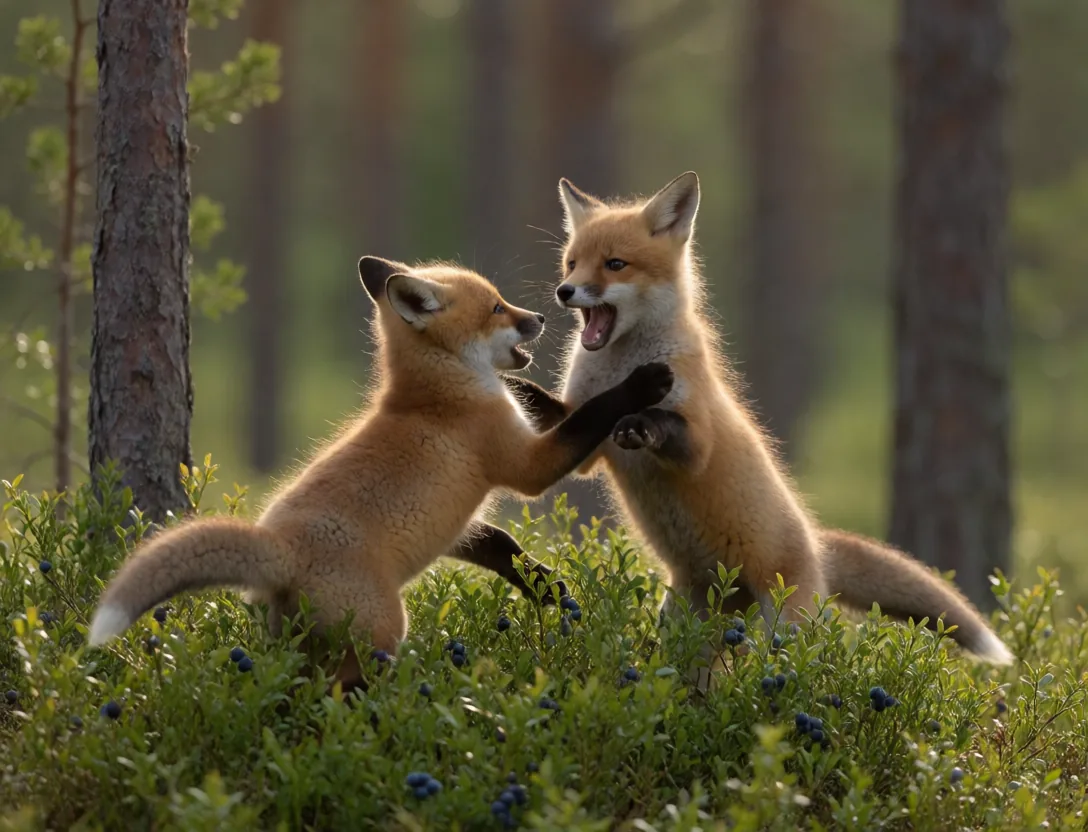
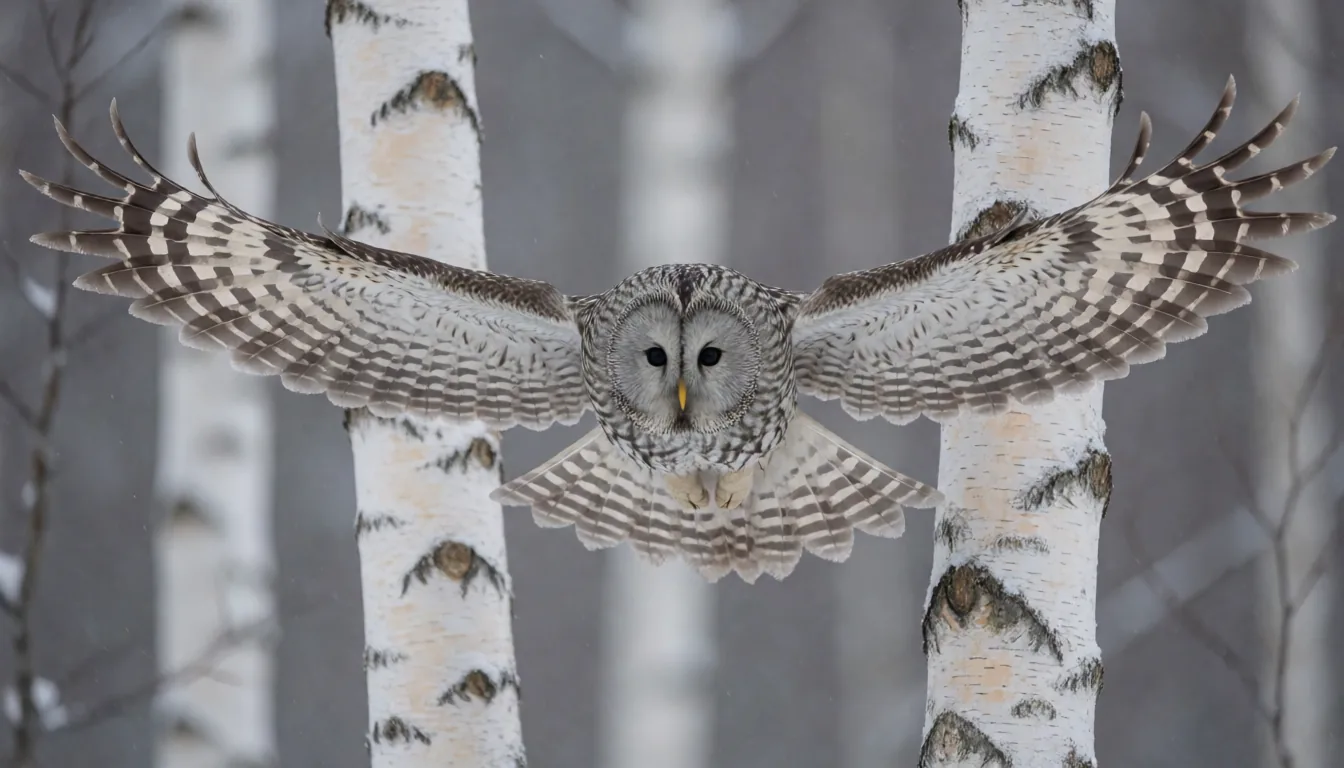
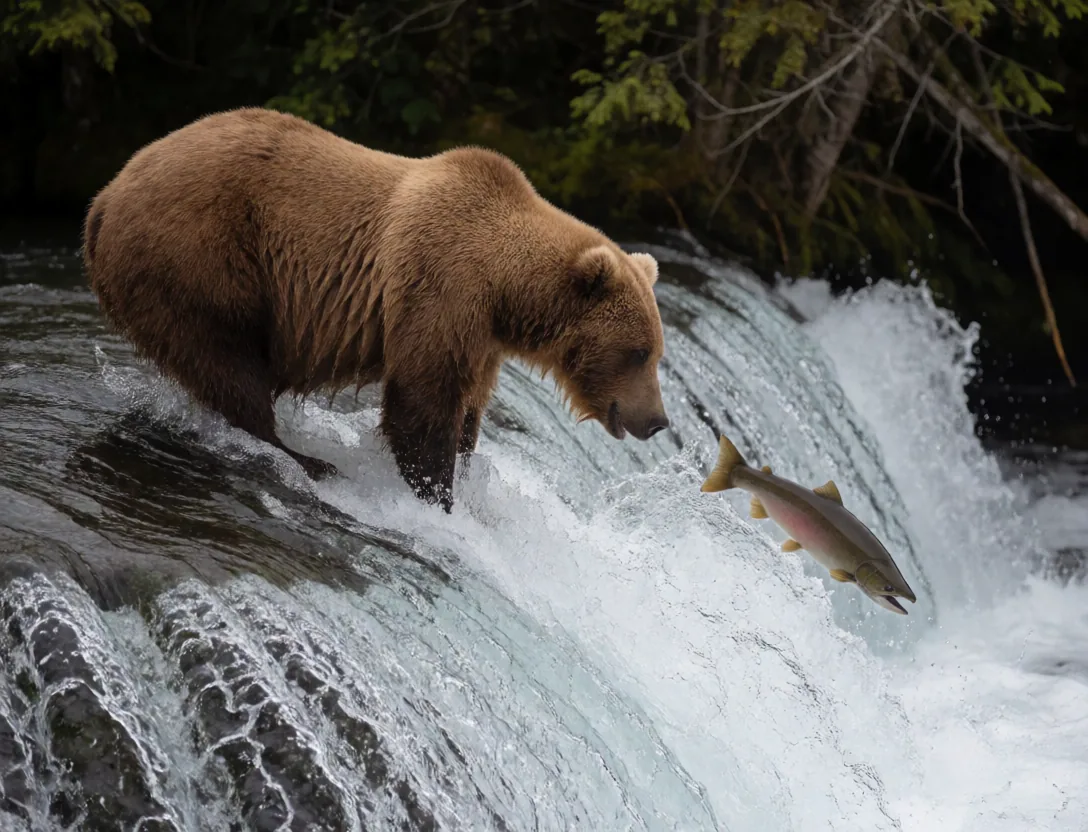
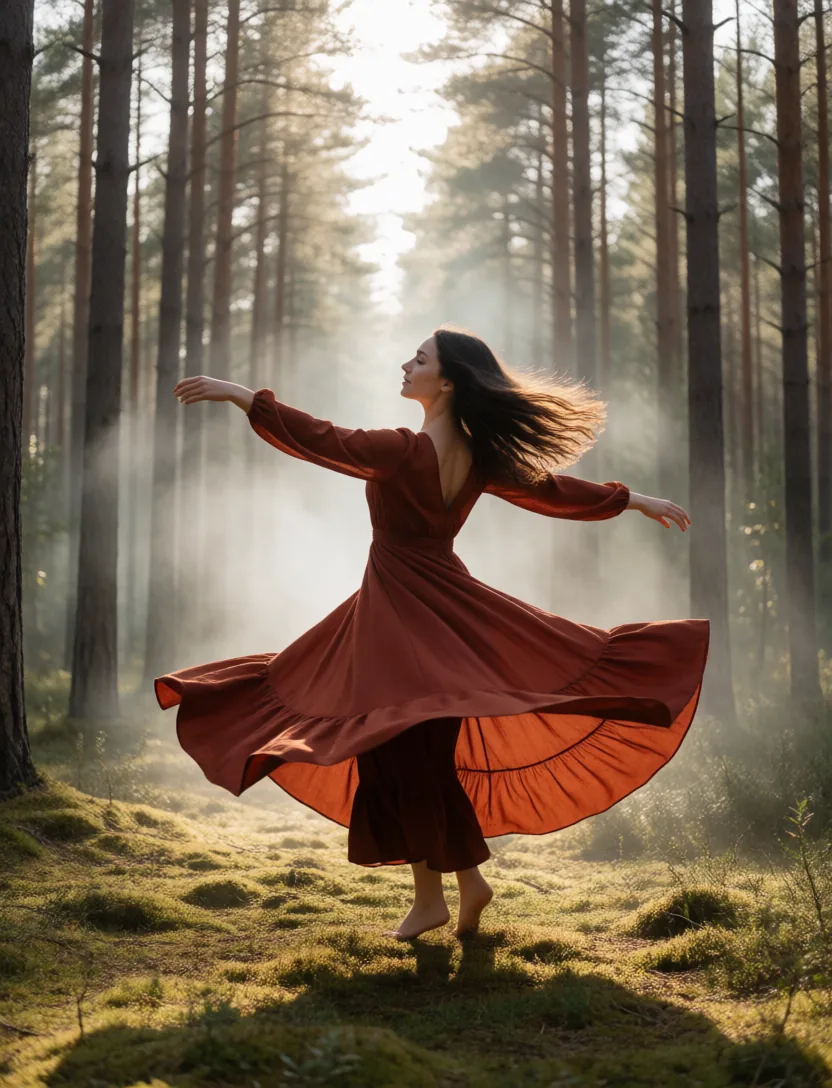
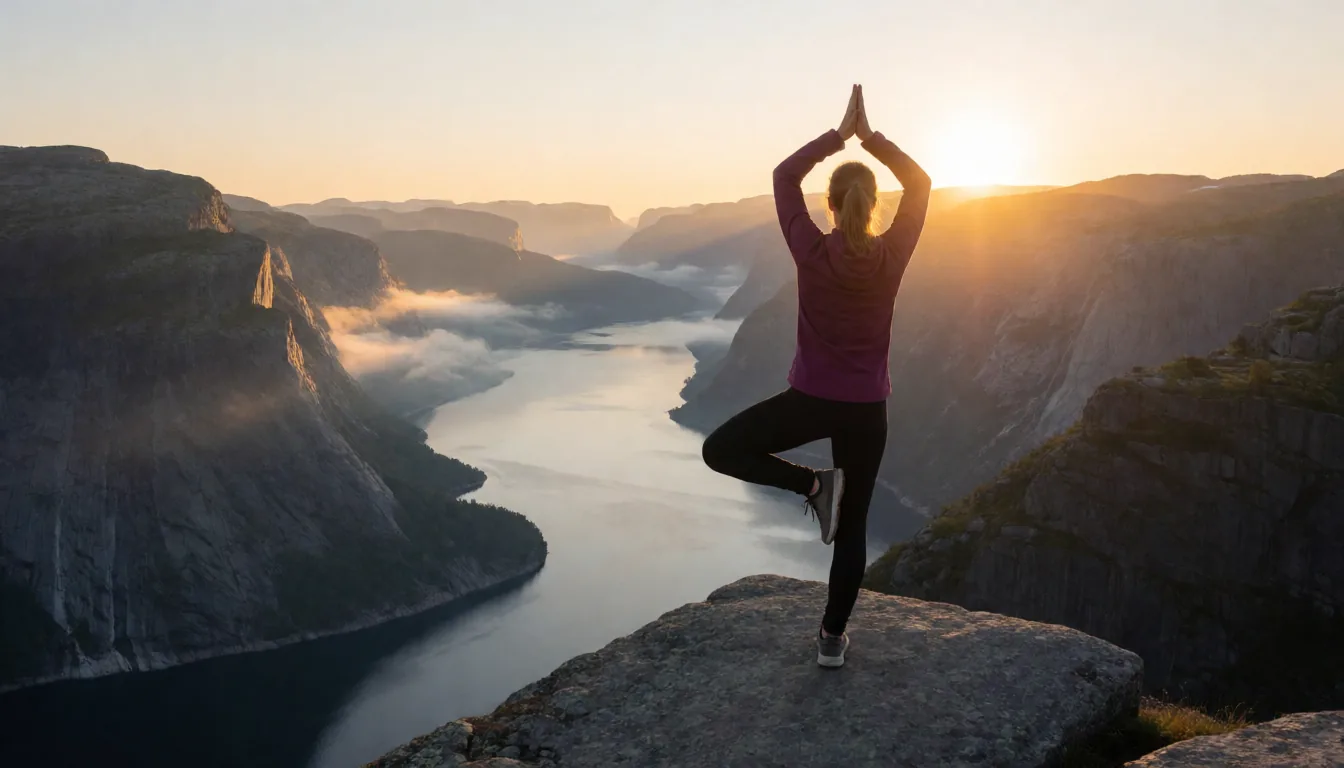
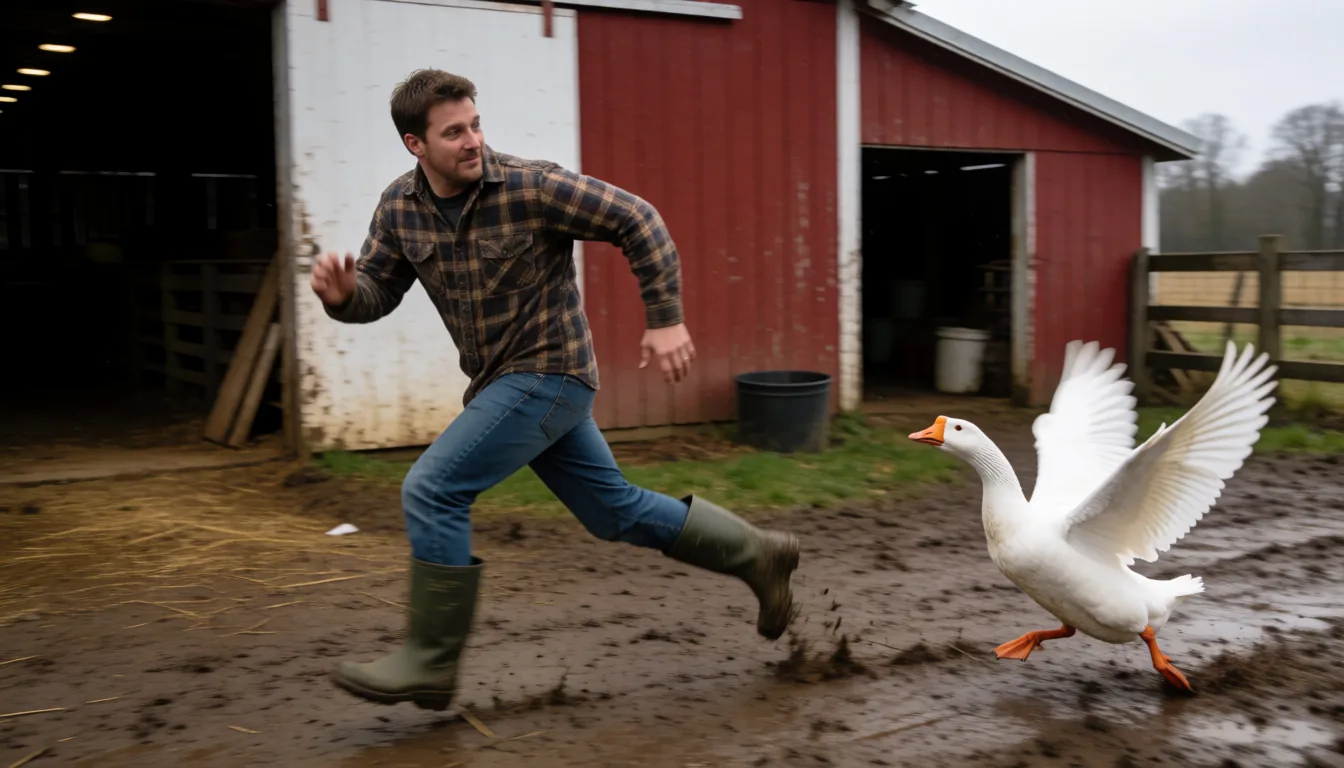
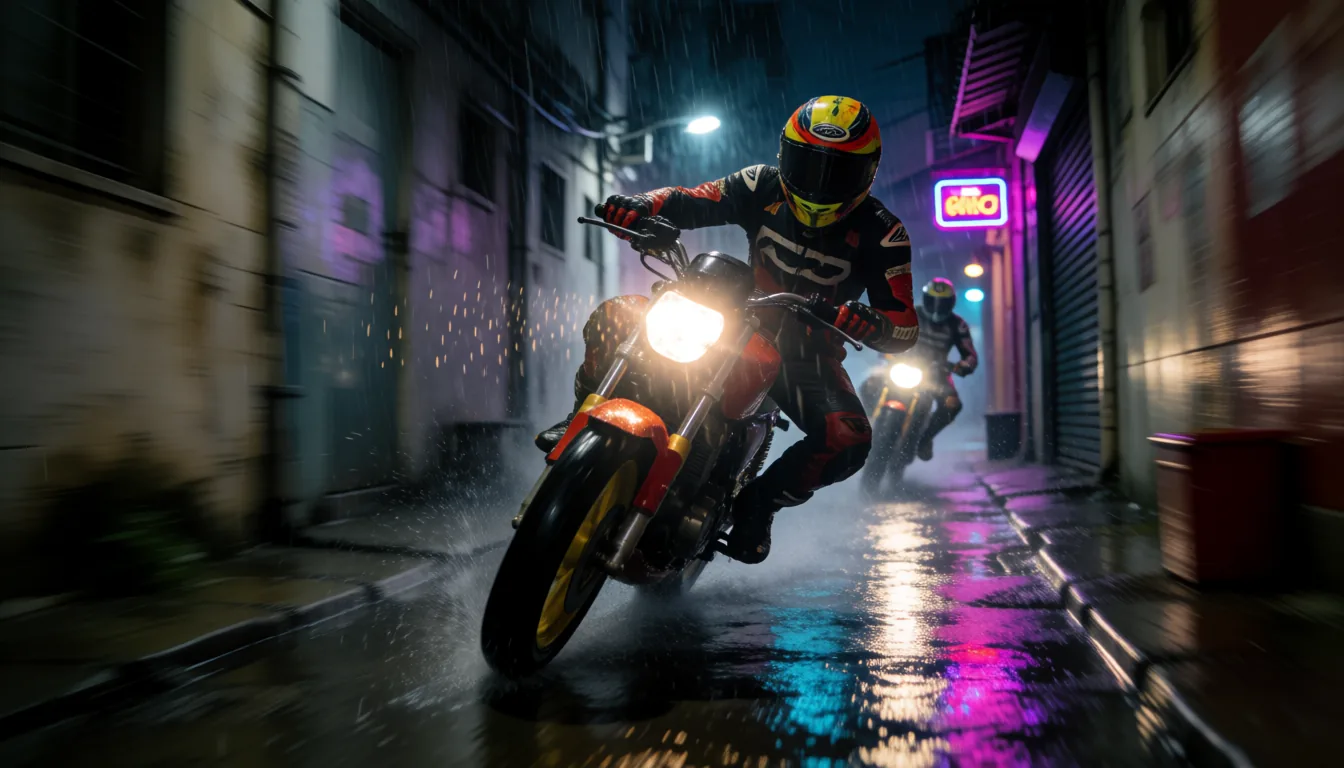
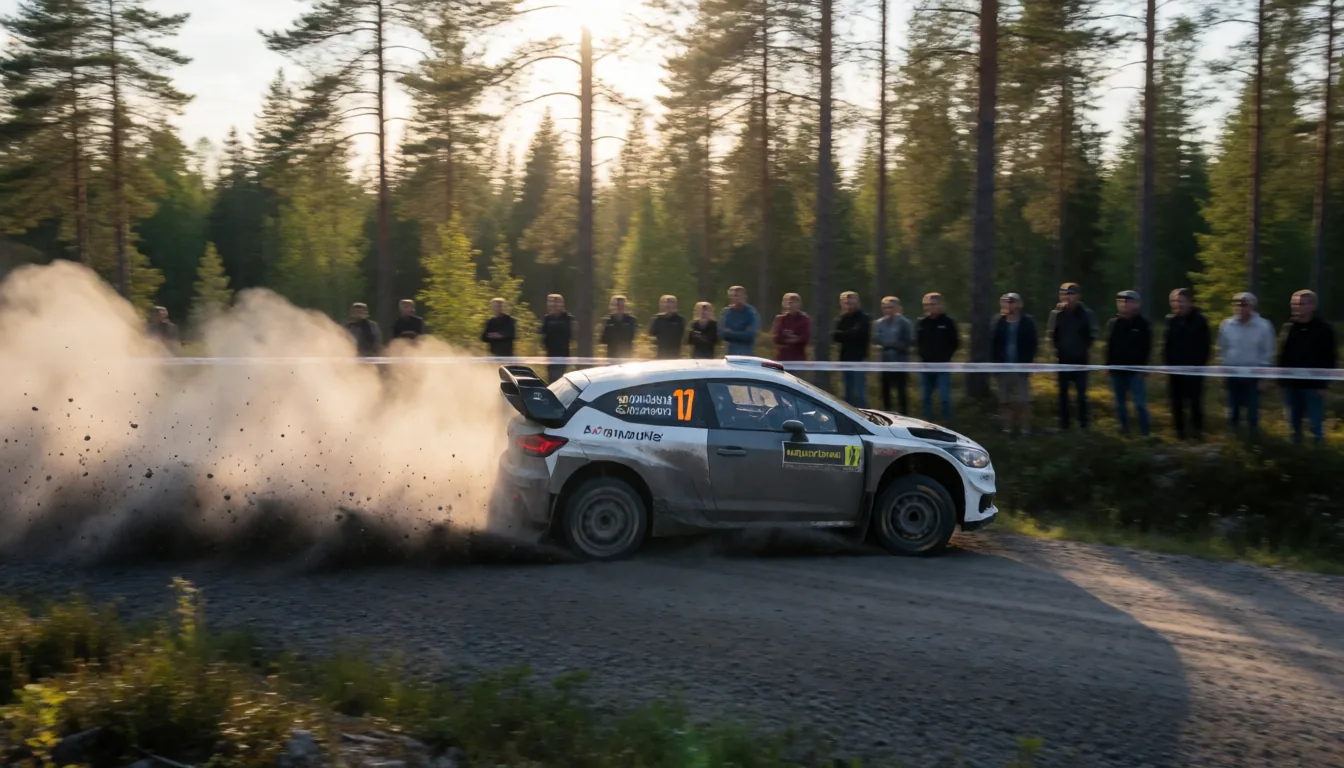
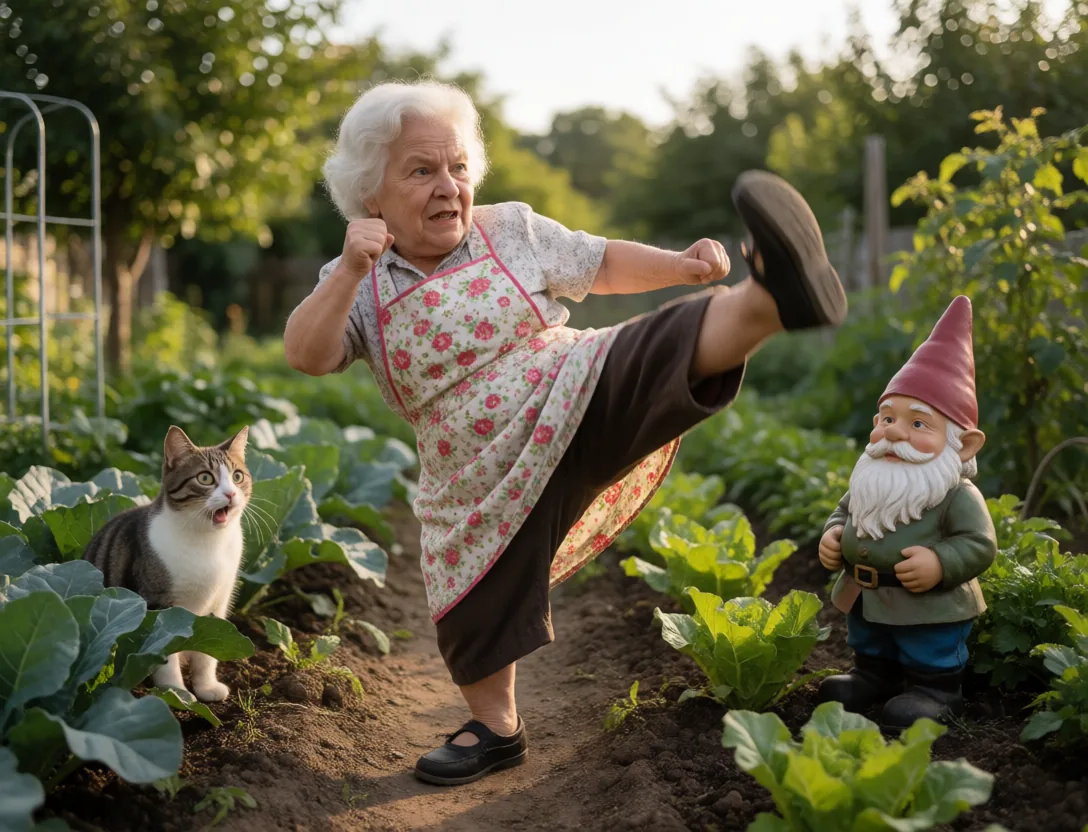
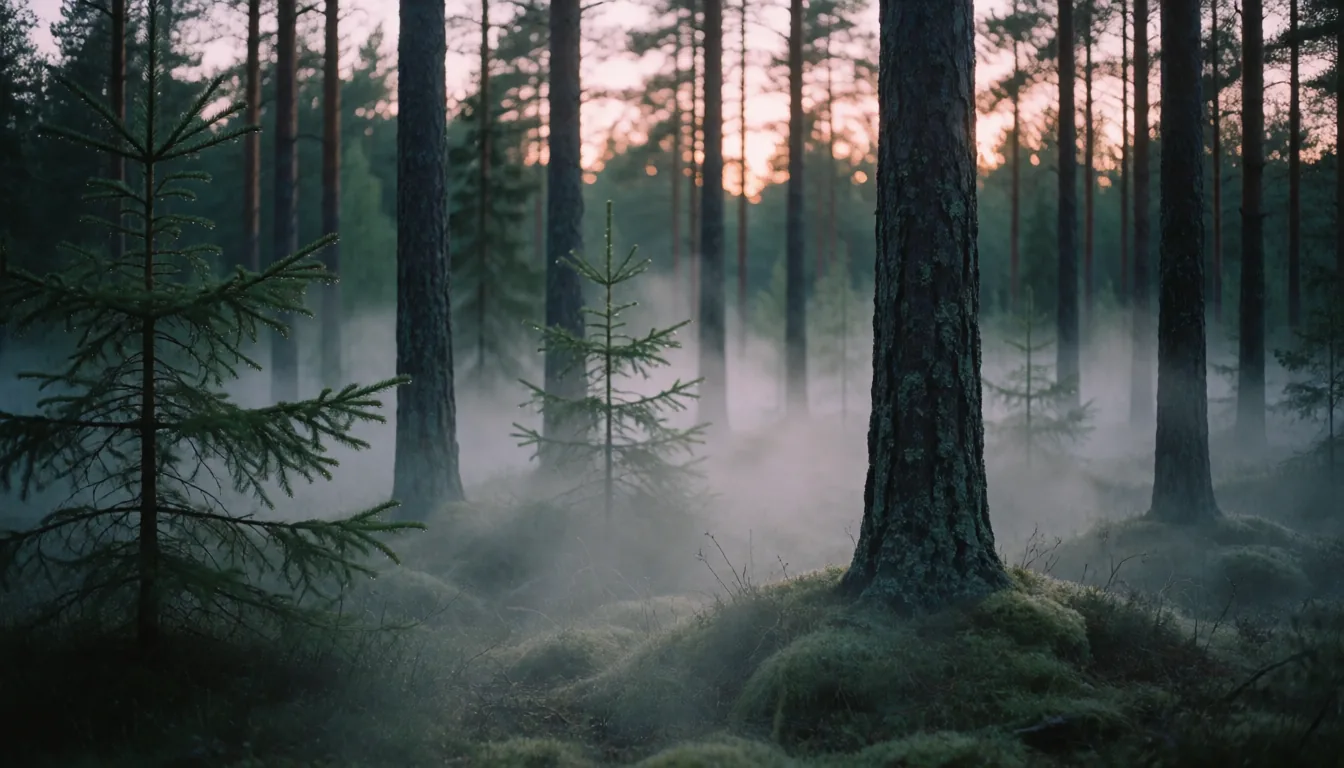
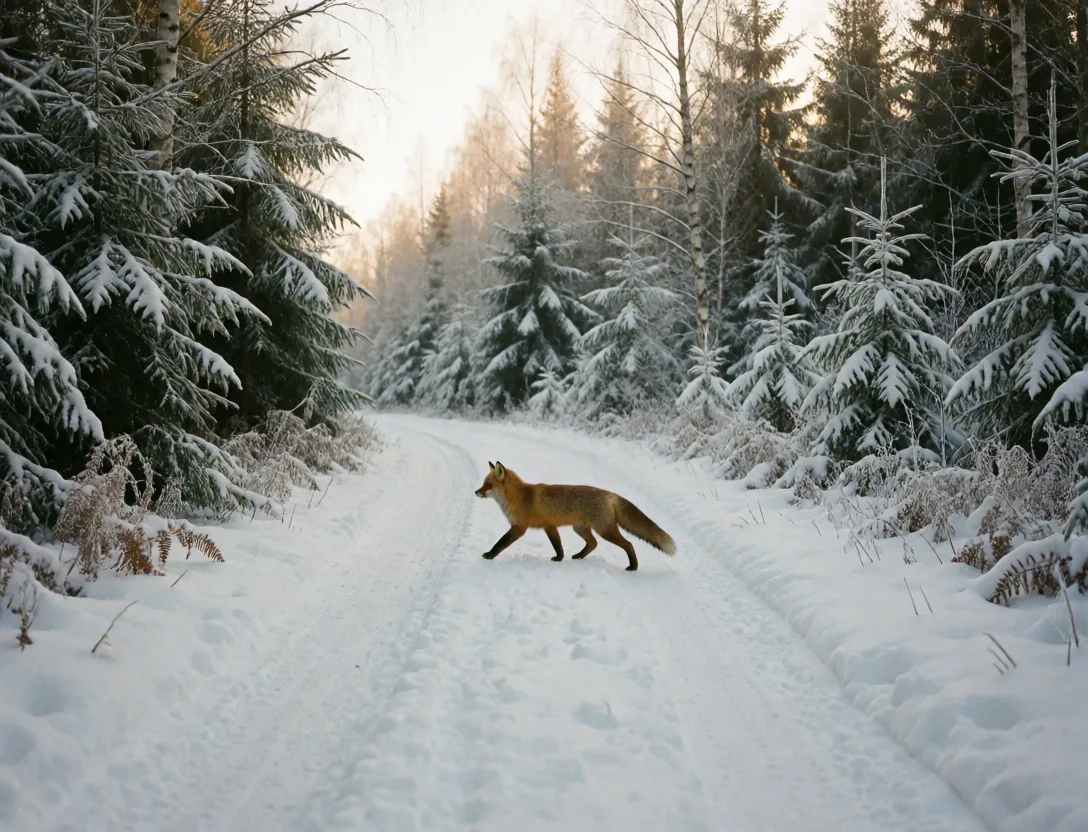
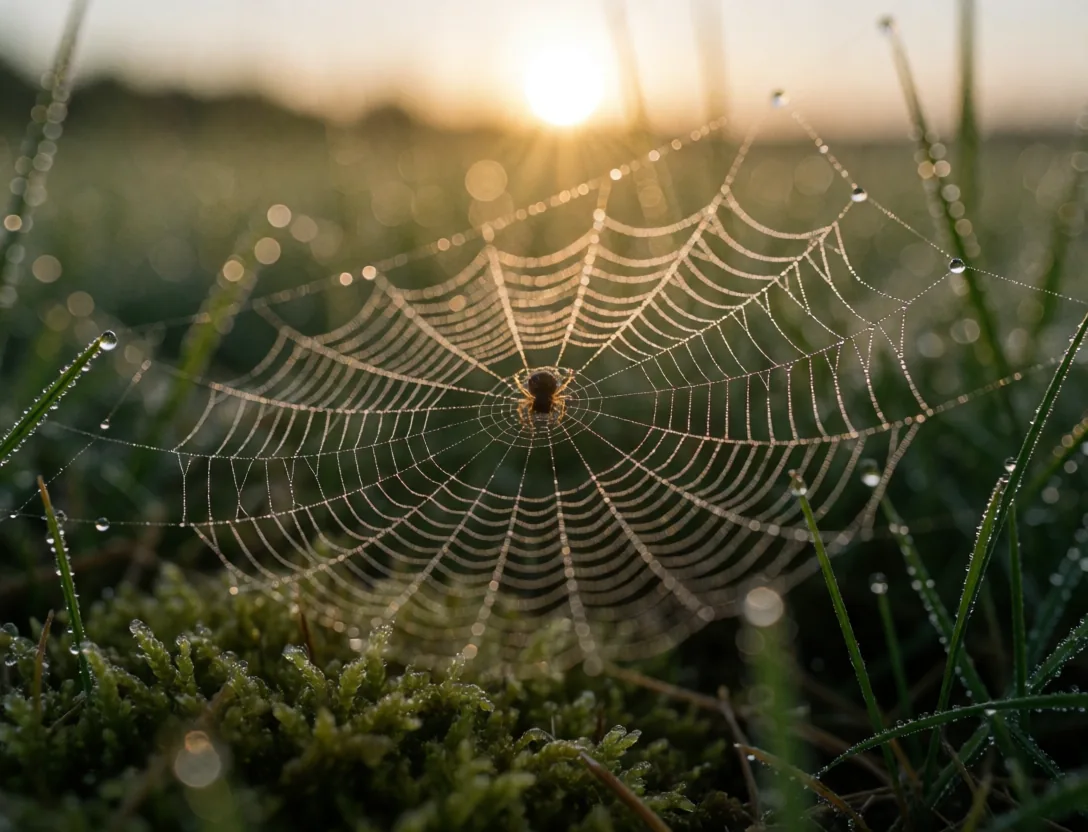
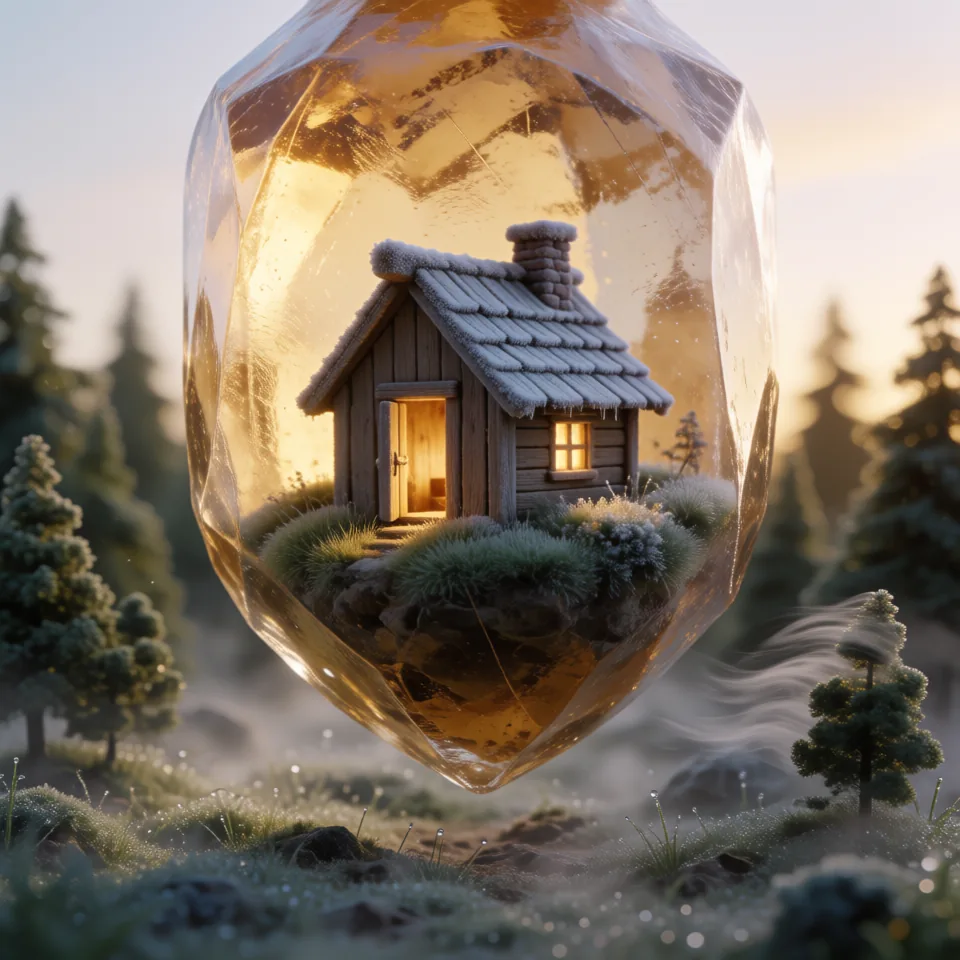
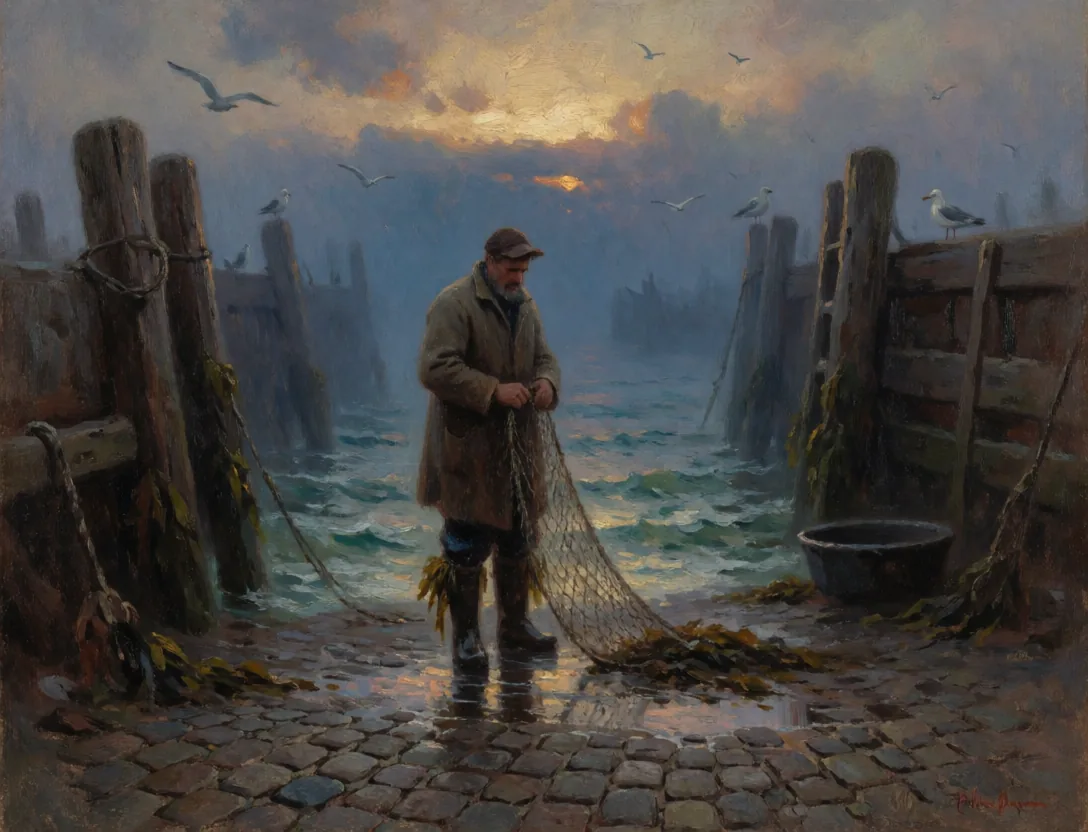
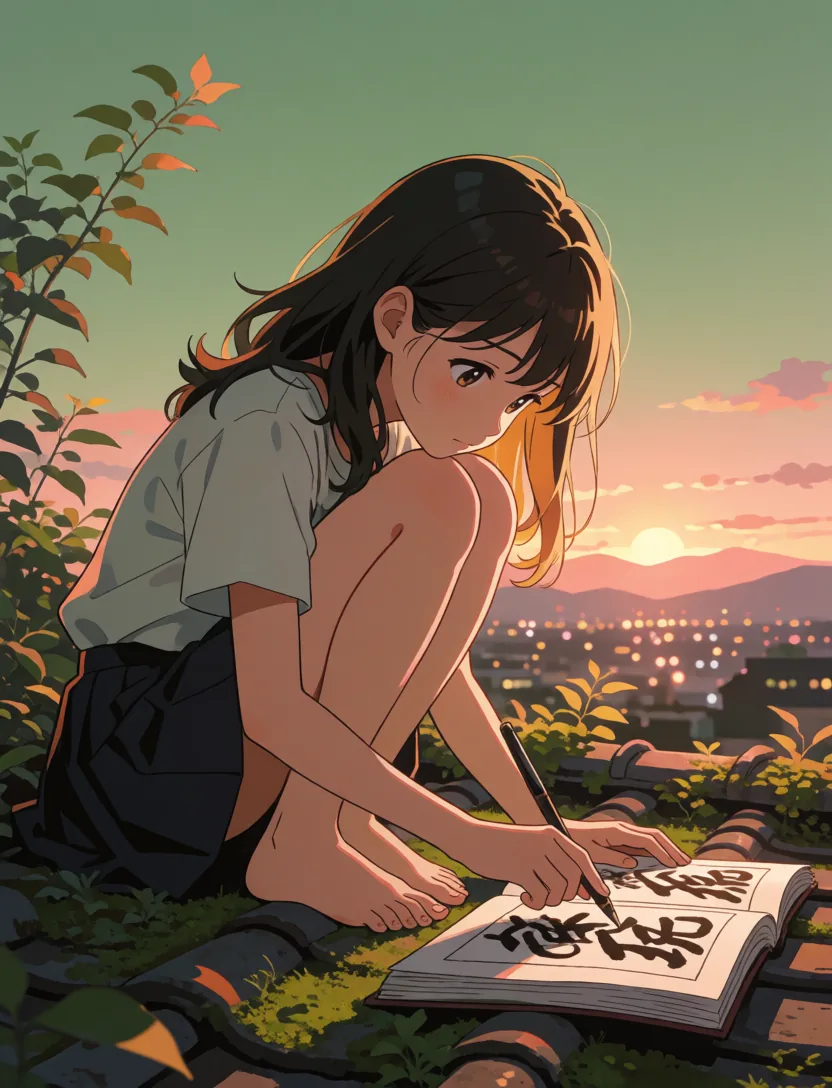
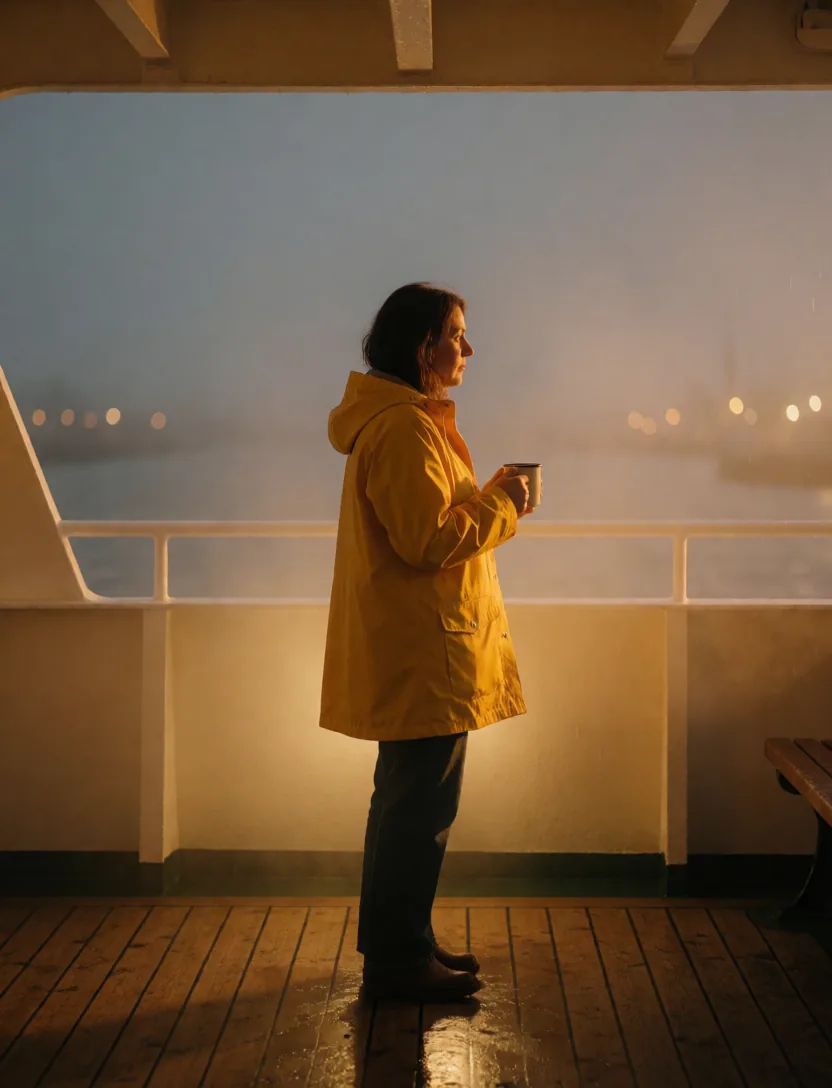
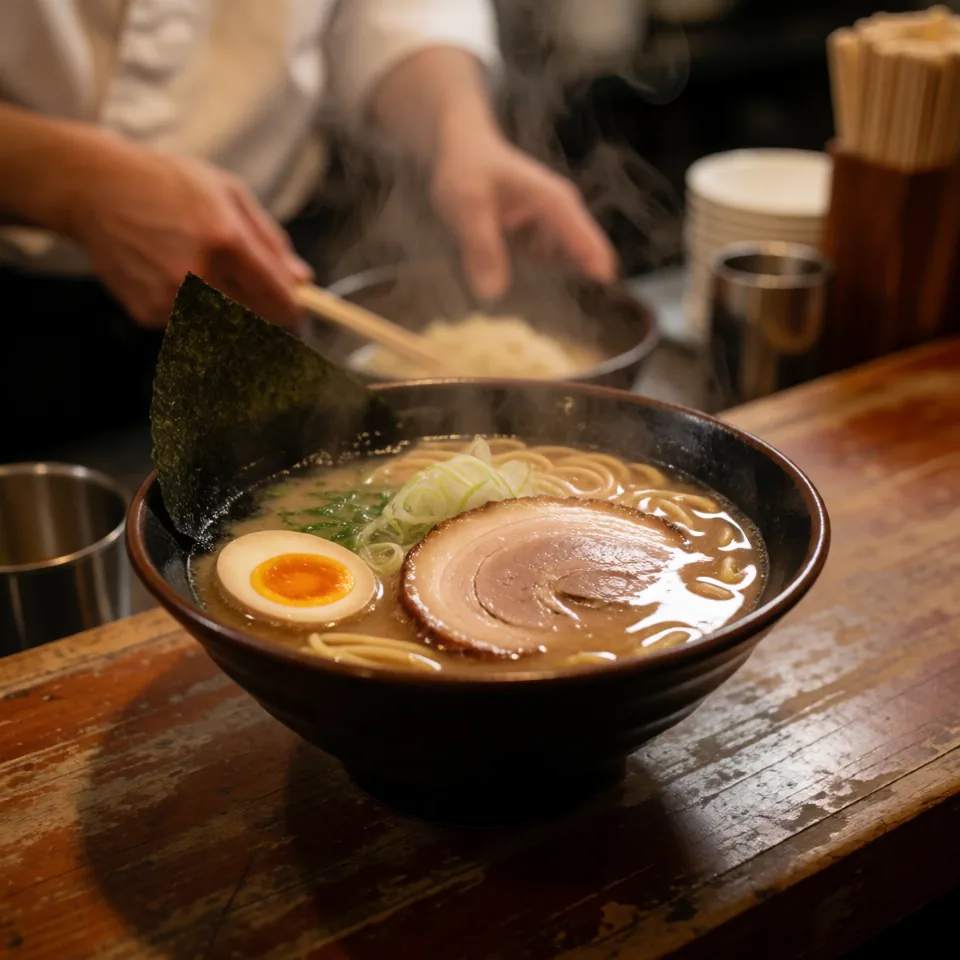
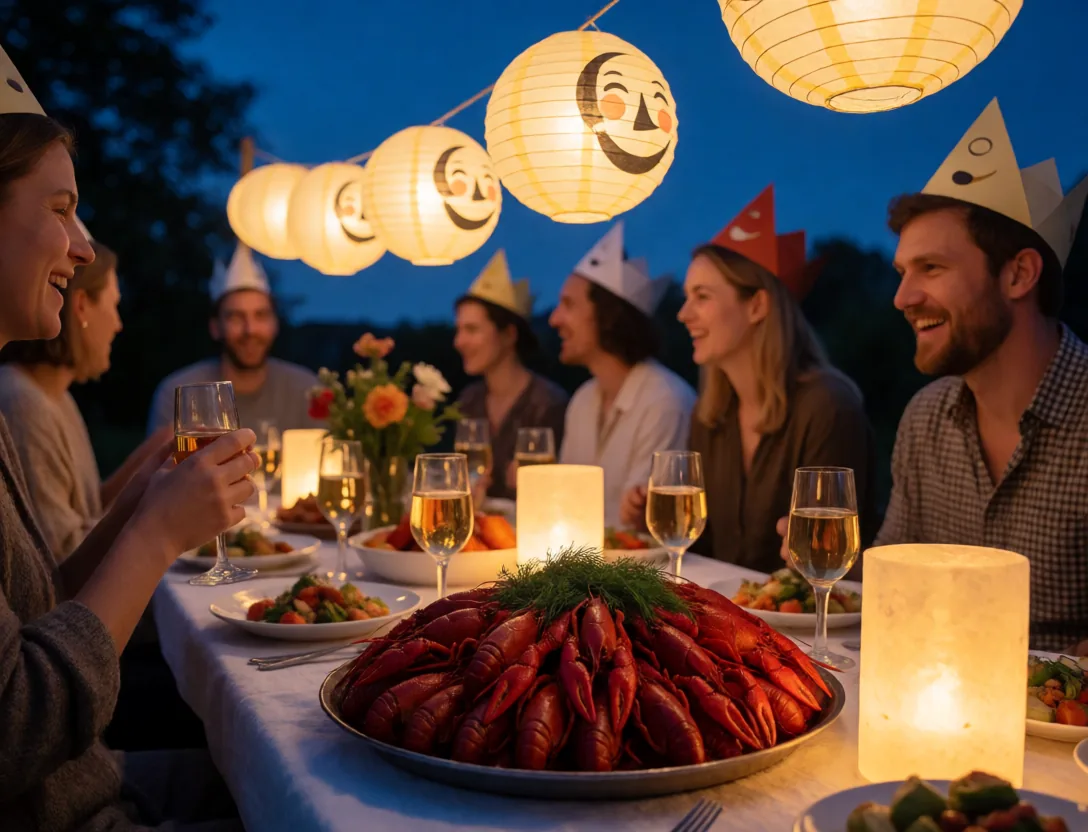
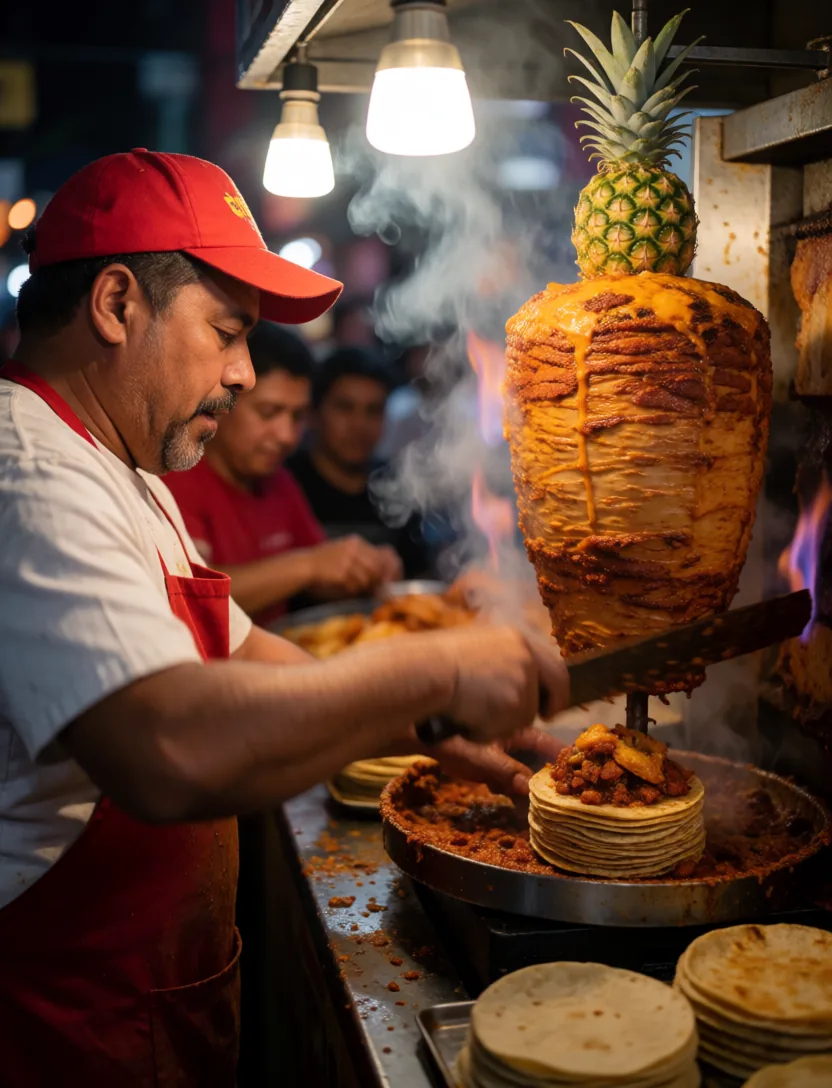
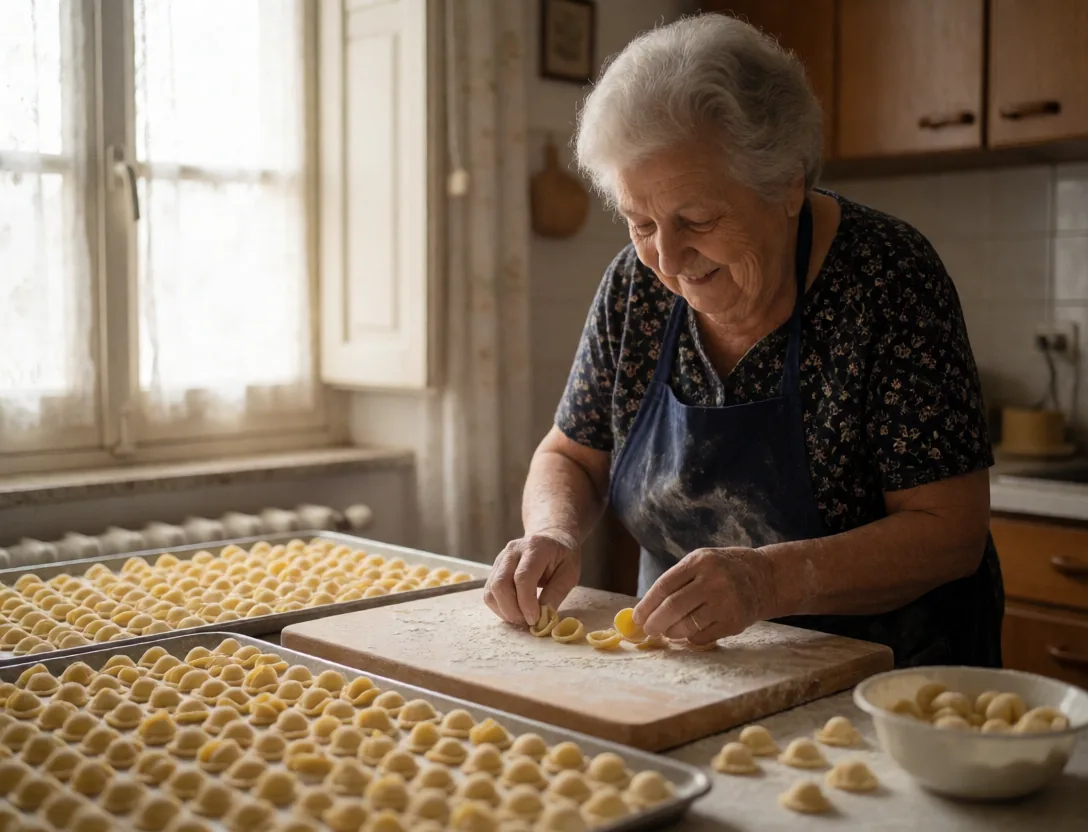
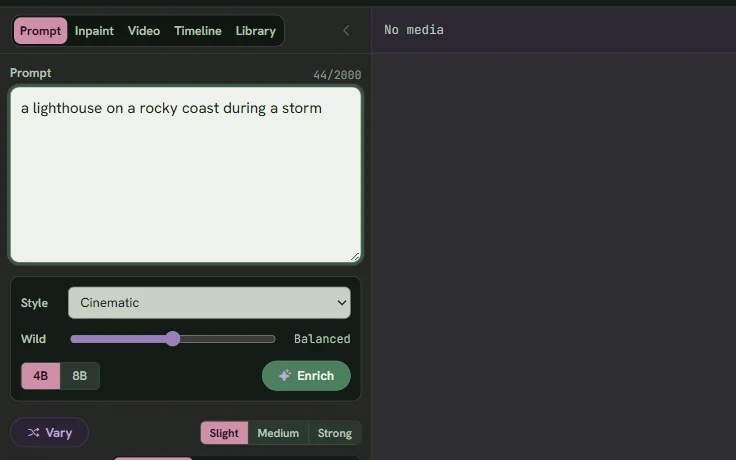
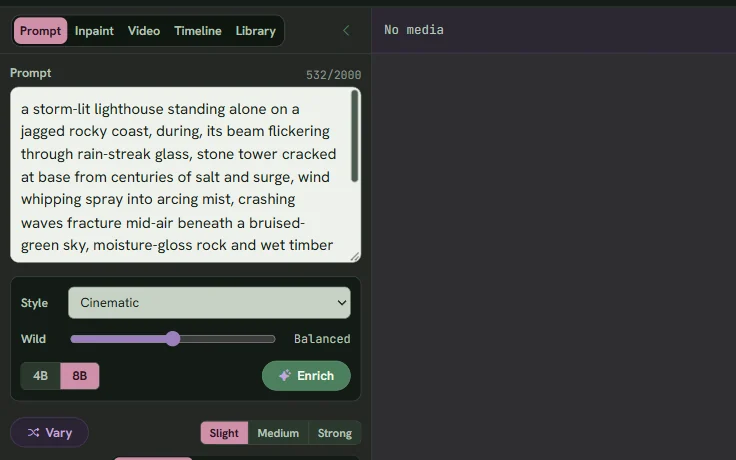
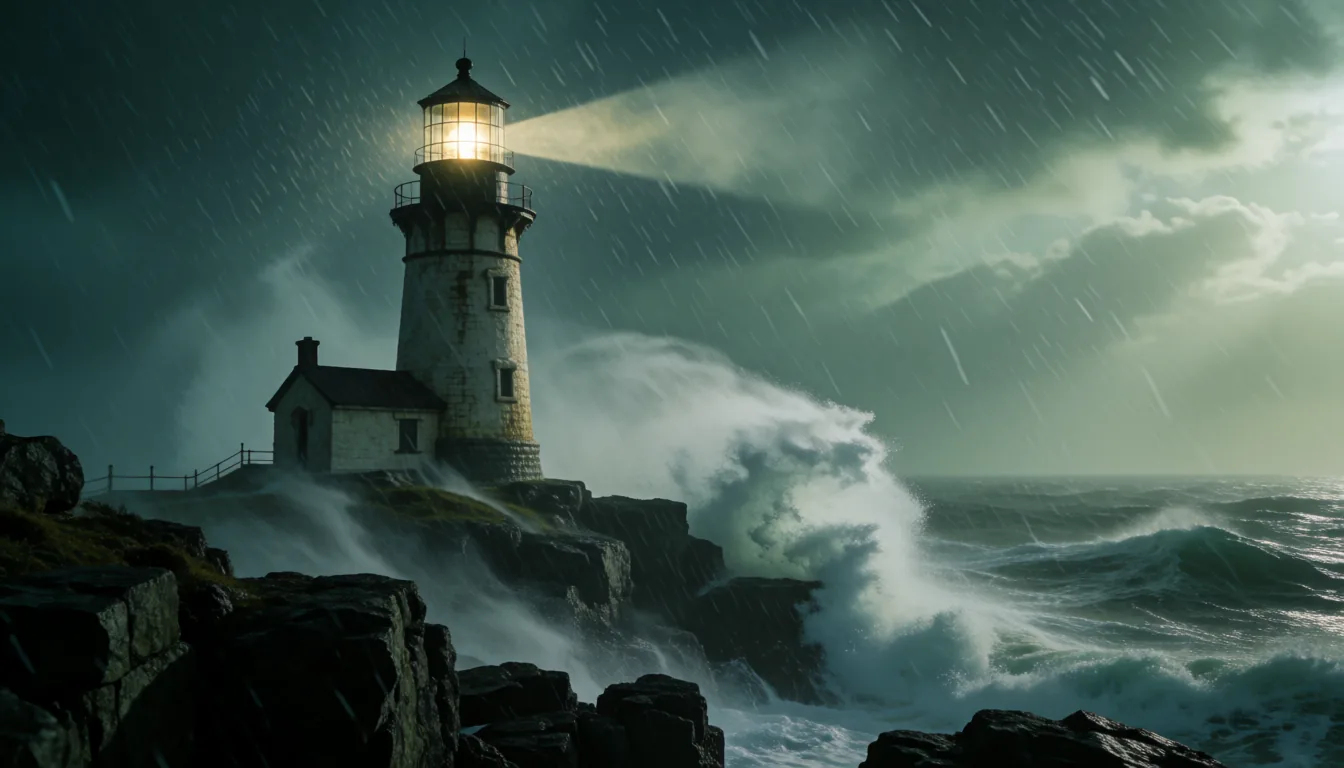
A local language model with 26 styles and a dial from Faithful to Wild. It can also look at an image and talk it through with you. Each example is a real run: the line, what Assist wrote, and what Krea 2 made of it.
“
Assist · Portrait
waiting for the promptTinyPine ships a short, fixed set of models, and every part of the app is written for how each of them behaves. There are no versions to match, no nodes to wire and no settings to hunt for, which keeps it stable and simple.
Assist is built on Qwen3-VL, the same model family Krea 2 reads prompts with, and it writes in the order Krea 2 follows best: the subject first, then style, light and setting.
Sampler, schedule and shift are written for Krea 2's flow-matching schedule, with their own defaults for Quality and Fast and one click back to them.
Every resolution tier was measured with LoRAs loaded and sized to stay under the memory ceiling. Krea 2's attention runs a leaner way in TinyPine, so large renders fit where the stock code ran out of memory.
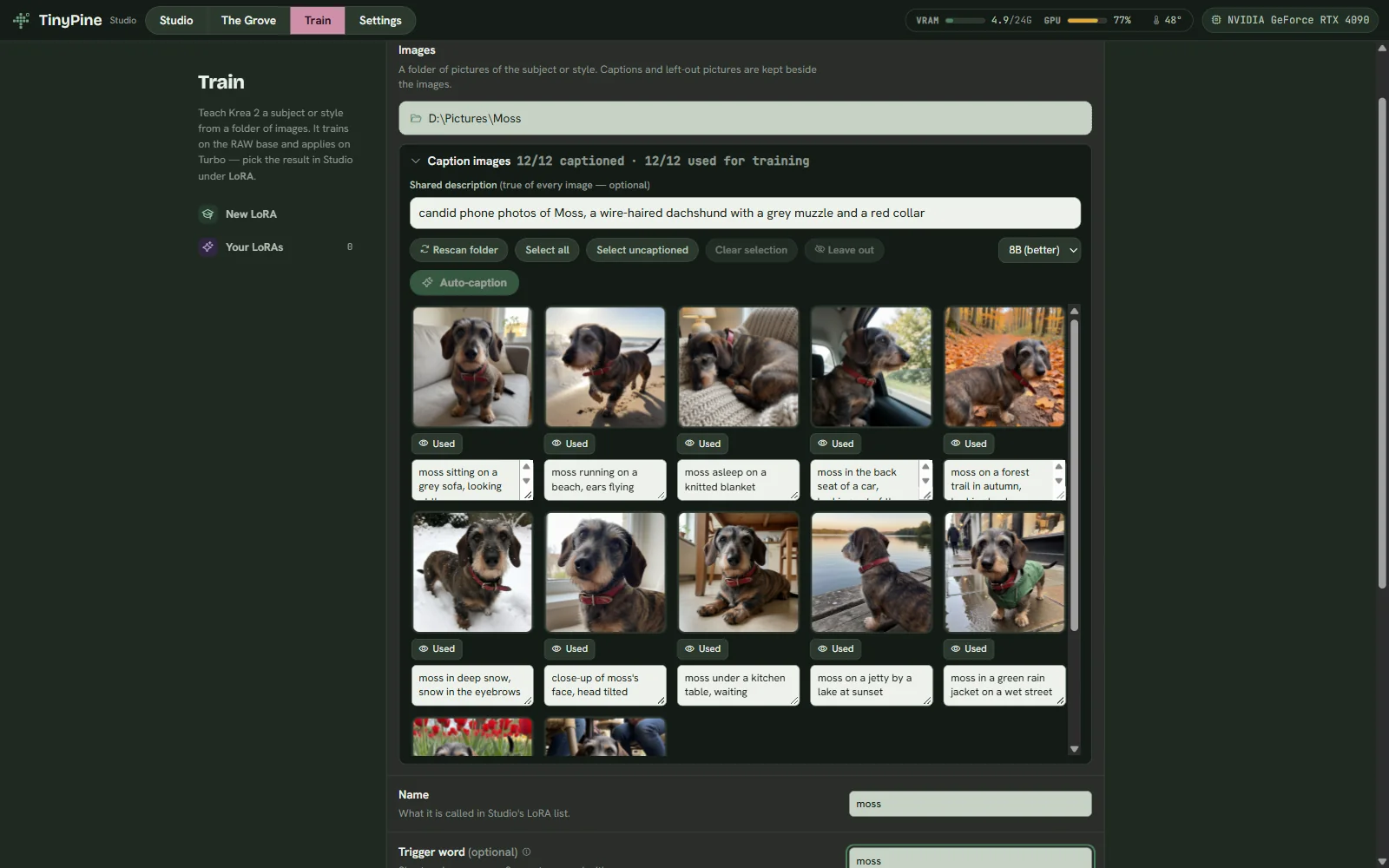
Train on Krea 2 Raw, the undistilled base, and the LoRA is applied on Turbo, the model you render with. You pick the checkpoint from its sample image.
Extend gives LTX-2.5 the clip's own last frames as the start of the next part, and the app blends the seam, so the motion carries on.
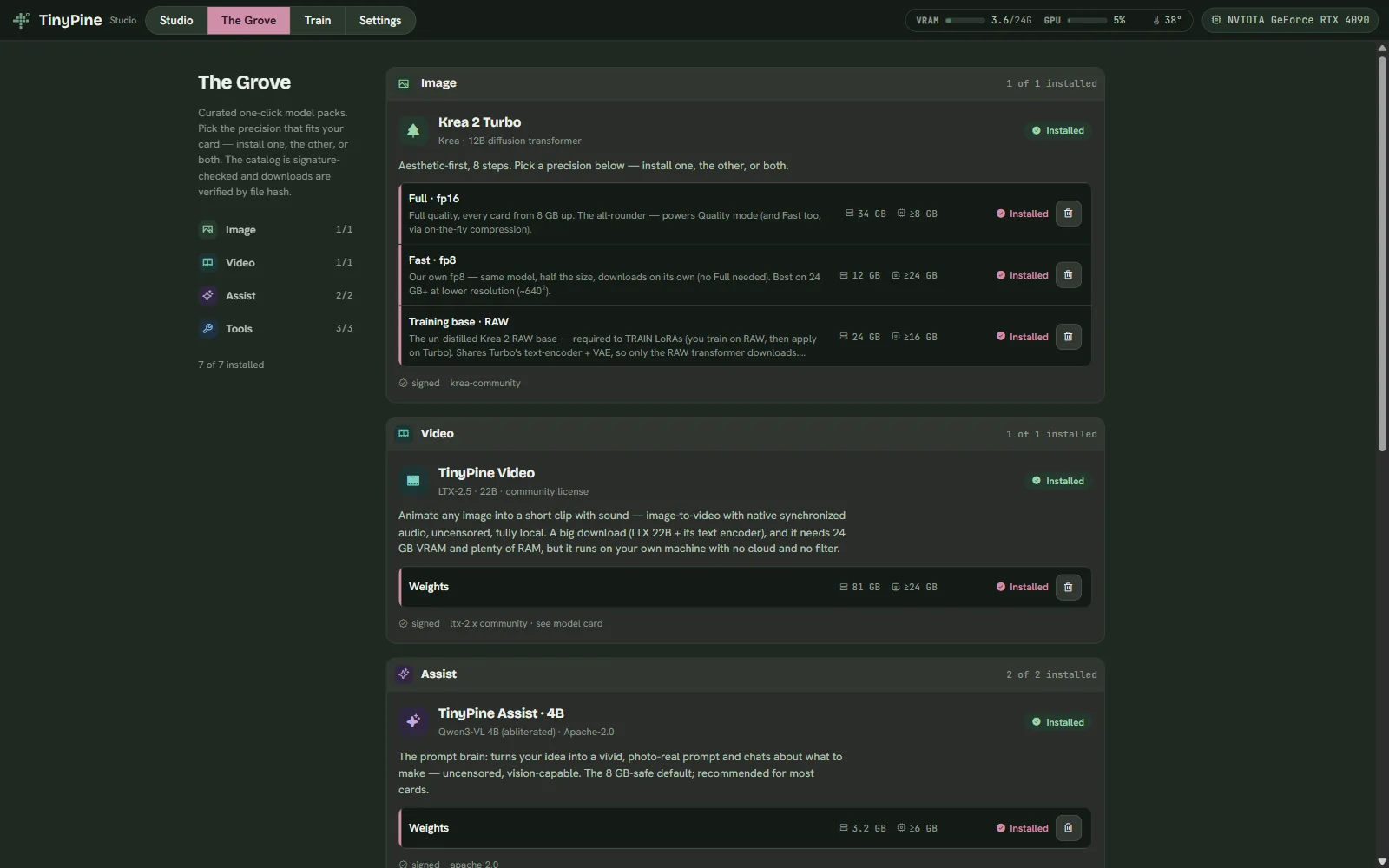
Each model installs from a signed catalog in the precision that suits your card, hash-checked as it downloads. Nothing to download by hand.
Every step is the same app, the same library and the same undo. Here is one idea taken all the way, as it plays out in TinyPine.


Write it the way you would say it. One line is enough.


Screenshots of the current build. Pick a view, or let it run.


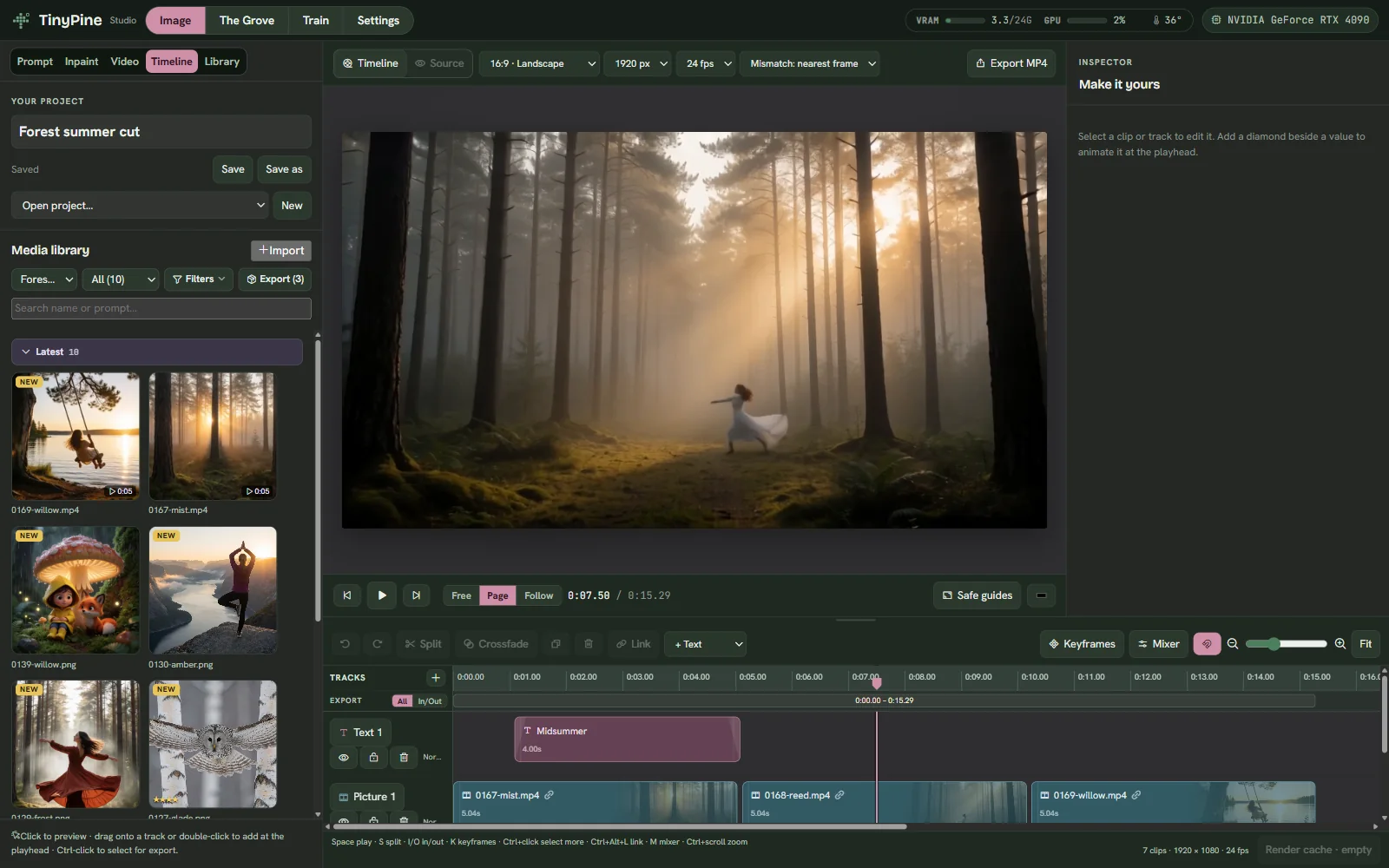
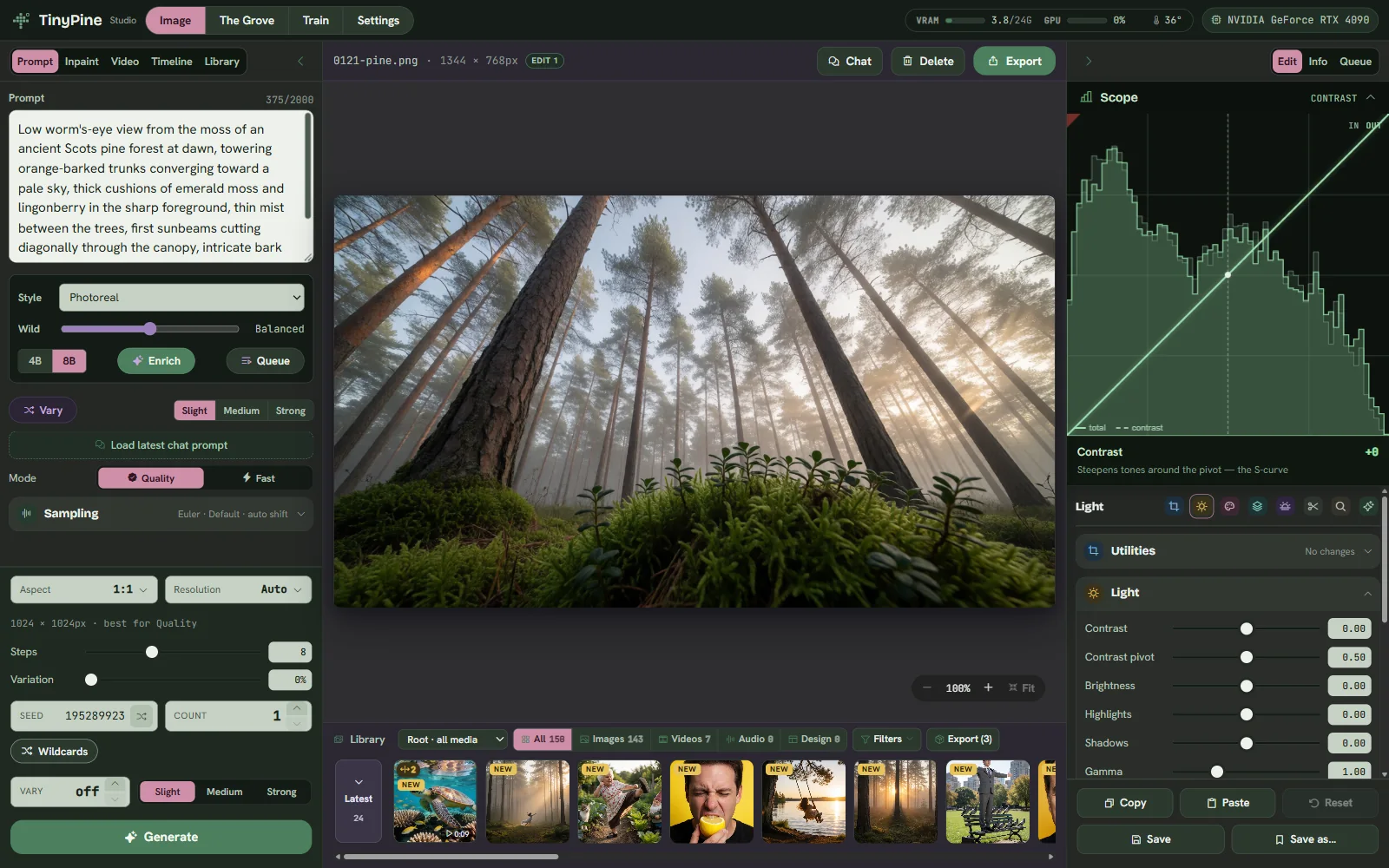
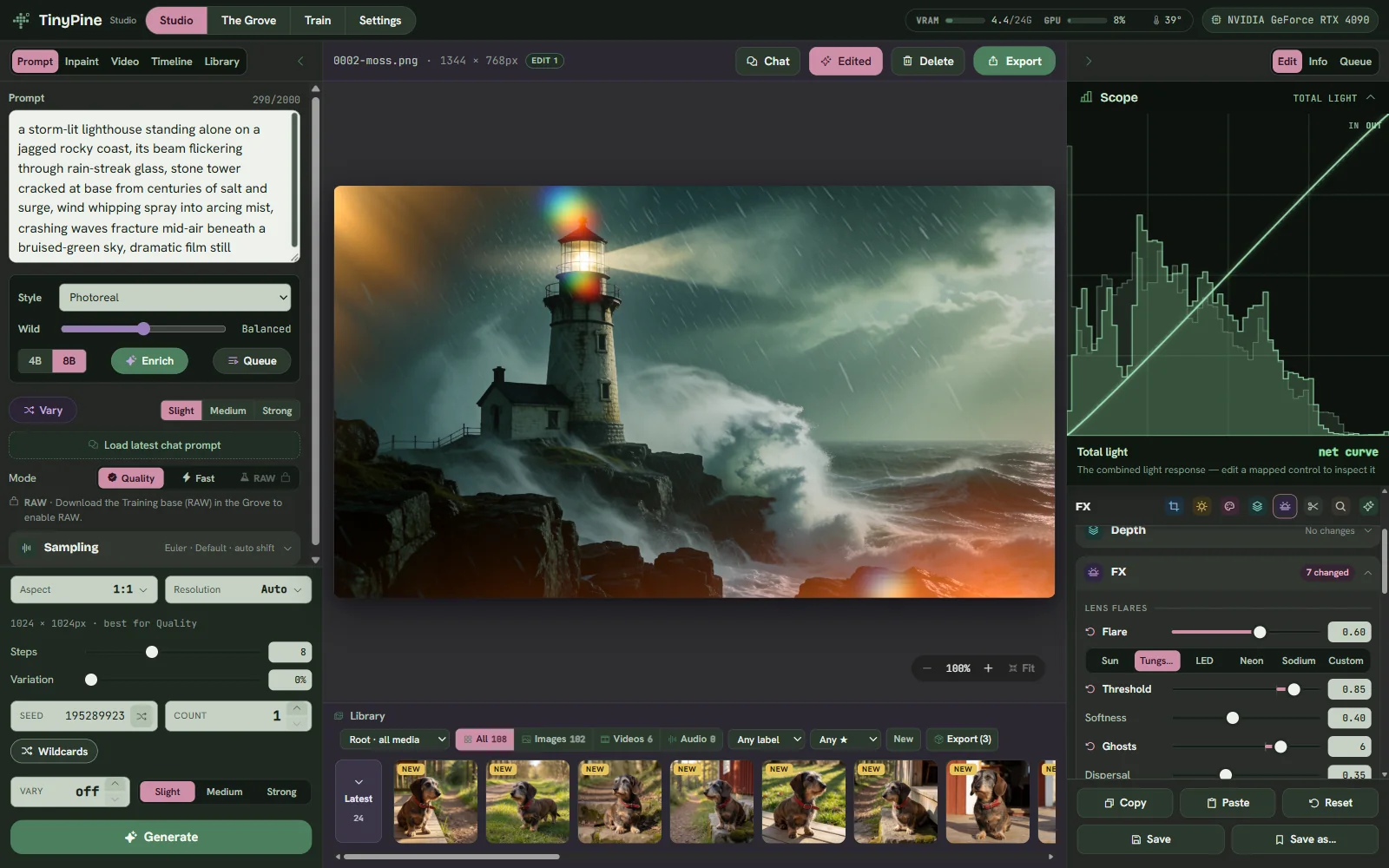
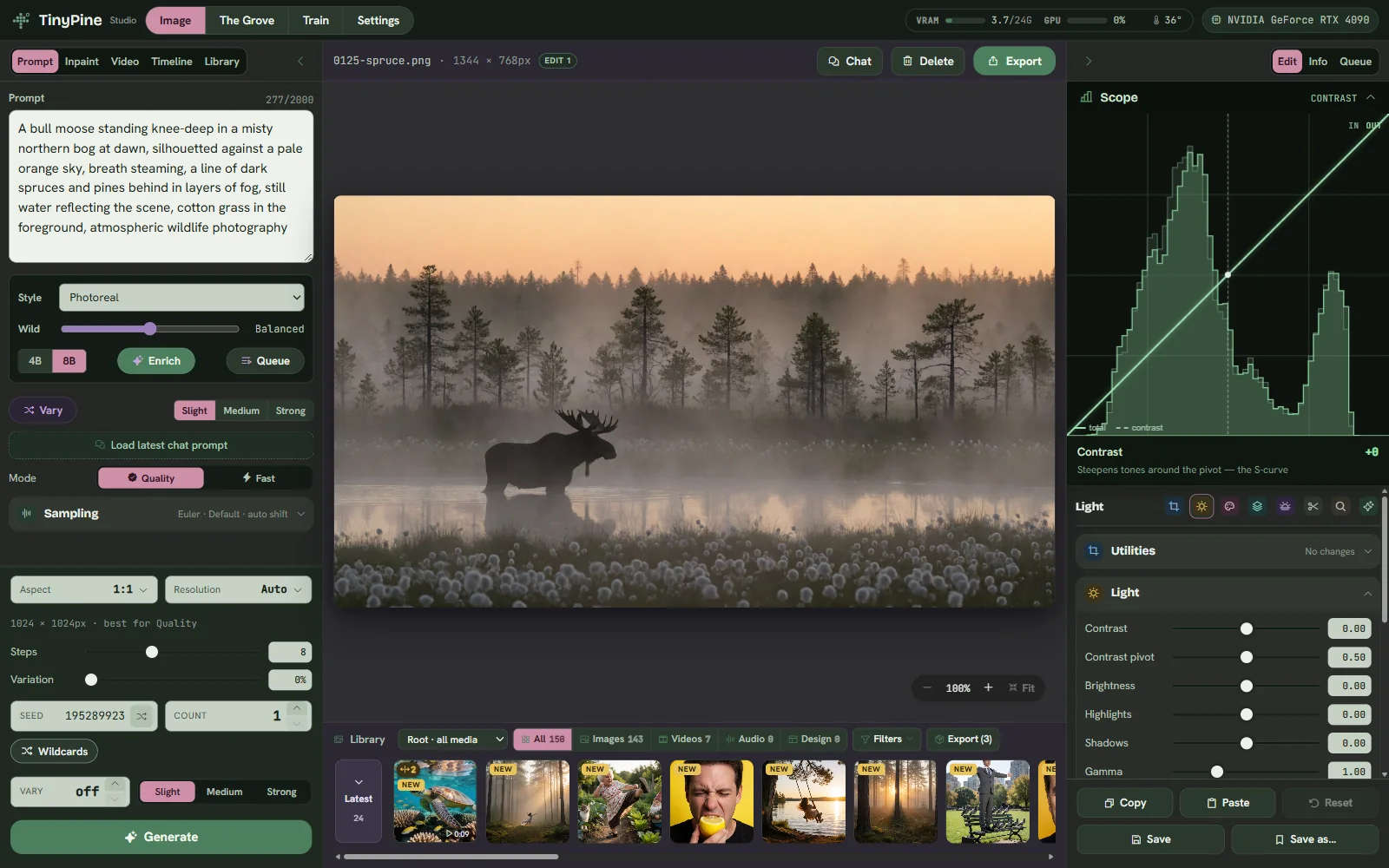
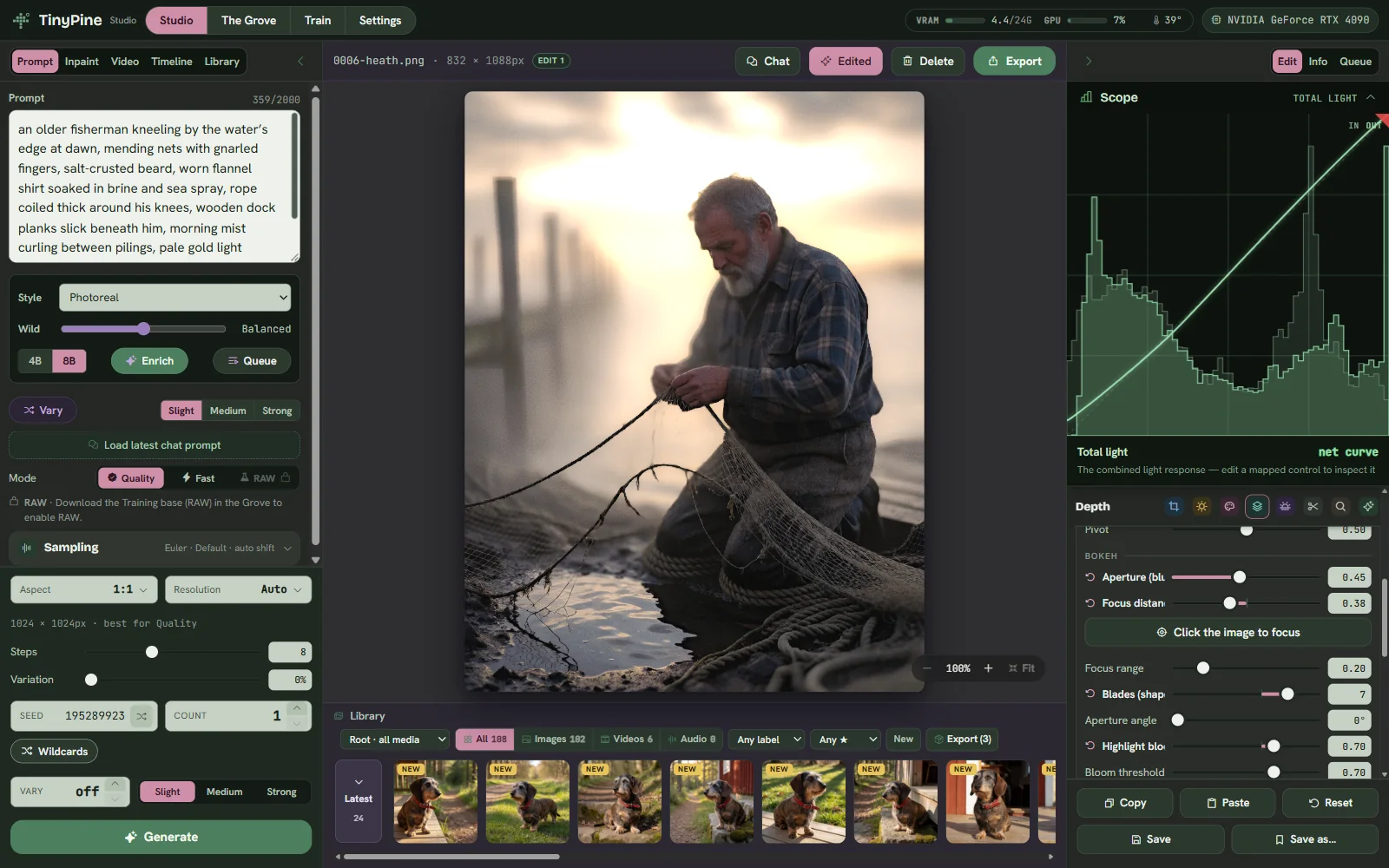
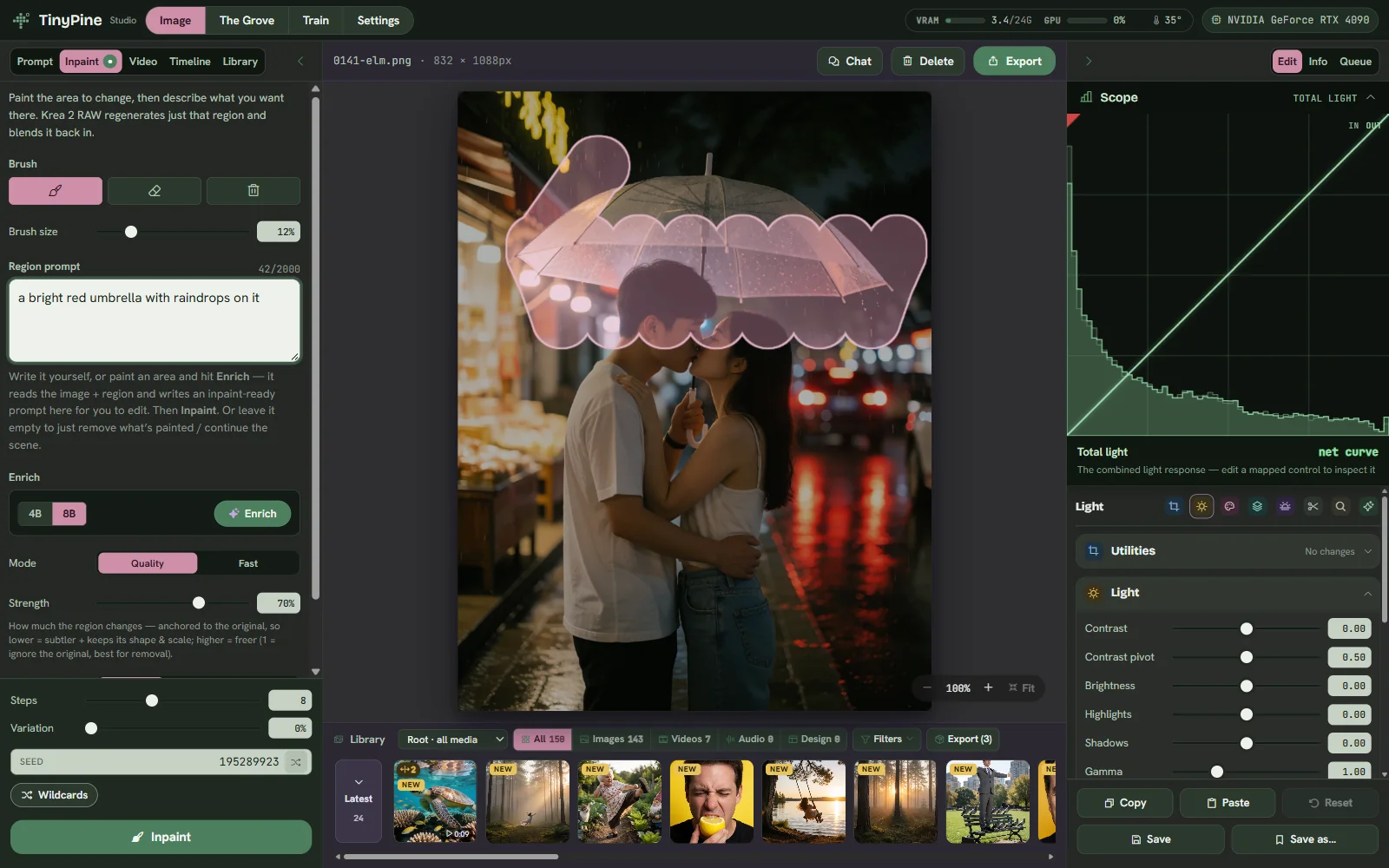
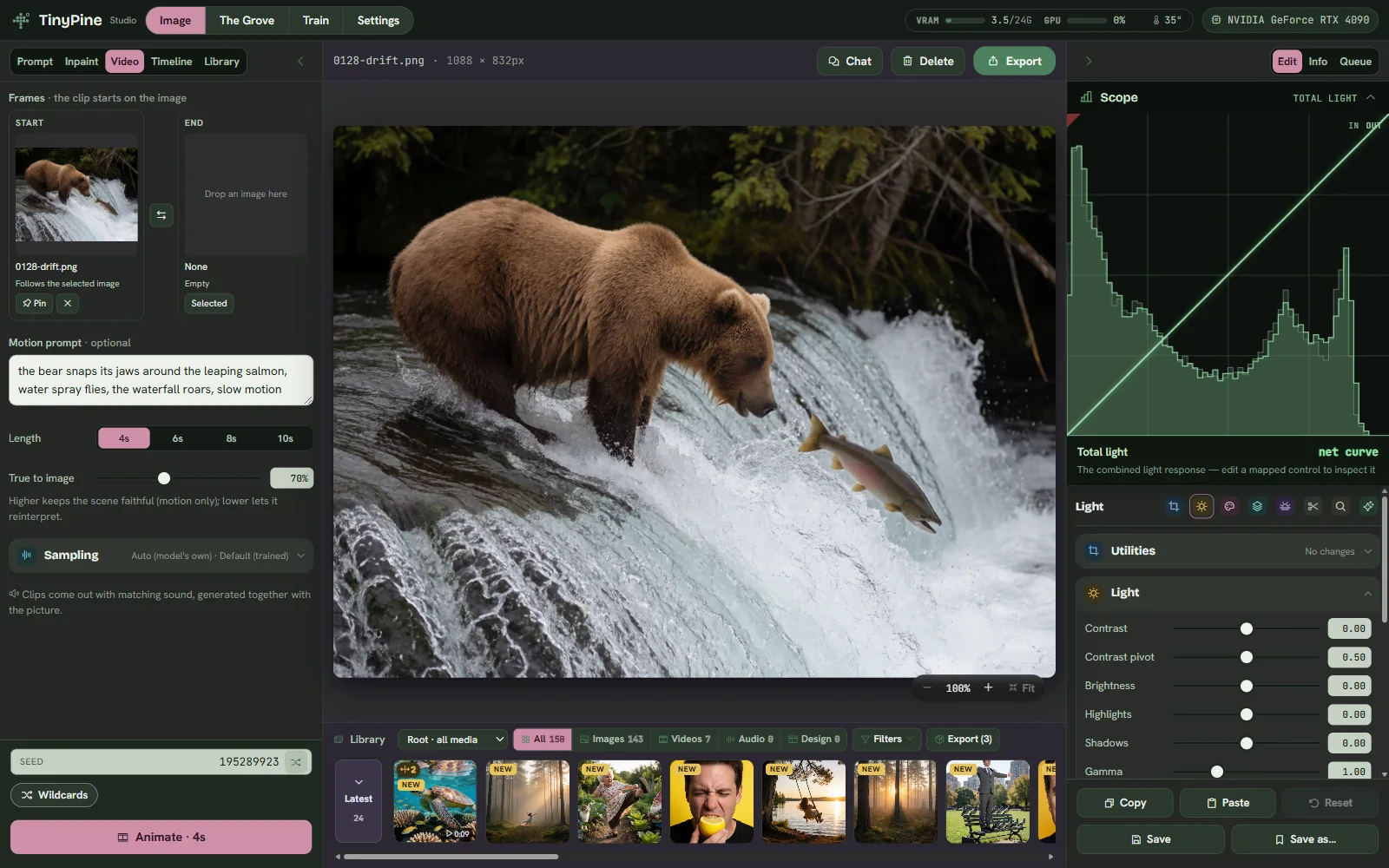
Prompt on the left, the image in the middle, Develop on the right and your library underneath.
Develop is a chain of WebGL shaders. The preview you drag is the same code that writes the export at full resolution, so the file matches the screen. Pick a look and drag across the picture.

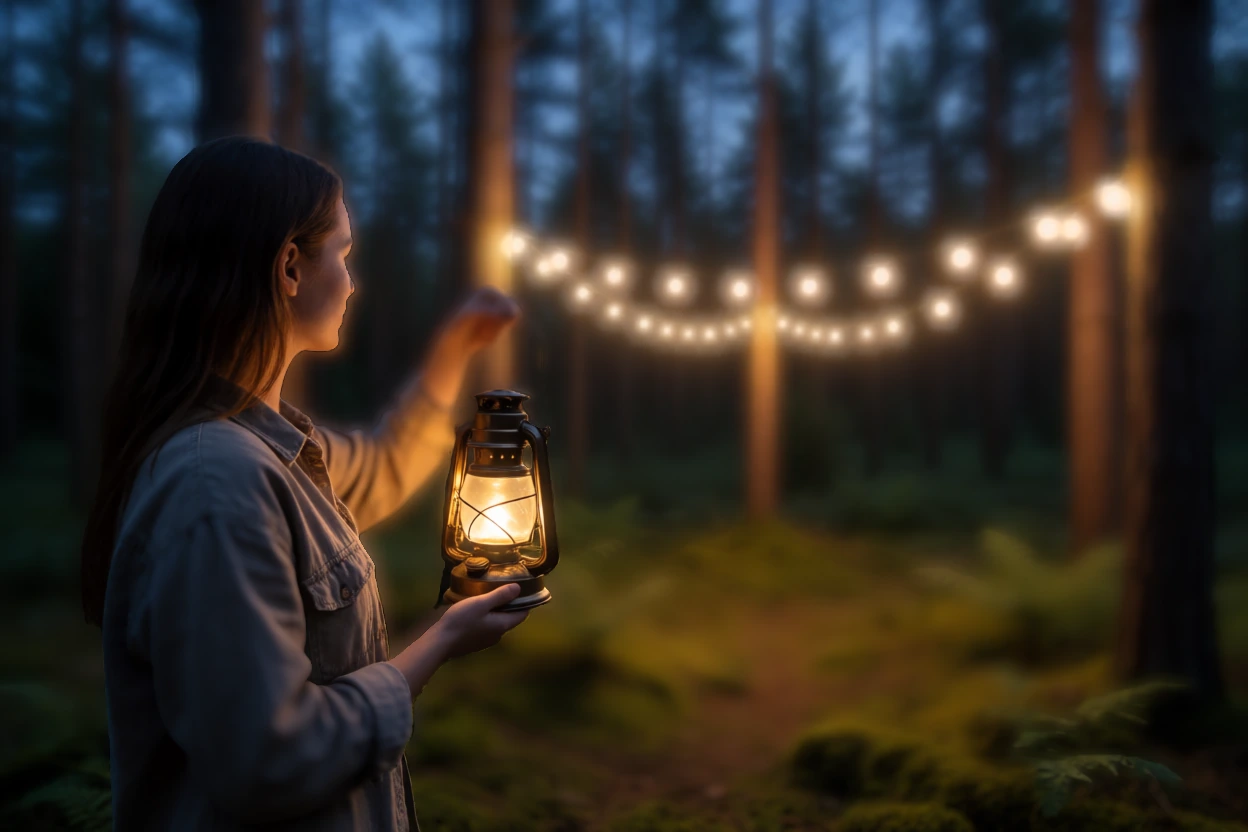
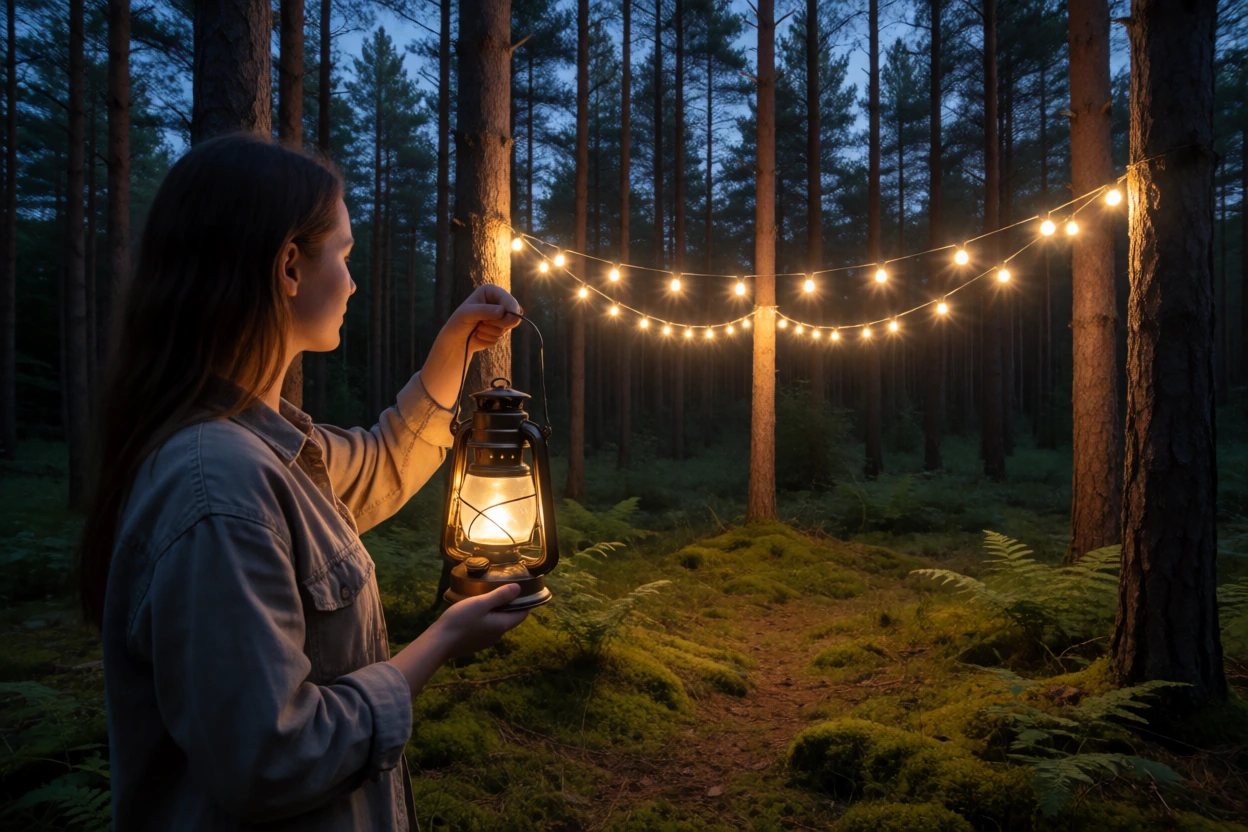
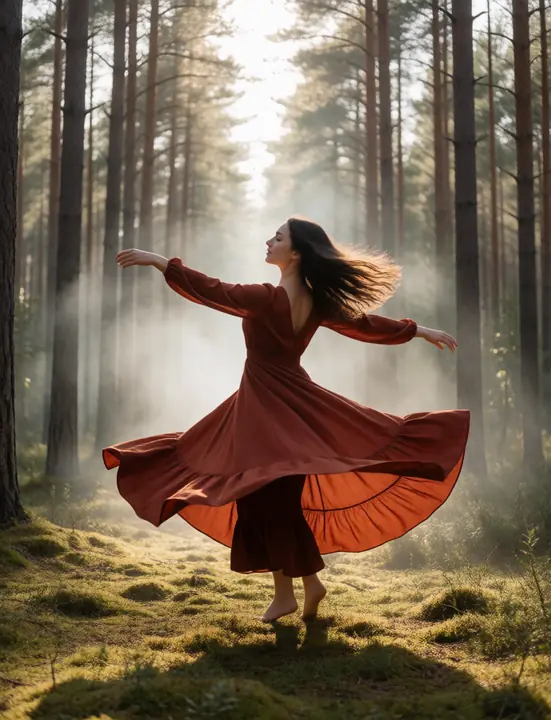
RenderDevelopedOne click on the woman with the lantern. The string lights between the pines melt into soft discs.
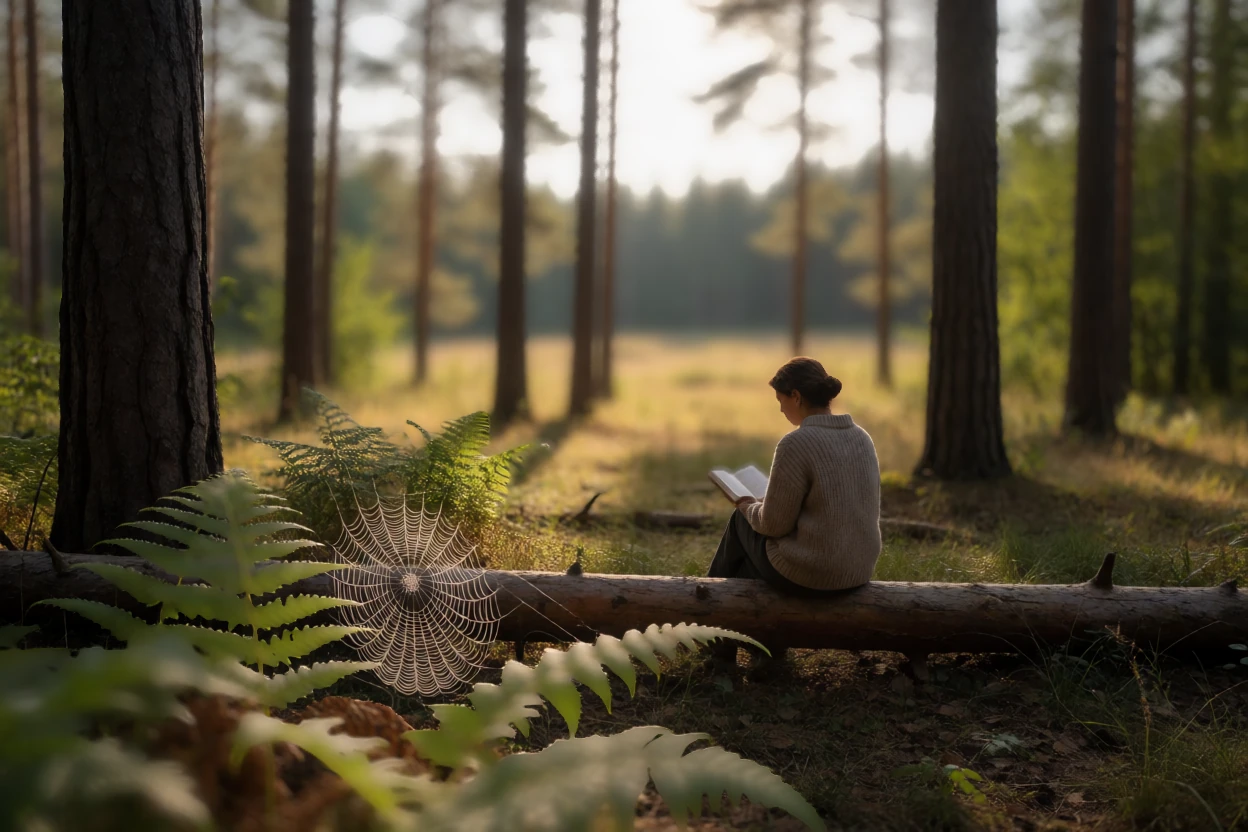
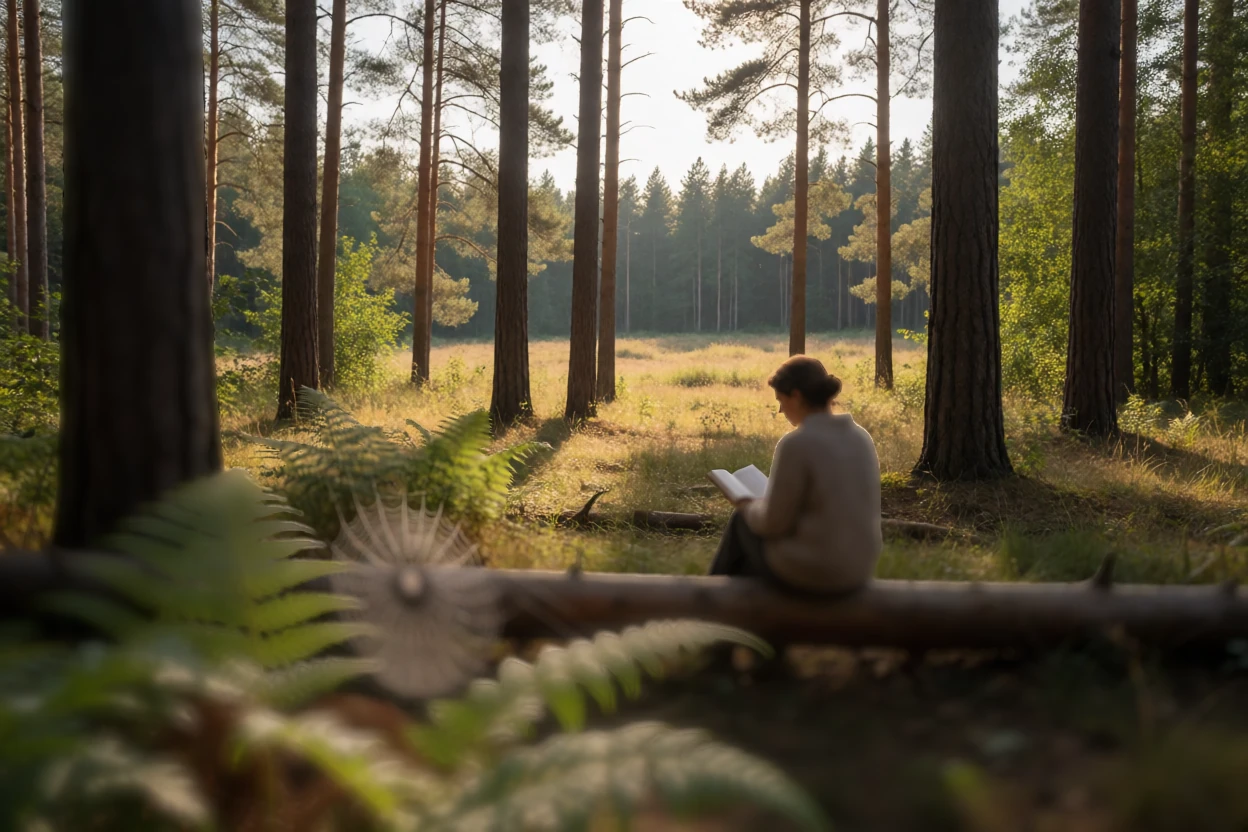
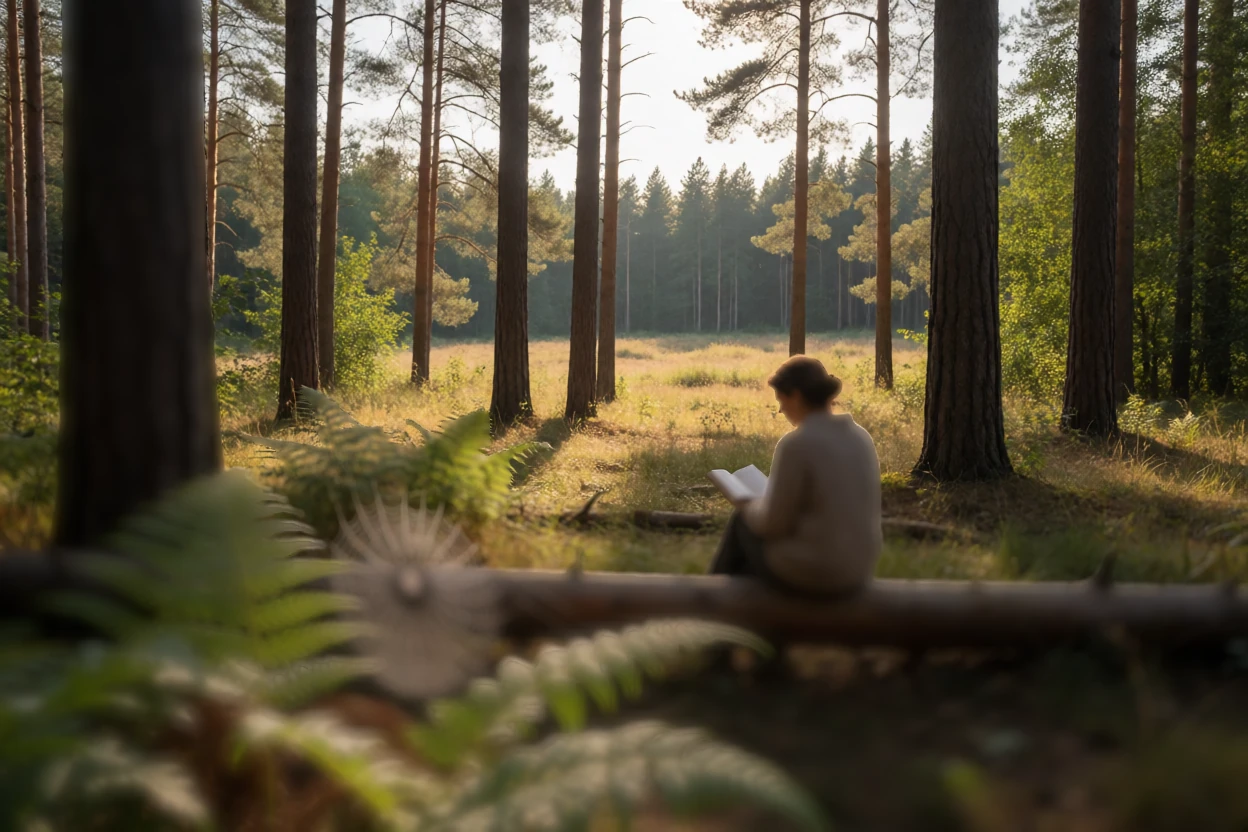
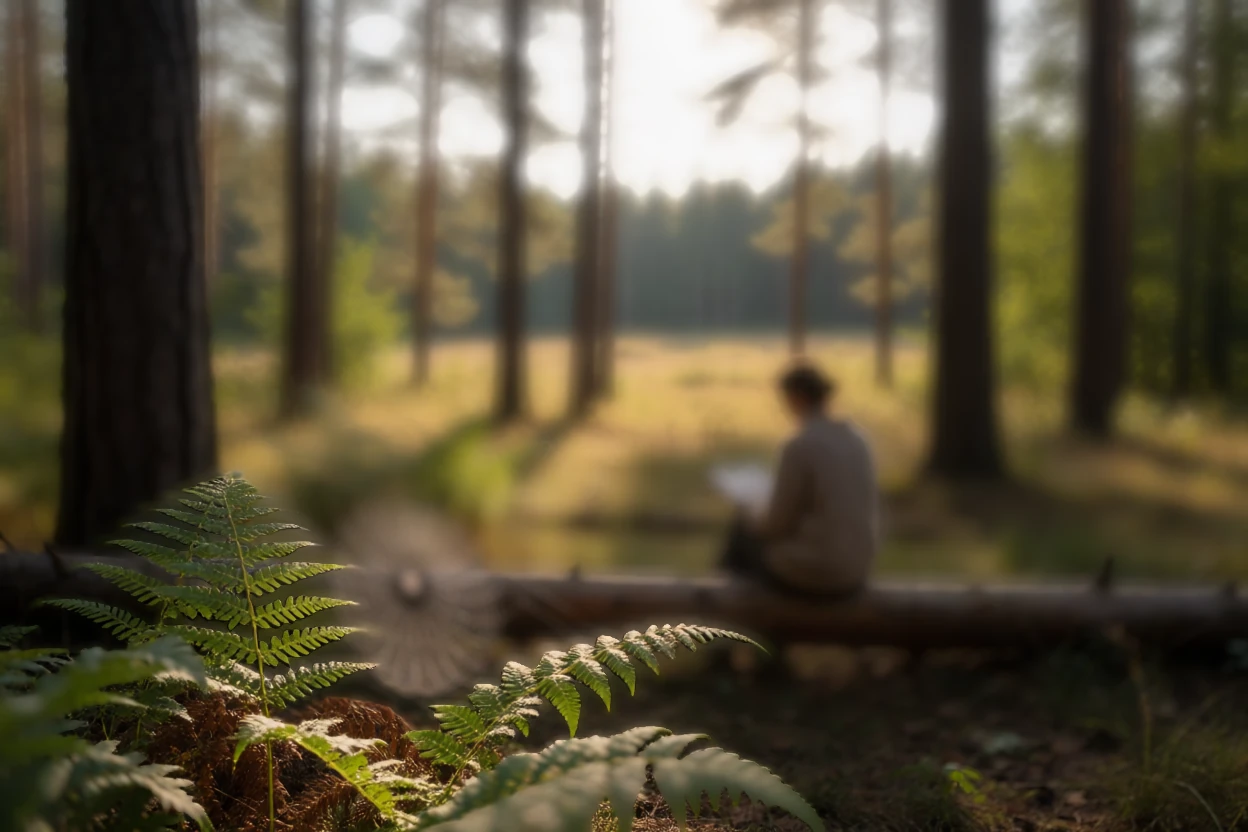
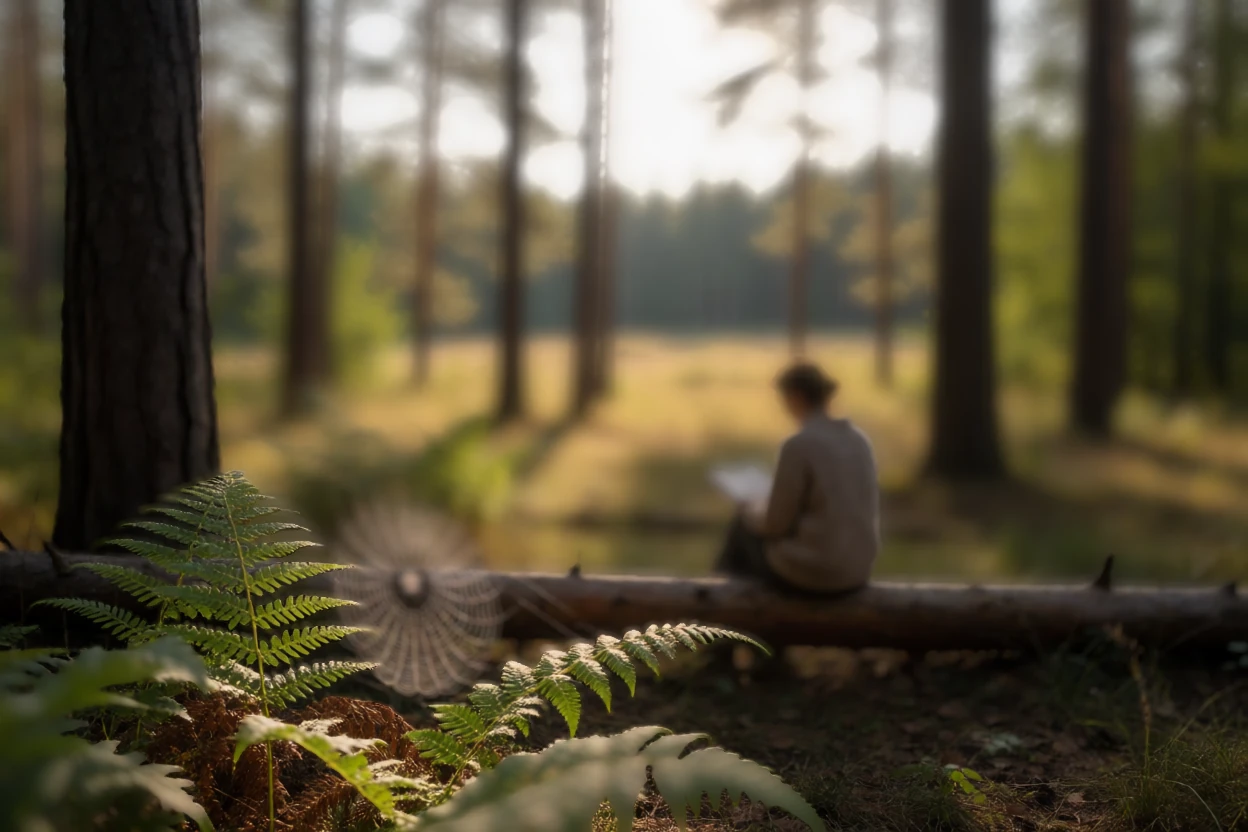
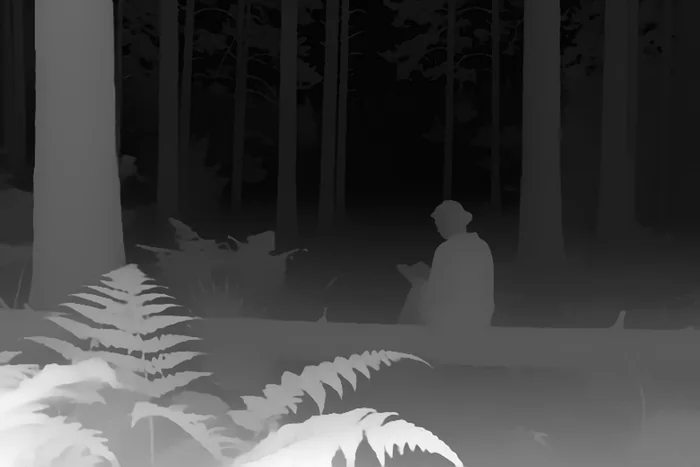
Depth Anything V2 reads the scene on your GPU and draws a depth map. Click a spot in the picture and Develop sets the focus to that distance: what lies in front and behind melts into bokeh. Try it below. Every frame is an export from TinyPine, made by clicking the same spot in the app.
Click anywhere in the picture. The focus moves to that distance, as it does in Develop.


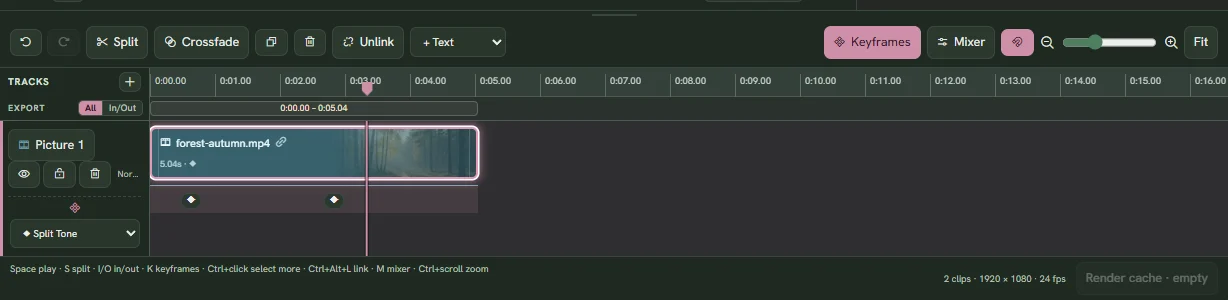
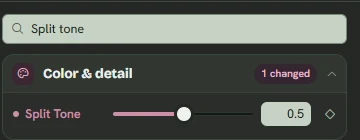
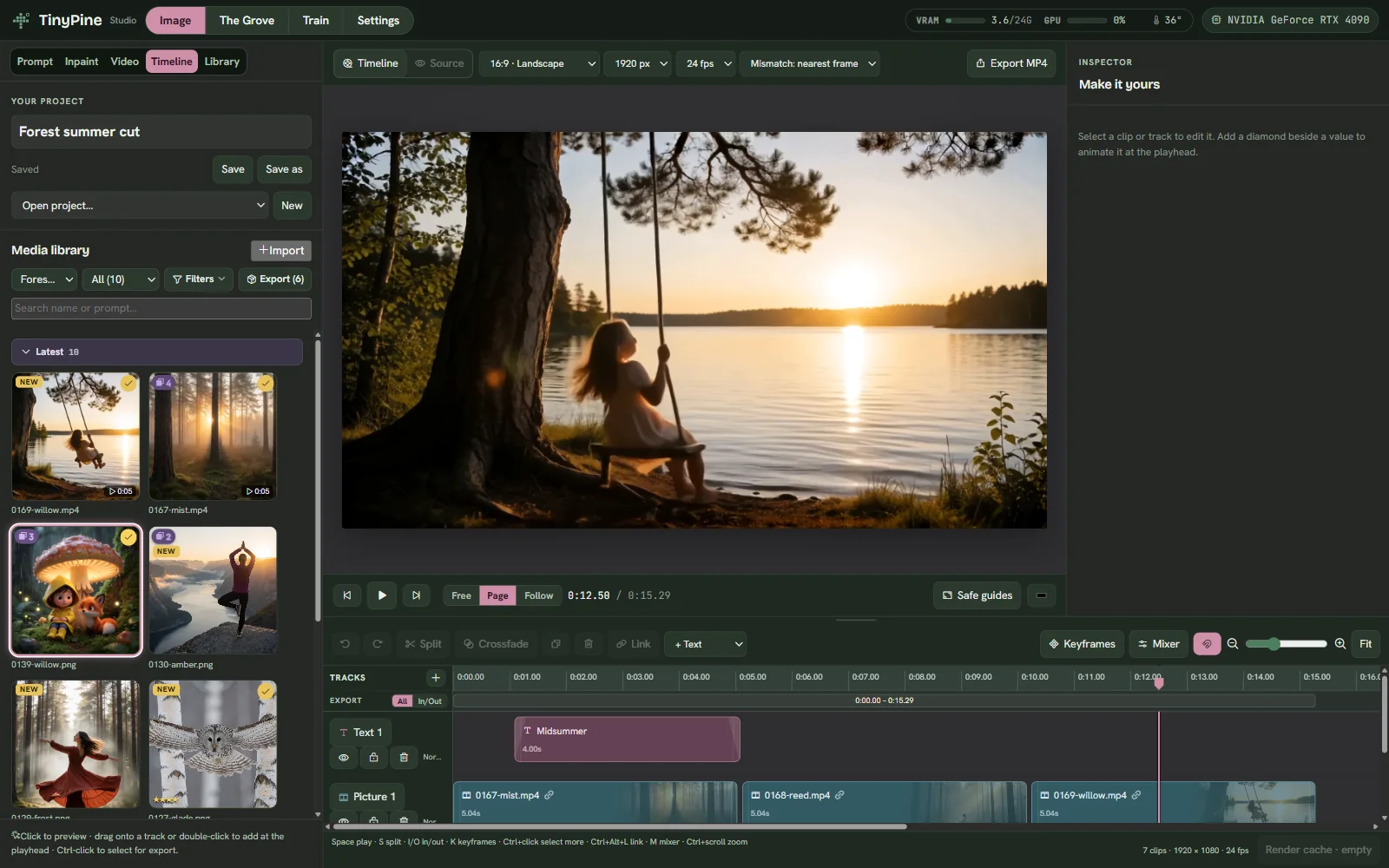
Every Develop setting works on video, and on the timeline each one can be keyframed. In these clips the look eases in from neutral between two keyframes. They are timeline projects in TinyPine, exported with Export MP4.
Press K on the timeline and every setting you animate gets a lane with its keys. Drag them, ease them in or out, or hold a value. The inspector marks the settings that move.


One recipe, one set of shaders. Grade a still, animate it, and the clip gets the same look. On video the light effects read every frame: light leaks flare up where the picture brightens, flares follow the bright sources, halation and bloom breathe with the light, and grain is new on every frame.

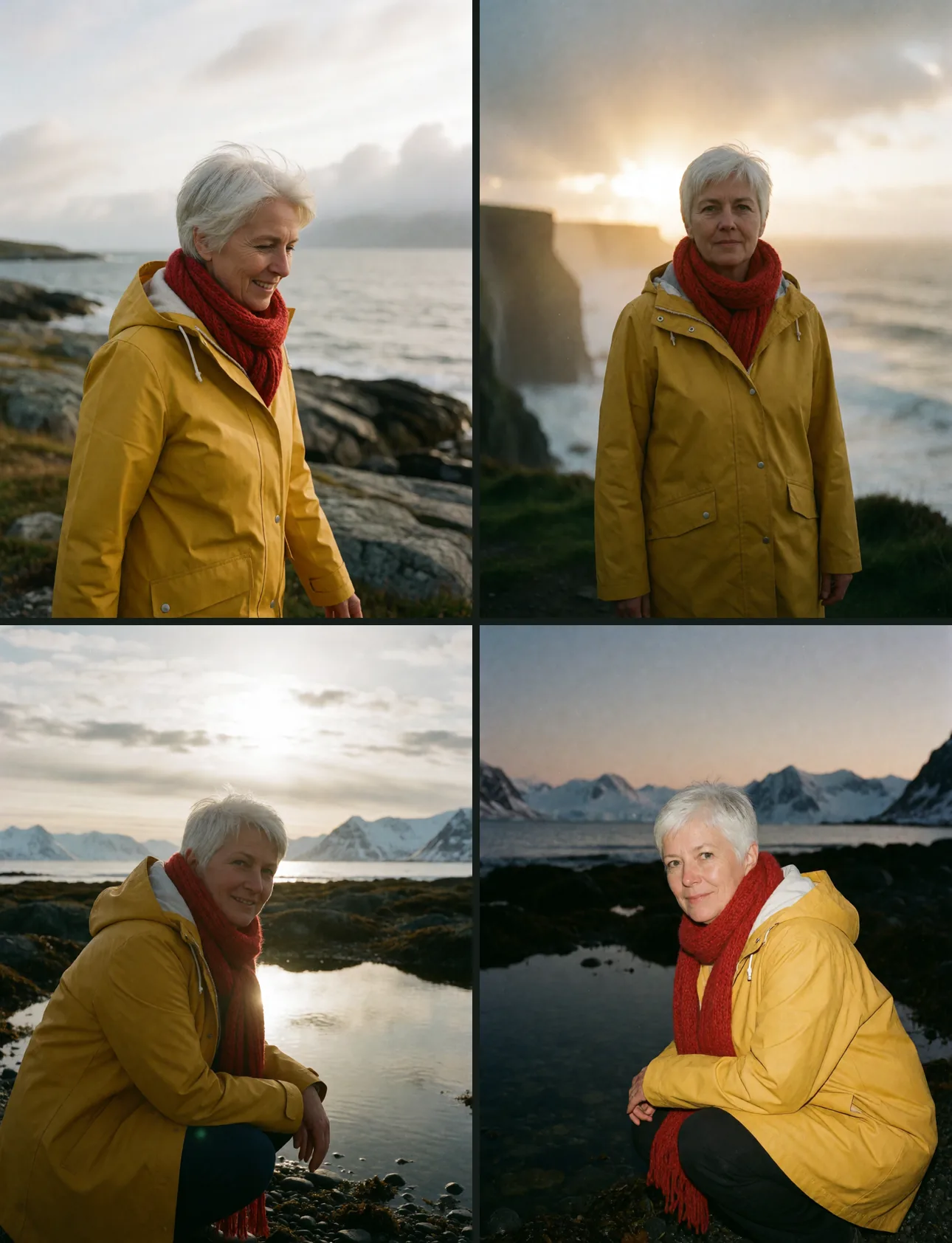
Vary asks Assist for a new take of the same prompt: another pose, another place, other light or weather. Who is in the picture and how it is made stay locked, and every take is checked against the original before it renders. Queue as many rounds as you like and let it run for hours, or over the weekend.


Images, Vary series, Enrich steps, video, upscales and training all line up in one queue and run one after the other on your GPU. Nothing blocks the window while it works.


One download for Windows. The Grove installs the models with one click, sized to your GPU.
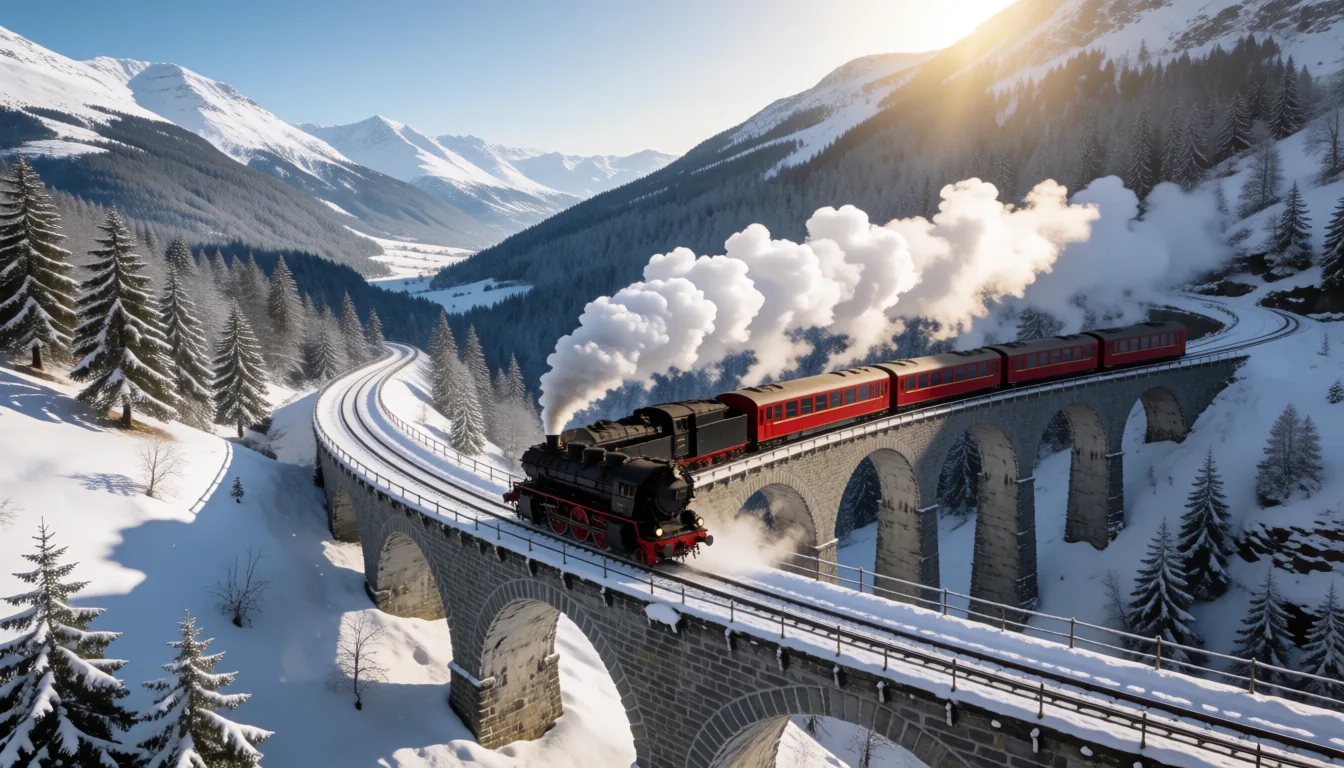
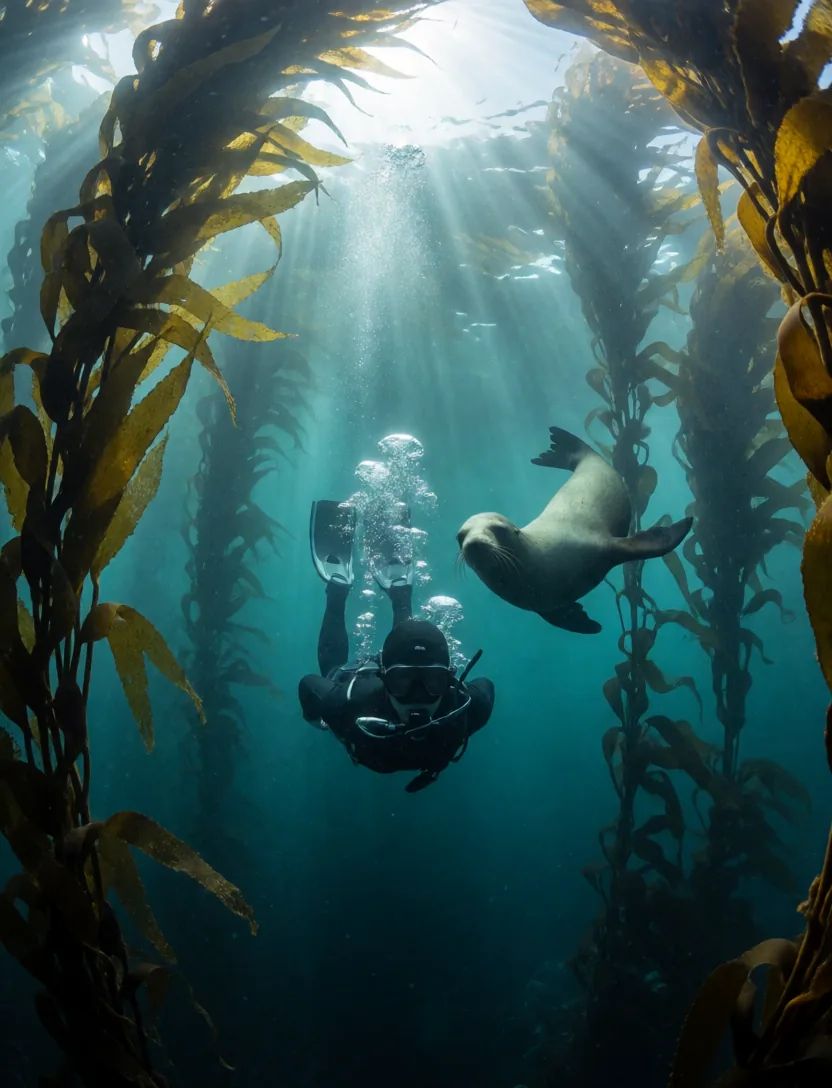
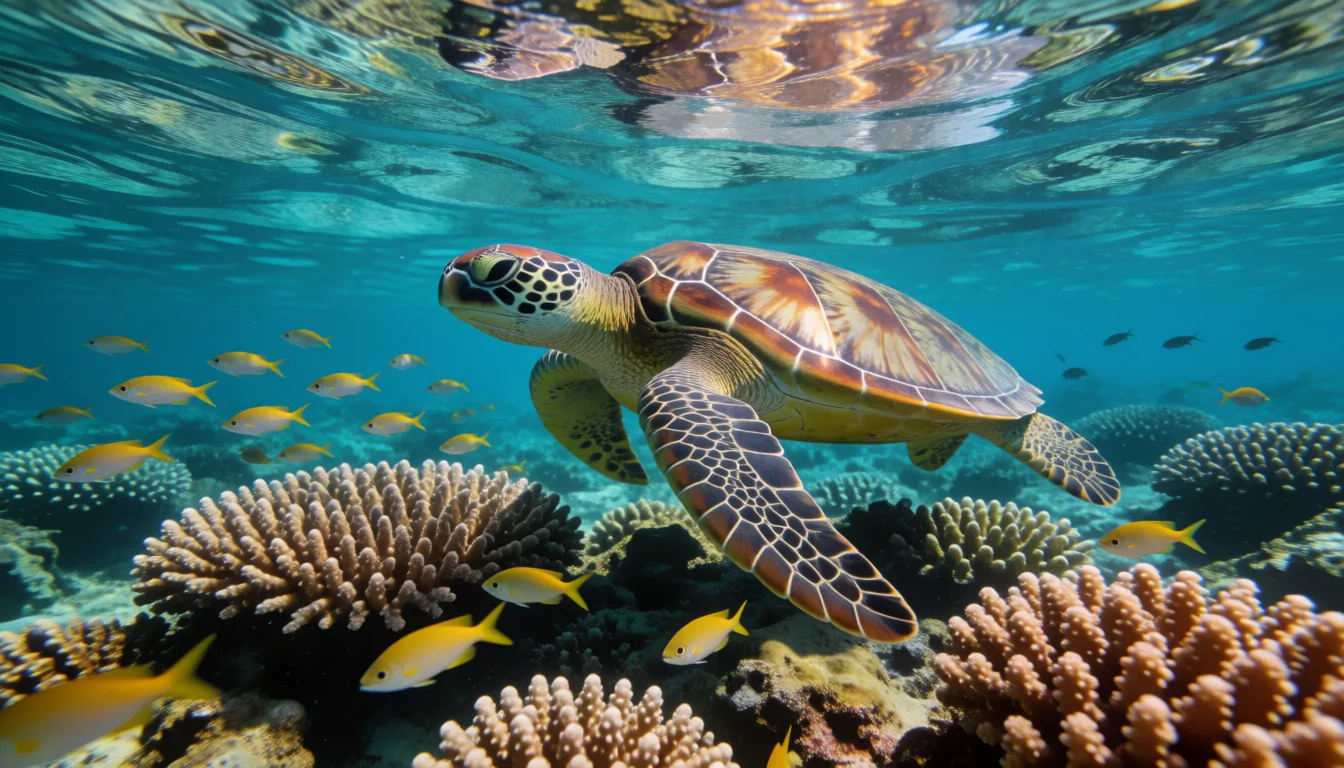
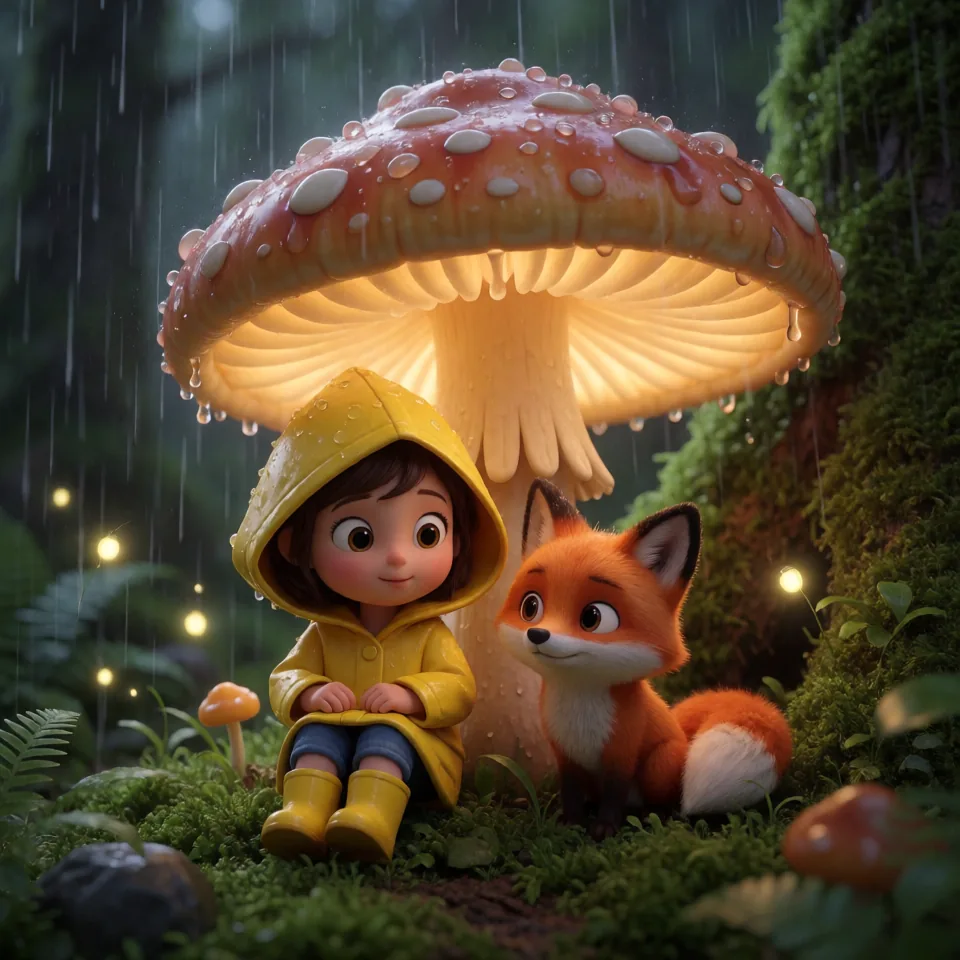
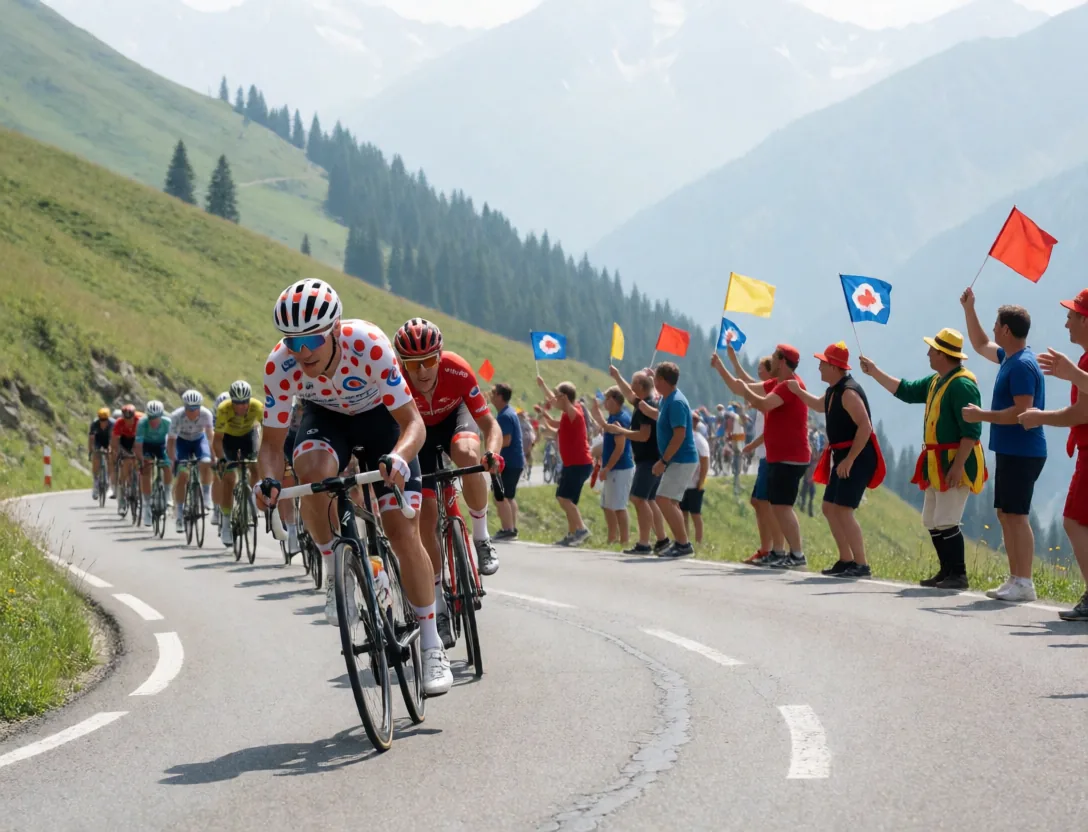
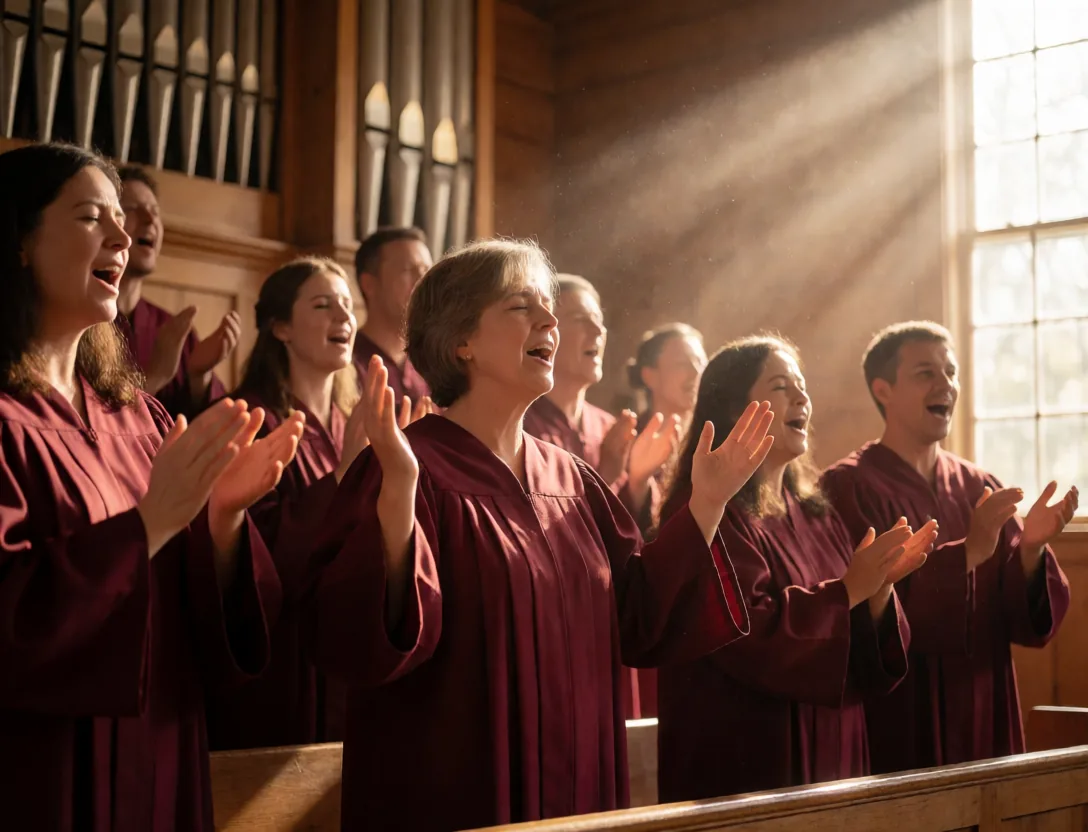
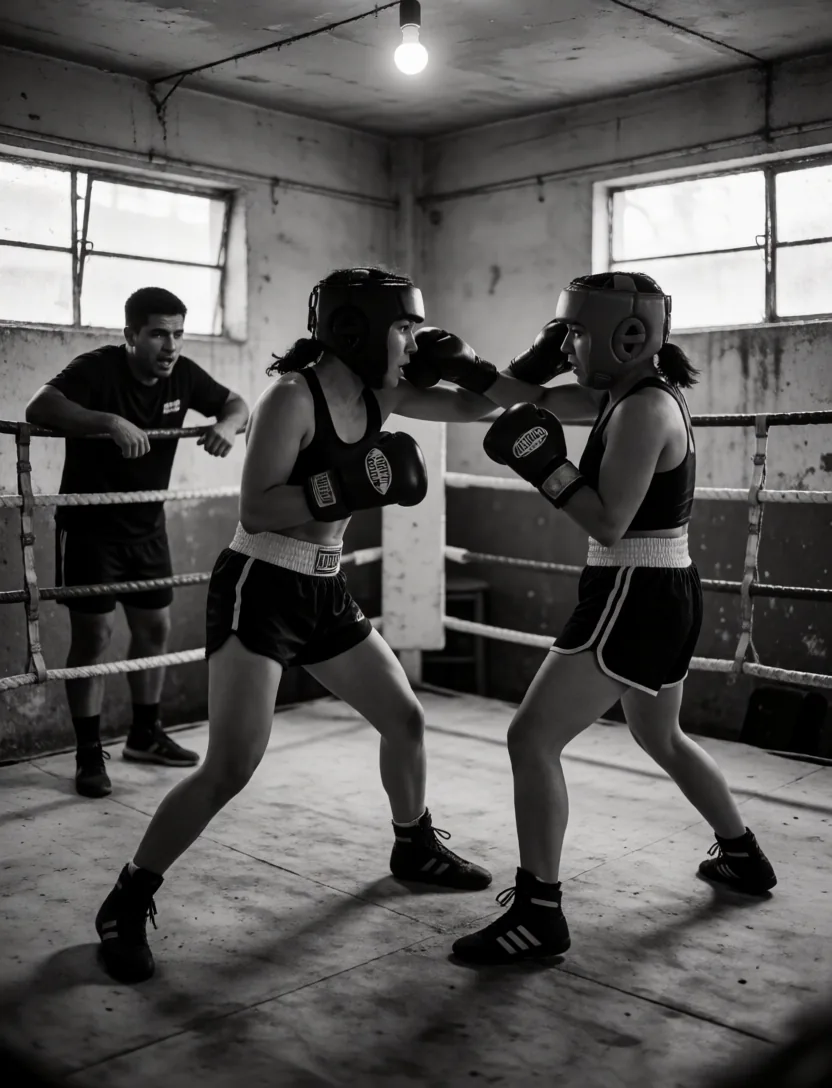
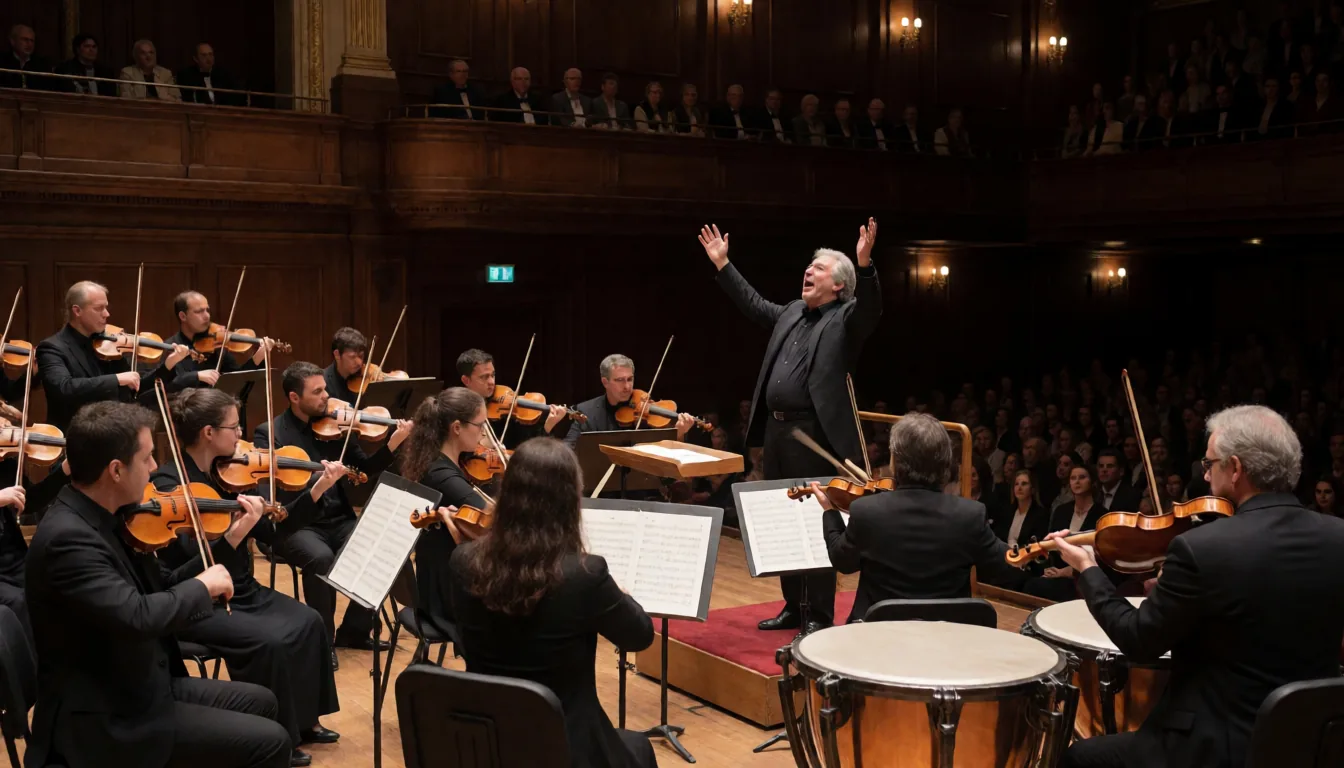
Each clip below started as one of the images on this page. LTX-2.5 animated it and wrote the sound in the same pass. Click a clip to hear it.
Extend continues a clip after its end or leads into its start. The new part starts on the clip's own last frames, so the motion carries on, and the app joins the parts with a short crossfade. Extend again for more.
Drop in a folder of images and TinyPine trains a LoRA on Krea 2 Raw, then applies it to the fast model you generate with. A dozen photos of one subject is enough: here, twelve everyday snapshots of the same dog, each with a short caption. Pick the checkpoint by looking at its sample.


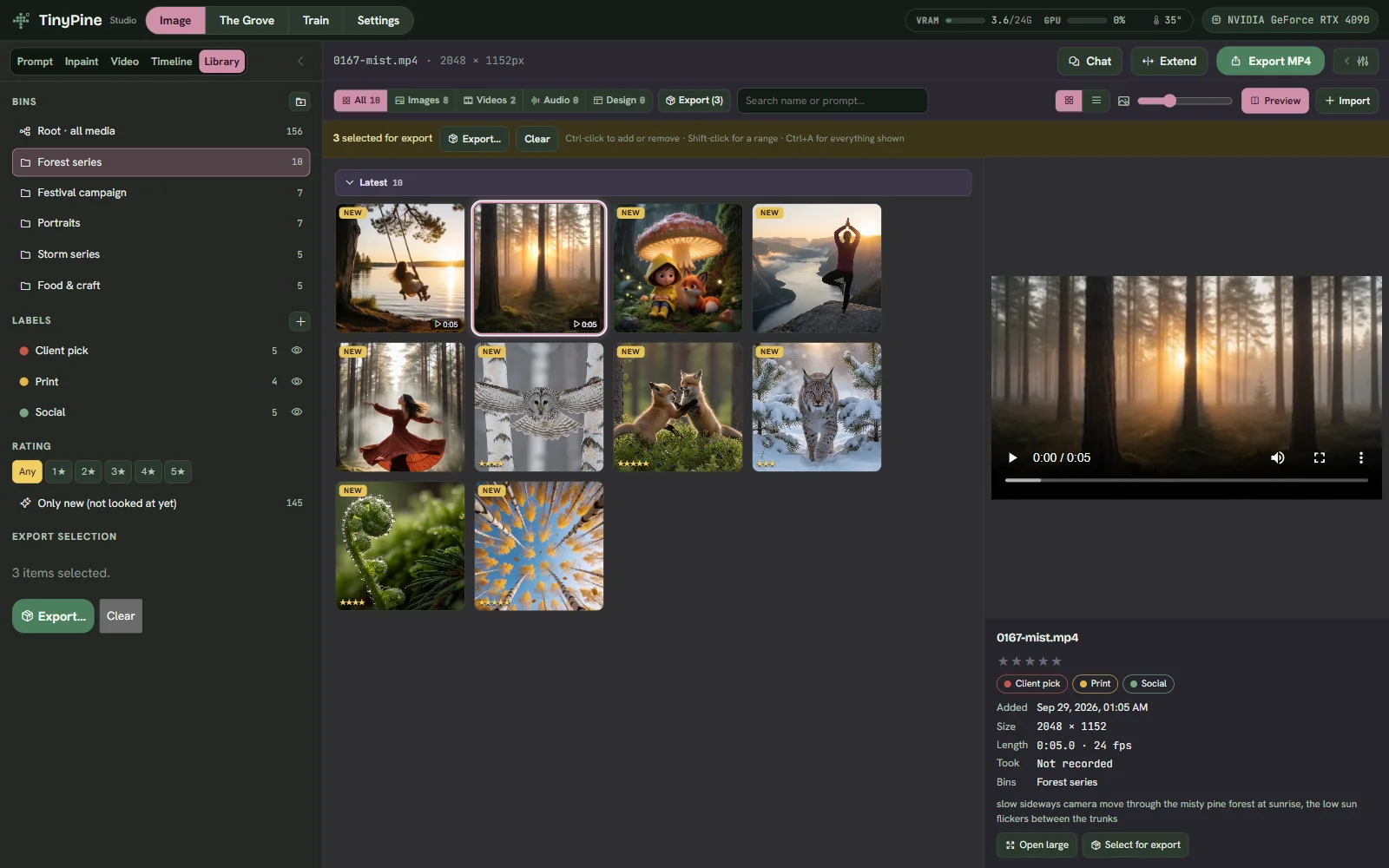
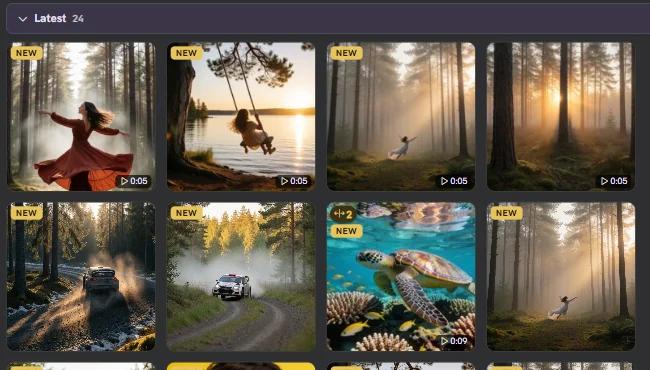
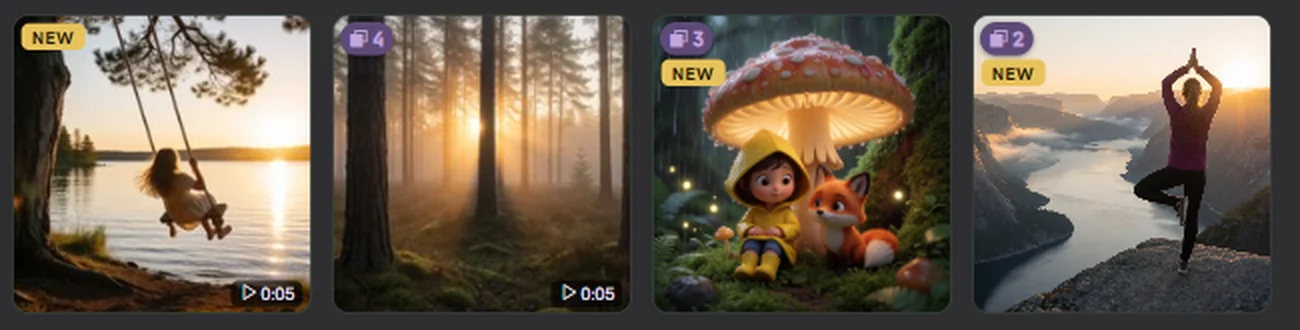
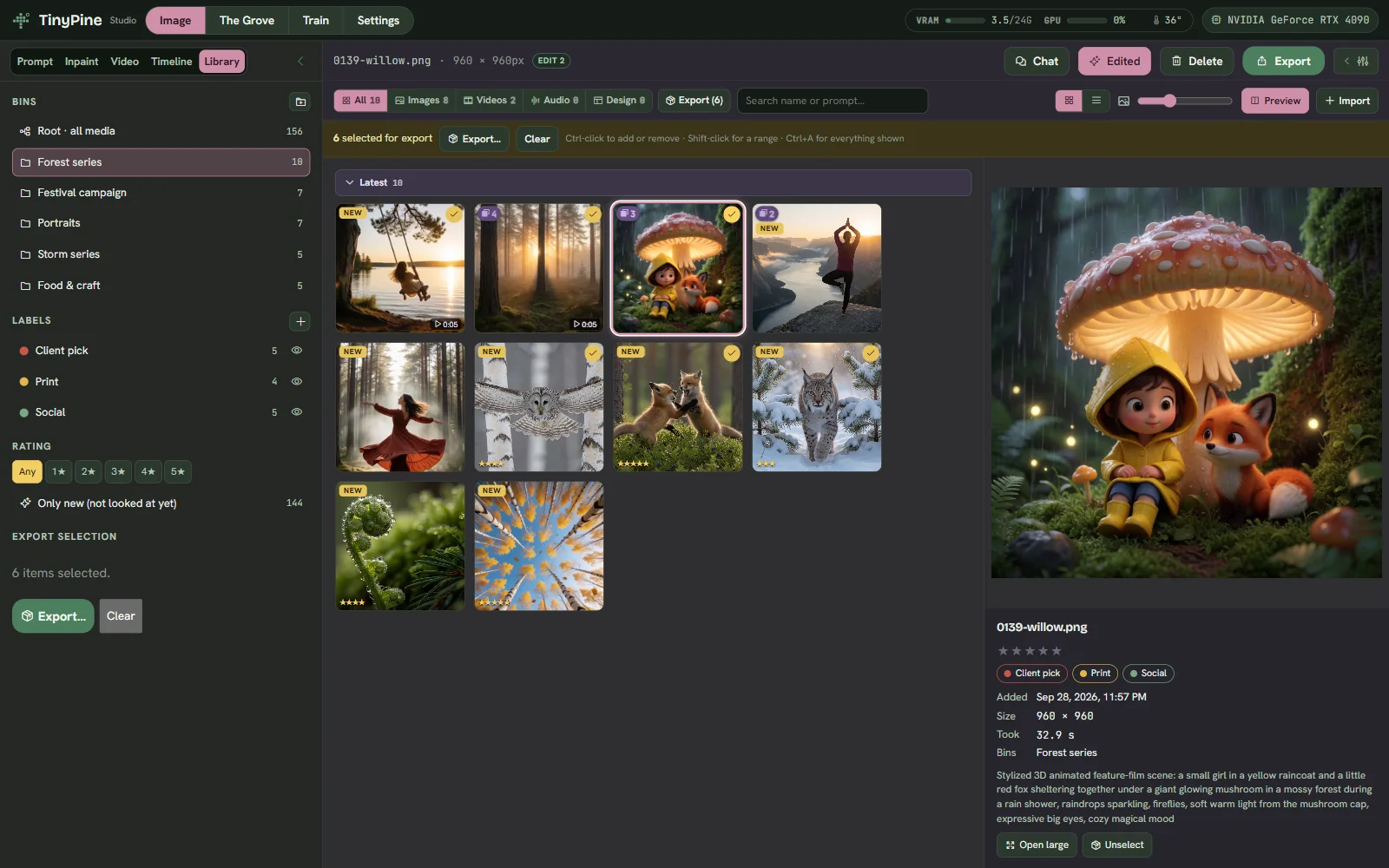
Everything you have not looked at yet carries a NEW badge until you open it.

Edited images show how many versions they have, and the thumbnail is the version you last used.

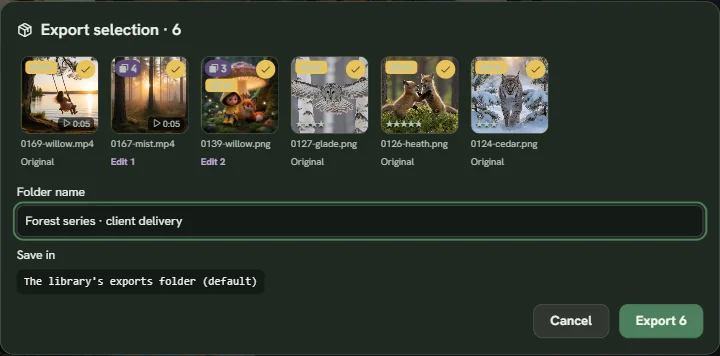
Mark images and clips across bins, then export them as one package with every edit baked in.

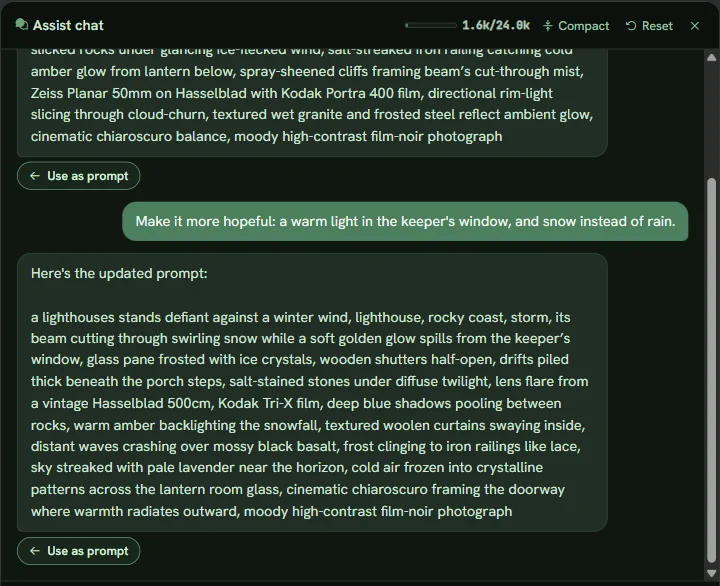
Chat with Assist about an idea or an image you drop in, and use any prompt it writes with one click. Long conversations keep going: older turns fold into a summary so the context never runs out.
16 GB of graphics memory is the recommended minimum, 8 GB runs images at smaller sizes, and video needs a 24 GB card. TinyPine reads your GPU and sets resolutions, precision and a memory ceiling to match. We measured peak memory on a 24 GB card with LoRAs loaded and sized every tier to stay under its ceiling. Pick a card size.
Measured on disk after install. Start with the four marked rows, about 42 GB, and add the rest from the Grove when you want it. Everything together is about 165 GB.
| Part | On disk | What it is for |
|---|---|---|
| App enginestart | 5.5 GB | Python and the CUDA libraries. Installed on first start. |
| Krea 2 Turbo, Qualitystart | 33 GB | Image generation. Every image needs it. |
| Assist 4Bstart | 2.7 GB | Enrich, chat and captions. Downloads 9 GB and is stored in 4-bit. |
| Depth, upscaler, Face Enhancestart | 1 GB | Depth effects in Develop, ×2 upscale, face repair. |
| Krea 2 Fast (fp8) | +12 GB | Fast mode, on 16 GB cards and up. |
| Krea 2 Raw | +24.5 GB | Training your own LoRAs. |
| Assist 8B | 6 GB | A stronger Assist. Downloads 17 GB and is stored in 4-bit. |
| Video: LTX-2.5 and its engine | 80 GB | Video with sound. Also needs a 24 GB card, 32 GB of RAM and a 64 GB page file, which the installer sets up. |
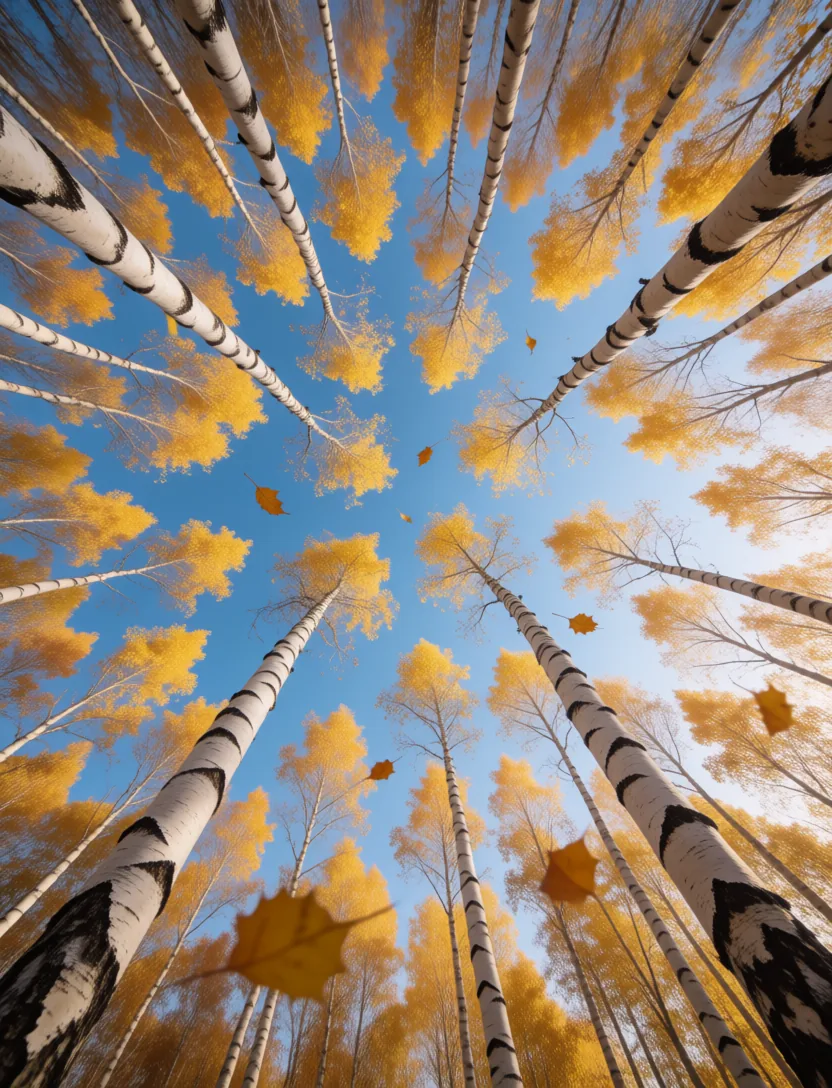
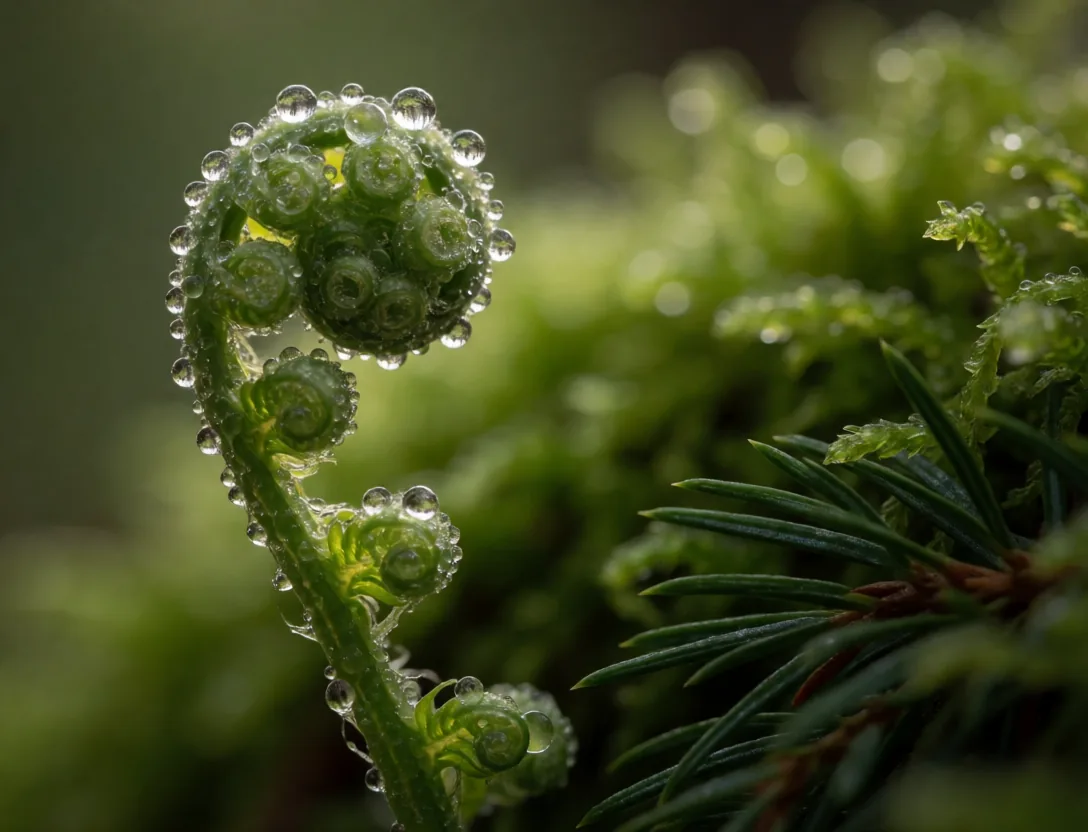
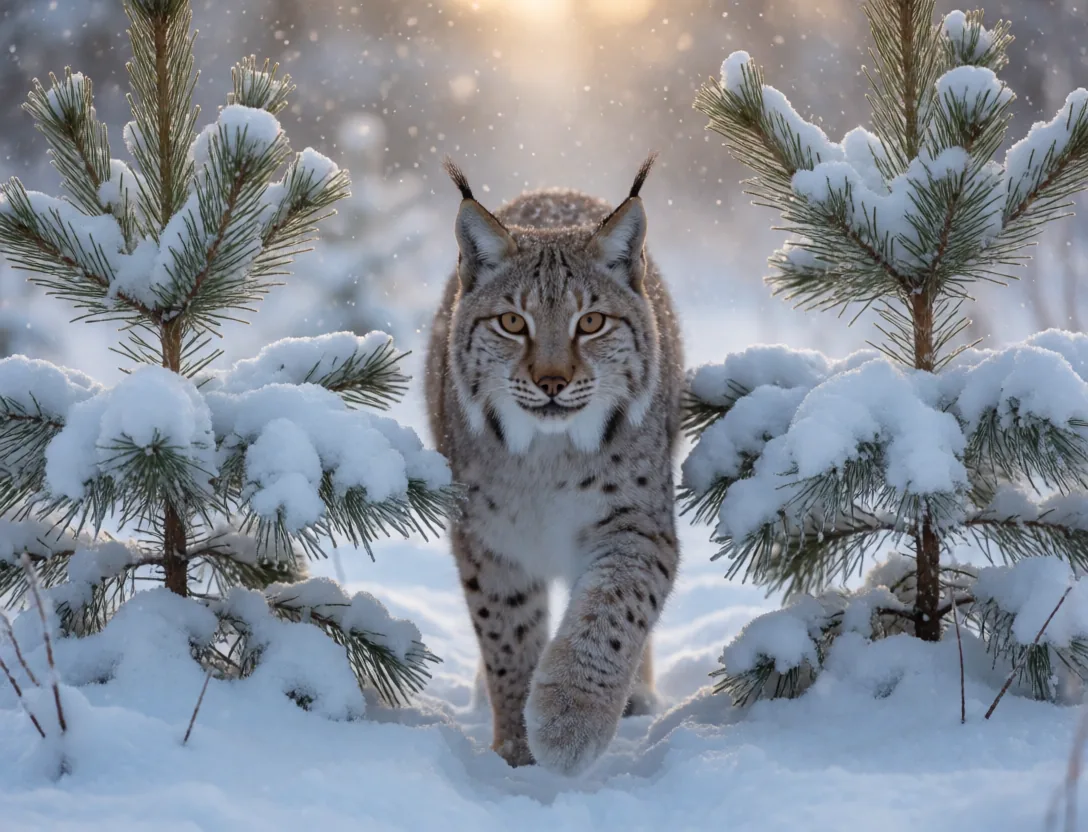
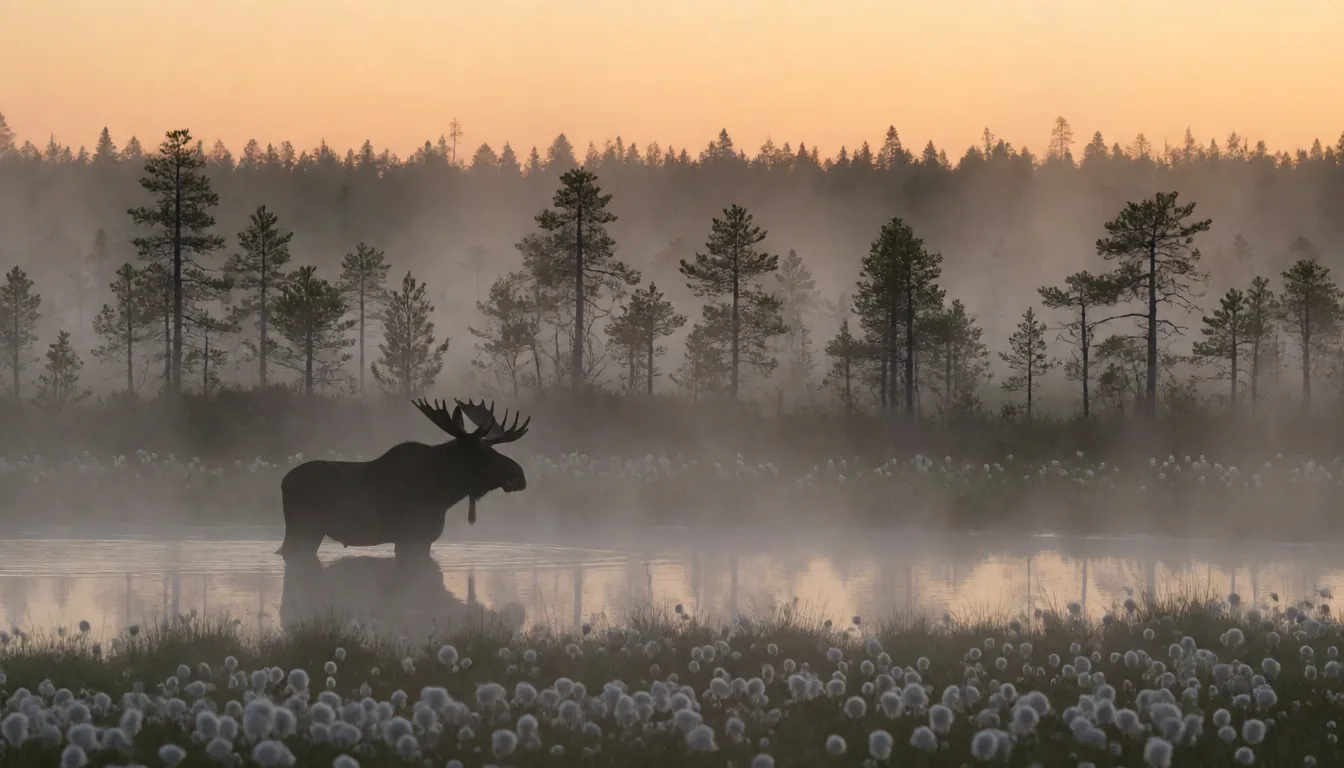
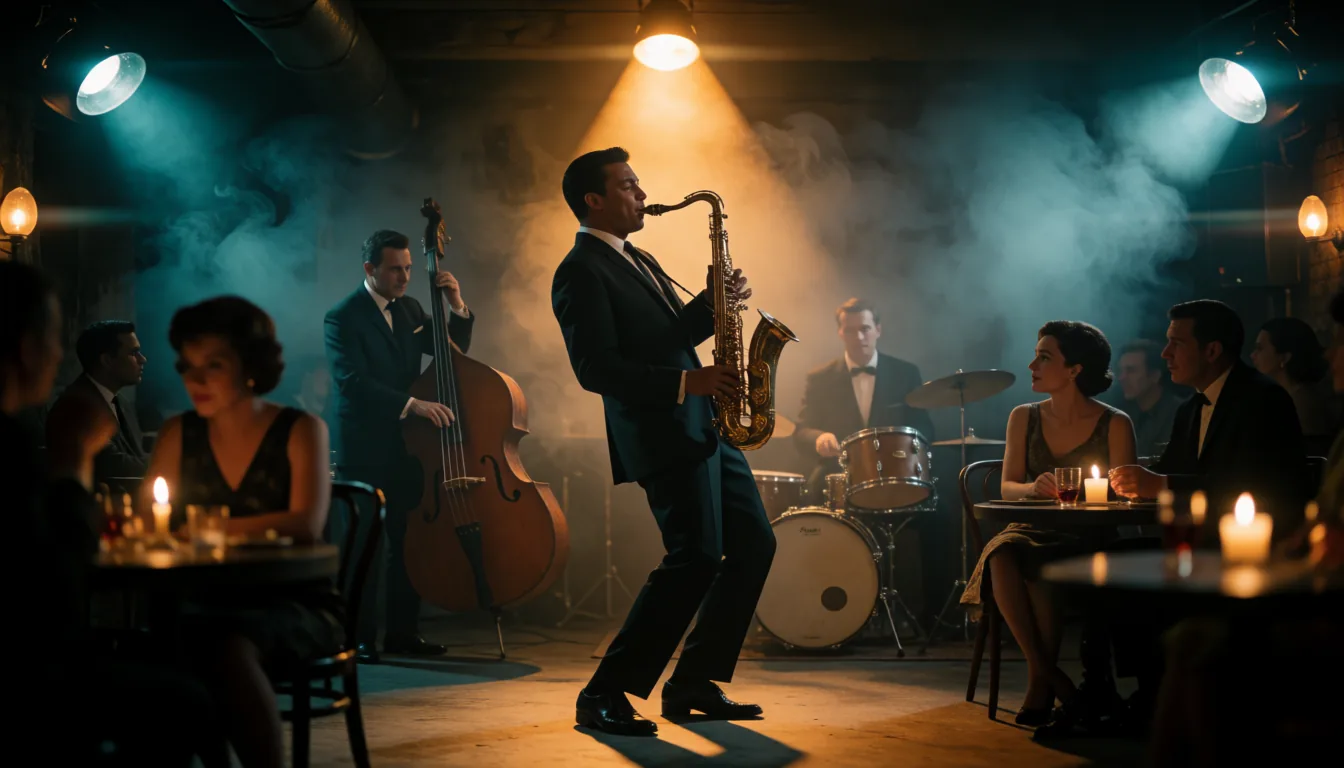
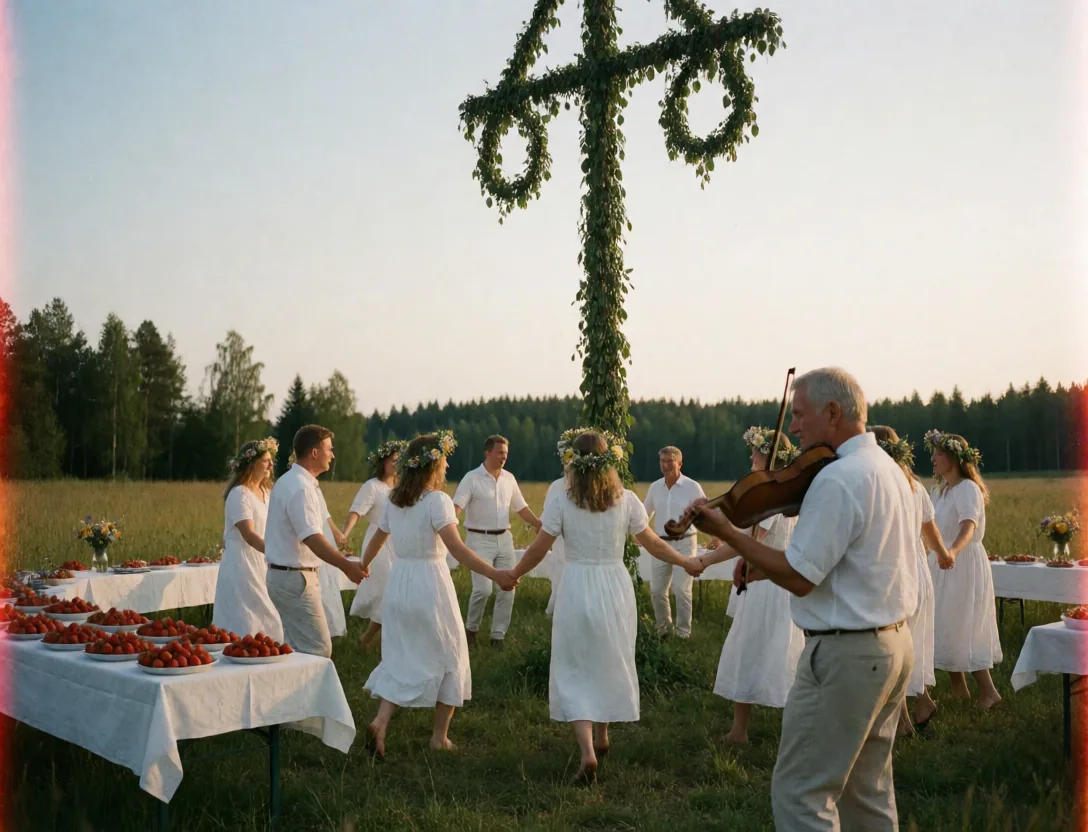
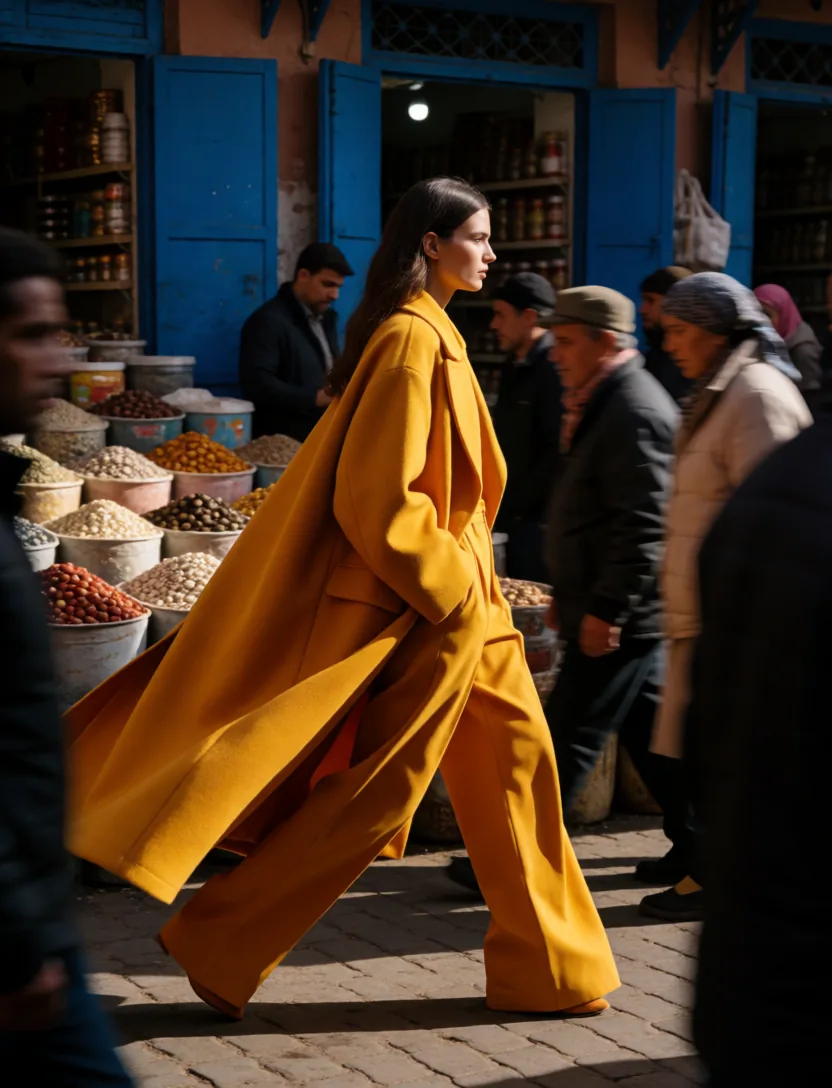
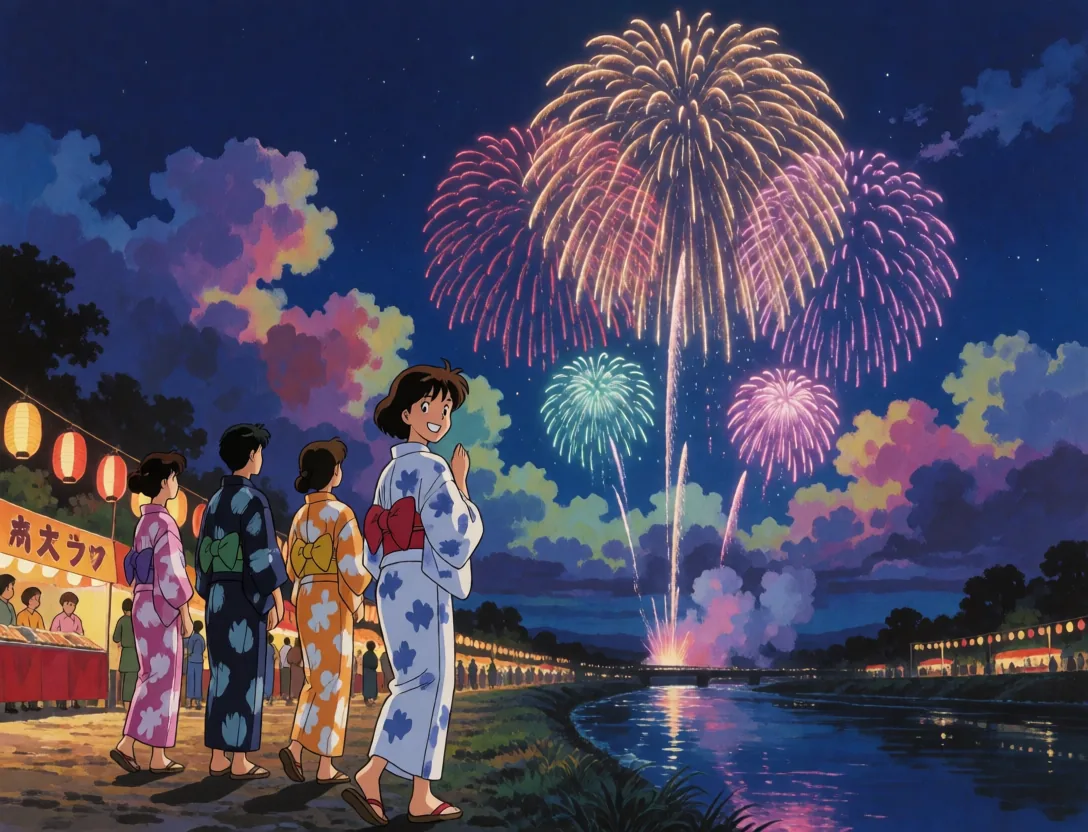
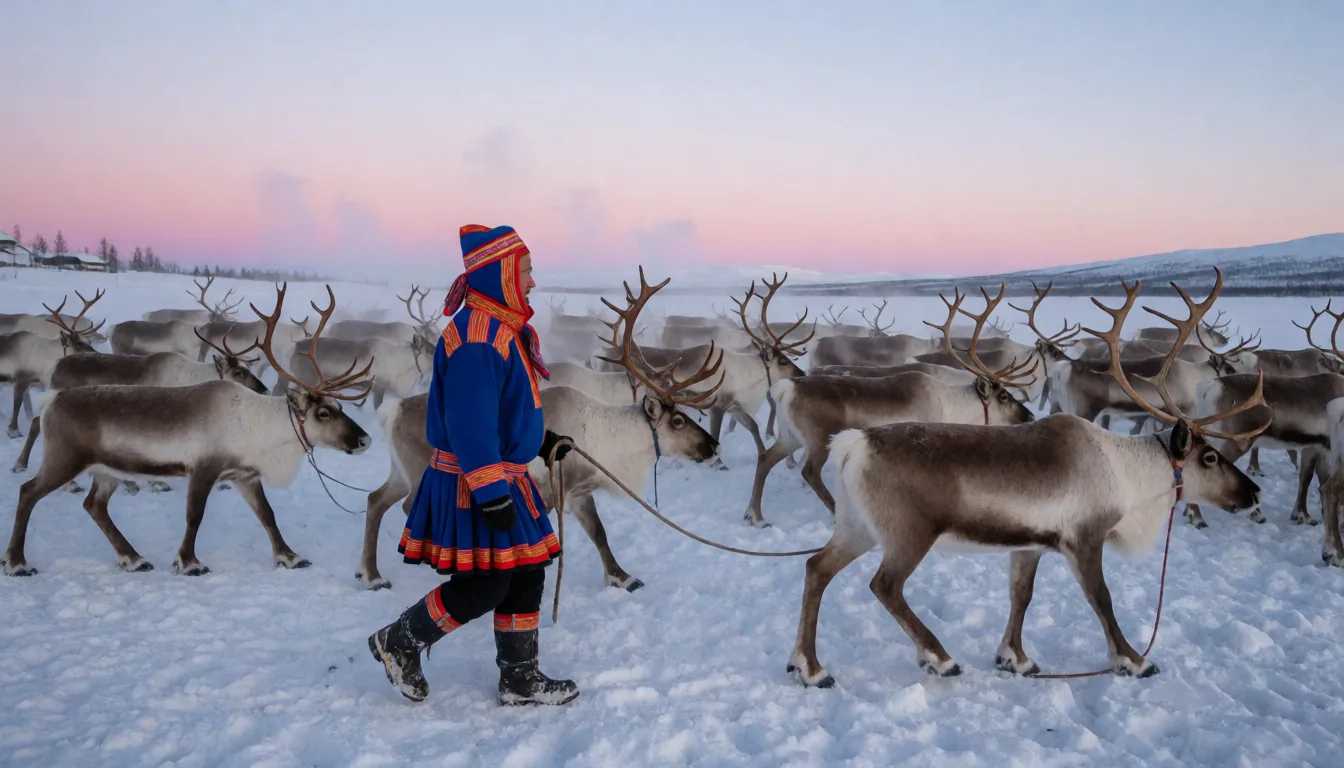
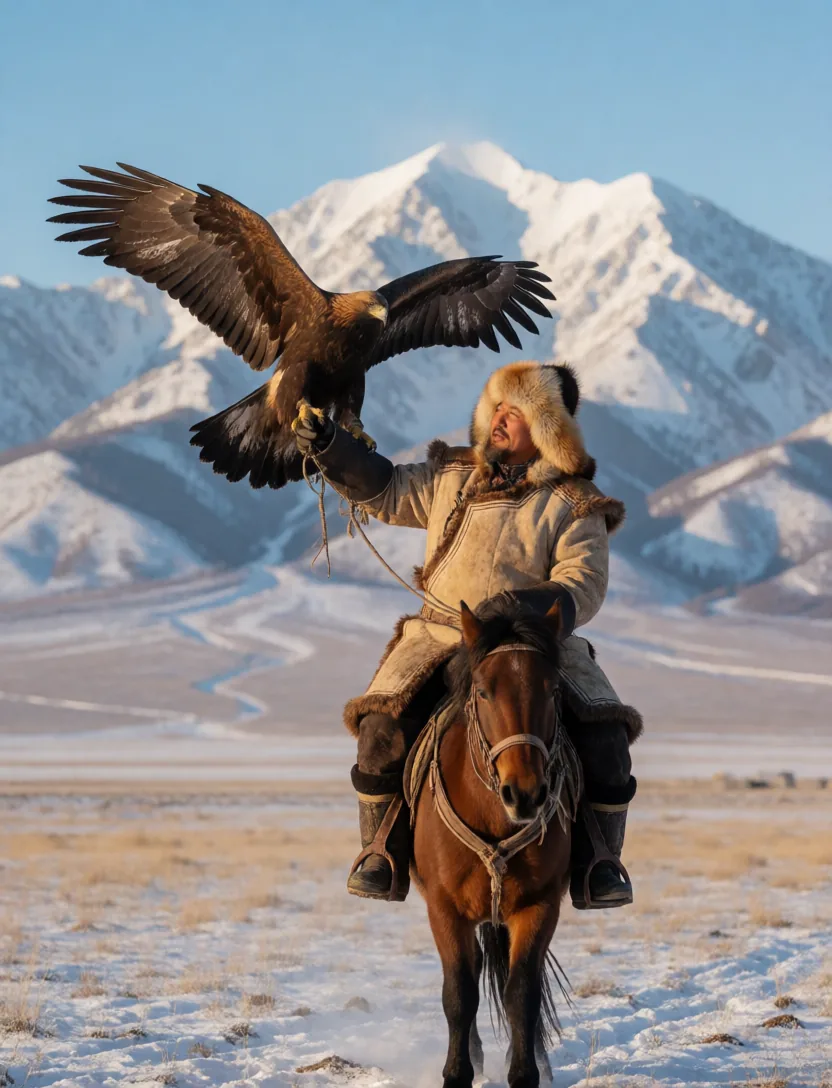
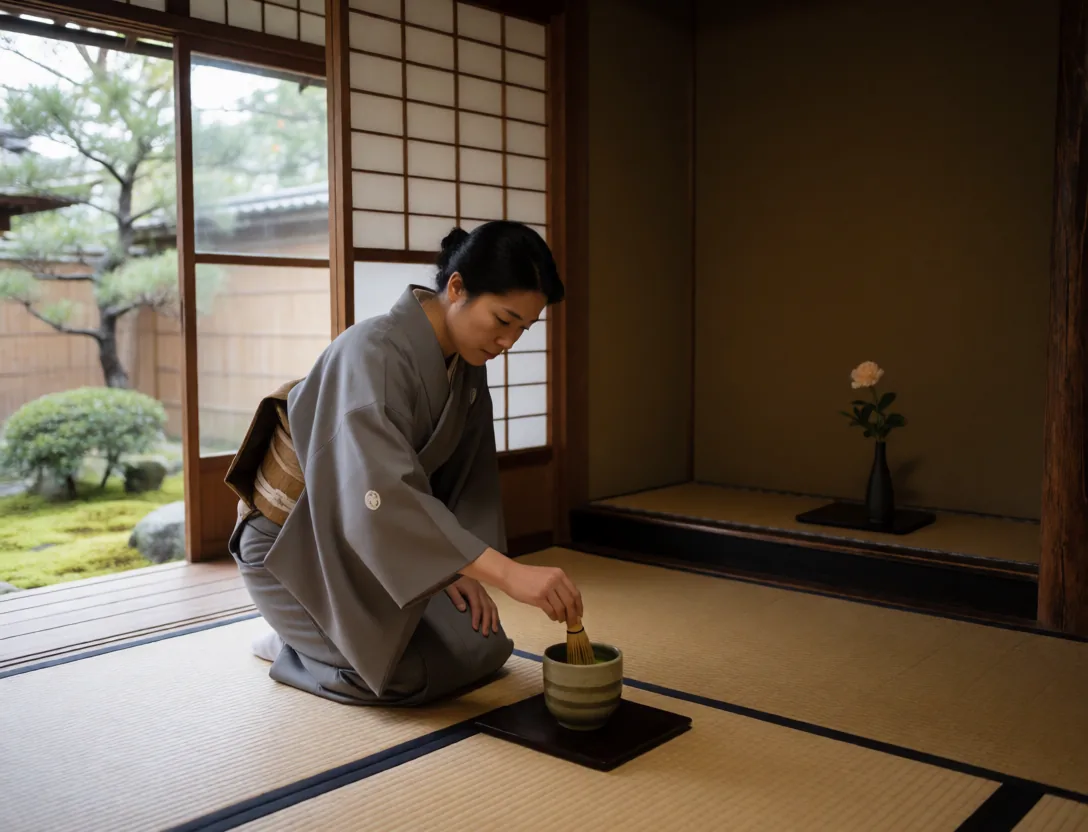
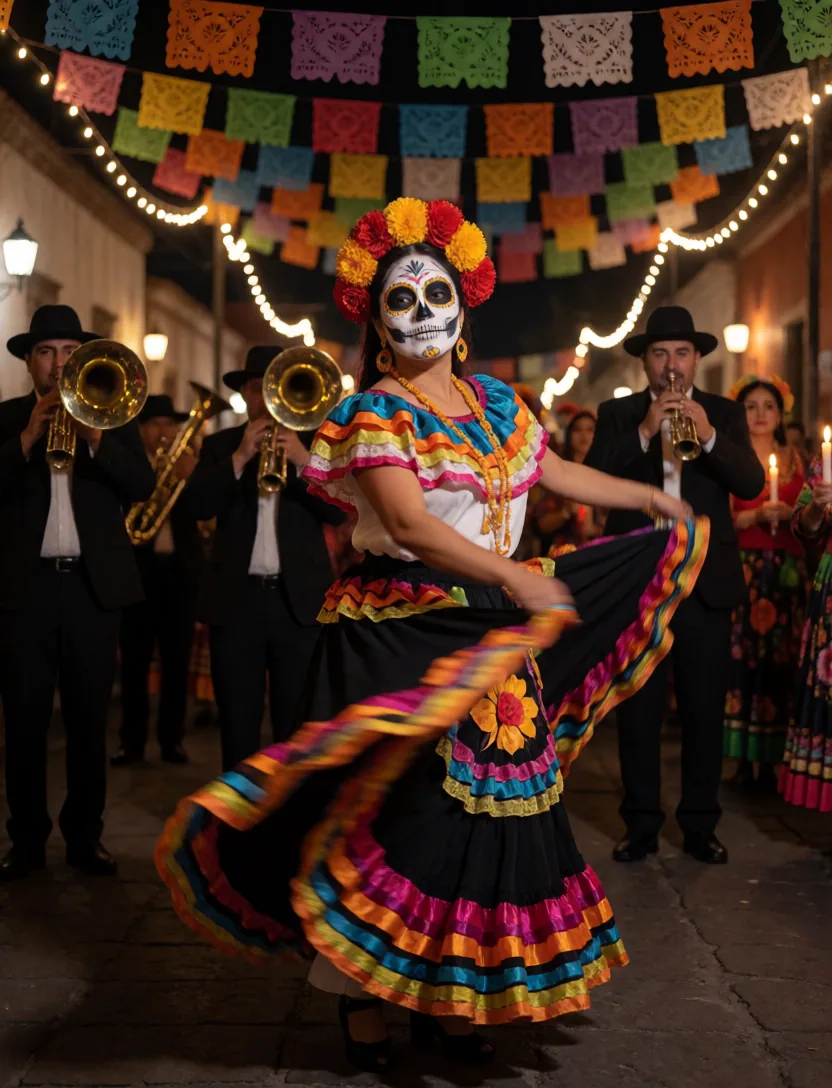
Hover an image to see what it was made from. Every one is a straight render from the app.


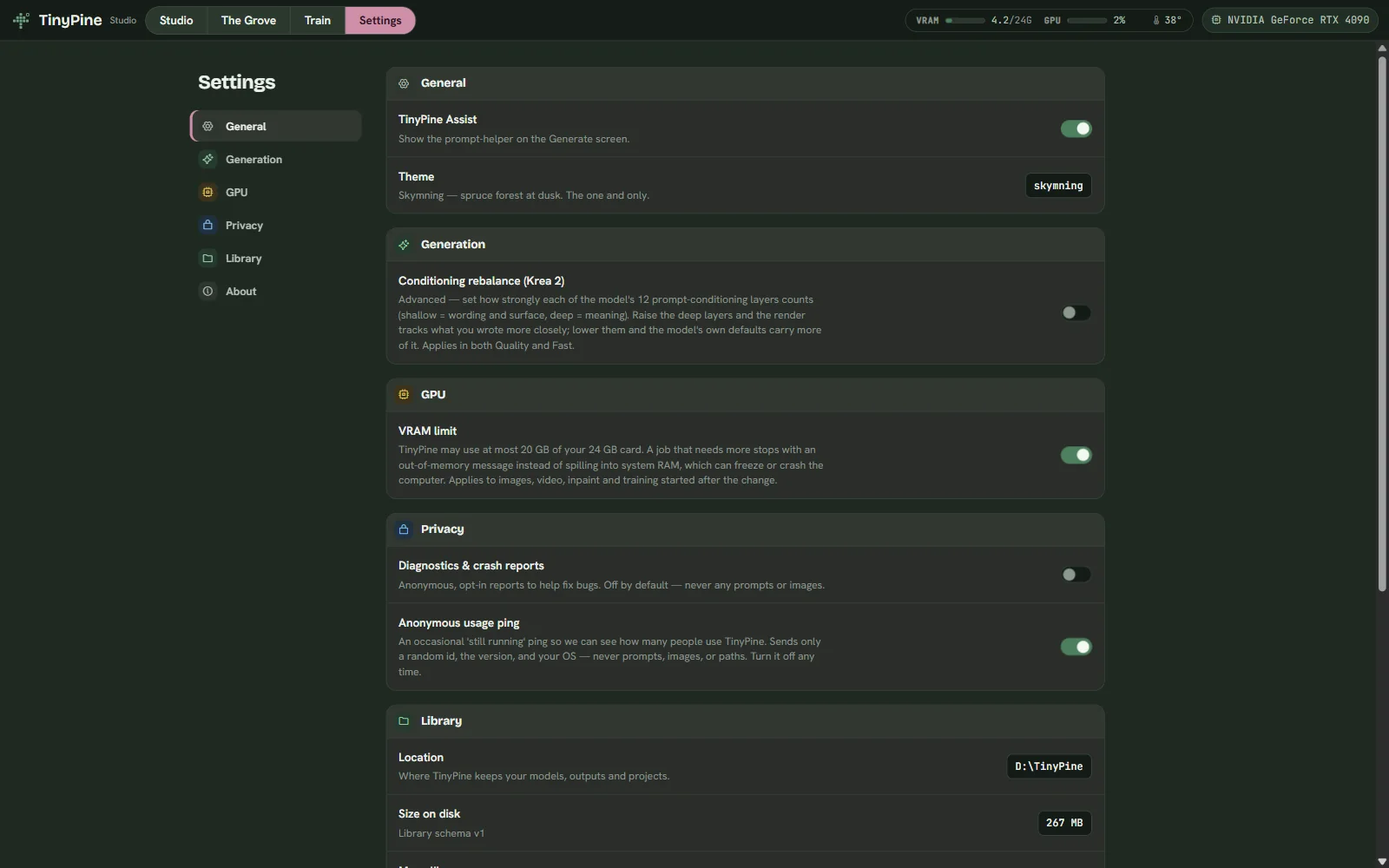
Prompts, images, video, LoRAs and your library never leave your computer. The app sends a version check, a notice check and an anonymous usage ping you can switch off. Everything it sends
The Grove catalog is signed with Ed25519 and checked before a model installs. Files are hash-checked as they download.
Prompts for sexual content involving minors, or intimate images of real people without consent, are refused. Adult art is not. The policy
TinyPine is in active development, so expect frequent updates and a few rough edges. The app tells you when a new version is out. It is free, and version 1 stays free.